

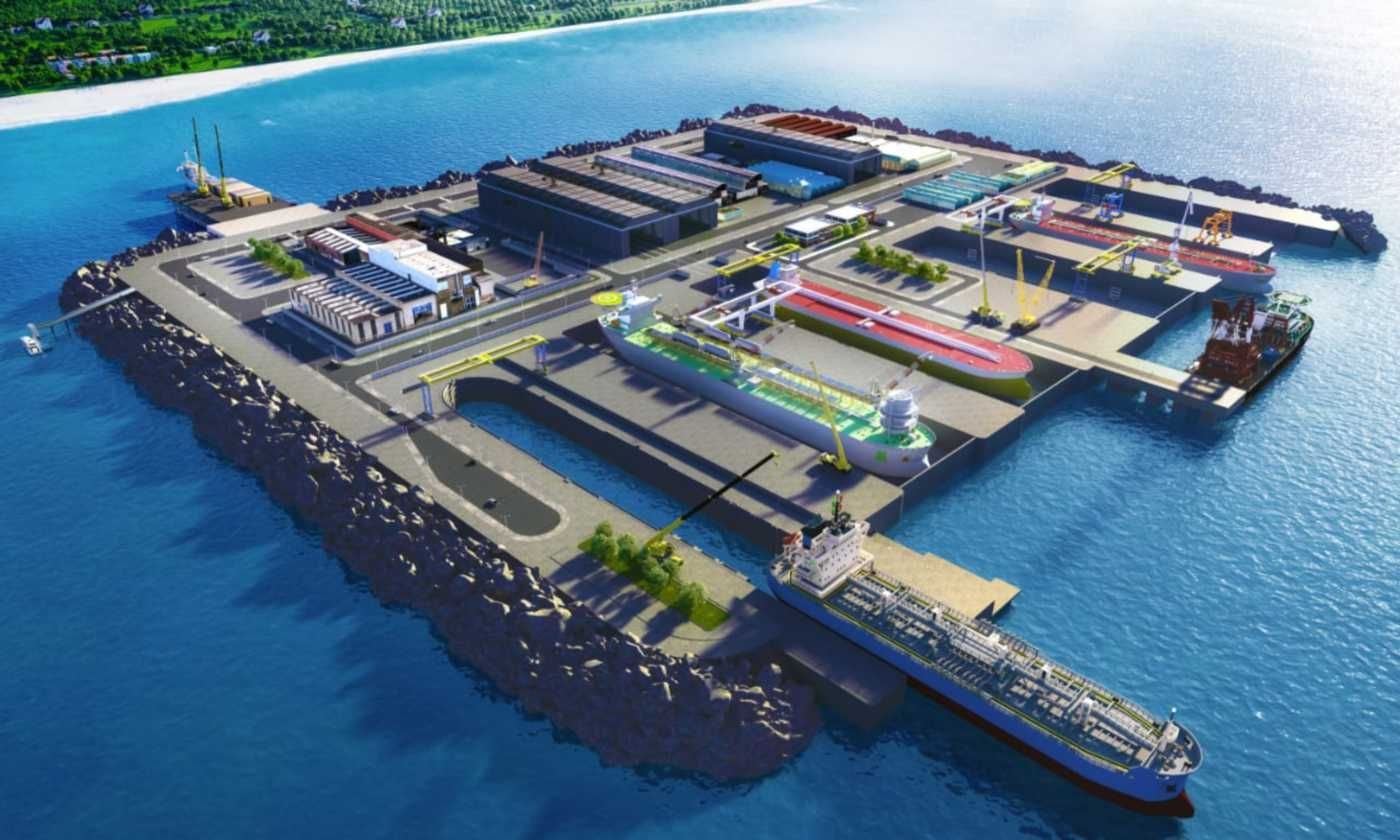
Let’s face it—the maritime industry never stands still. What dominates today can quickly become yesterday’s news. And right now, Malaysia is making headlines with the launch of Maharani Freeport in Johor, a bold move aimed at challenging Singapore’s long-standing dominance in oil trading and maritime logistics.
Background Context
For decades, Singapore has been the undisputed hub of oil trading in Southeast Asia, thanks to its strategic location, robust regulatory framework, and world-class port infrastructure. But competition drives innovation, and Malaysia’s new freeport is a direct response to this dominance.
Located along the Strait of Malacca, one of the world’s busiest shipping lanes, Maharani Freeport aims to position Malaysia as a key player in energy logistics and maritime services. This isn’t just another port—it’s a duty-free energy hub with tax incentives and advanced infrastructure designed to attract global oil traders.
Key Features of Maharani Freeport
- Strategic Location:
Situated on the Strait of Malacca, which handles nearly 25% of global seaborne oil trade and over 100,000 vessels annually. - Scale & Infrastructure:
- Spans 3,200 acres across reclaimed islands and mainland plots.
- Natural depth of 24 metres, enabling berthing of VLCCs (Very Large Crude Carriers).
- Core Activities:
Oil trading, storage, transshipment, blending, bunkering, and ship-to-ship (STS) transfers. Future plans include petrochemical plants, LNG floating terminals, and energy data centres. - Tax Incentives:
- Zero corporate tax for registered investors.
- Oil-related firms may qualify for 3% corporate tax, among the lowest in Asia.
- Import-duty exemptions and unrestricted capital repatriation.
- Economic Impact:
Expected to attract RM144 billion in investments and create 45,000 jobs, boosting Malaysia’s maritime economy.
Why It’s a Game Changer
1. Competitive Positioning
Maharani Freeport offers an alternative anchorage point to Singapore, challenging its dominance in oil trading. Lower costs, streamlined operations, and tax benefits make Malaysia an attractive option for global traders.
2. Advanced Technology Integration
The freeport plans to leverage AI and blockchain platforms for trading, alongside automation in cargo handling and digital logistics systems.
3. Sustainability Focus
Green technologies and renewable energy systems will be integrated to meet IMO’s tightening emissions standards, ensuring compliance and future-proofing operations.
Industry Impact
- Regional Competition:
Singapore faces increased pressure to innovate and maintain its market share. - Global Oil Trading Dynamics:
Enhanced capacity for oil storage and transshipment could reshape supply chains across Asia-Pacific. - Technological Advancements:
Expect rapid adoption of blockchain for logistics, automation in port operations, and renewable fuel complexes.
Future Outlook
The launch of Maharani Freeport signals a shift in regional power dynamics. As IMO regulations tighten and sustainability becomes a priority, Malaysia’s strategy could set a precedent for other nations. For maritime professionals, this means:
- Stay informed: Monitor regulatory changes and competitive pricing trends.
- Adapt to technology: Embrace digital platforms and automation for operational efficiency.
- Explore partnerships: Opportunities for collaboration in energy logistics and green shipping will expand.
