

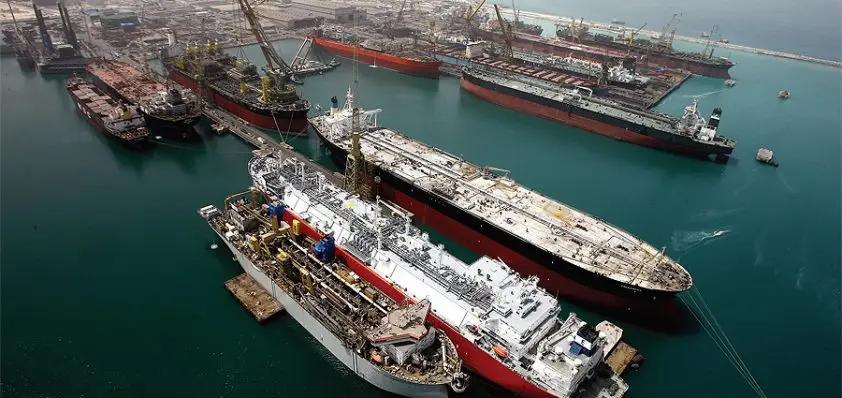
Shipyards in the Middle East are rapidly changing, combining tradition with modern technology. Located at key global trade routes, these shipyards are vital for local economies and significantly impact the global maritime industry. By adopting automation and promoting sustainability, the region is establishing a new benchmark in shipbuilding and repair. Let’s examine the innovations, challenges, and opportunities shaping these maritime centers’ future.
Key Takeaways: Shipyards in the Middle East are embracing automation and digital tech, boosting efficiency and safety.
- The Middle East embraces automation and digital tech in shipyards, boosting efficiency and safety.
- Sustainability is a big focus, with shipyards adopting eco-friendly materials and reducing emissions.
- Major players like Dubai Drydocks World and ASRY are leading the way in innovation and service.
- Economic importance is evident—these shipyards support global trade and local economies alike.
- Future growth lies in niche markets, renewable energy projects, and international partnerships.
Industry Size & Growth
- The Middle East shipbuilding industry is projected to reach $40 billion in value over the next decade, driven by defense spending, energy exports, and luxury yacht demand. [assafinaonline.com]
- Market production volume in the Middle East & Africa grew at a CAGR of 2.3% (2018–2023), reaching 4,500 gross tons in 2023. [globaldata.com]
- Ship repair and maintenance services in the region are forecasted to grow at 3.7% CAGR until 2032, fueled by aging fleets and offshore wind projects.
- GCC shipbuilding push could create 50,000–70,000 jobs across the region.
- The region handles 3.4% of global trade in goods, ranking 6th worldwide in trade volume, which drives demand for tankers and offshore support vessels.
Major Shipyards
Some of the major shipyards in the Middle East include:
- Dubai Drydocks World (United Arab Emirates): Known for its extensive facilities and capabilities, Dubai Drydocks World is one of the largest shipyards in the Middle East, offering a wide range of services for the construction, repair, and maintenance of various types of vessels.
- ASRY (Arab Shipbuilding & Repair Yard) (Bahrain): ASRY is a prominent shipyard in the region, specializing in ship repair, maintenance, and conversion services for commercial and naval vessels.
- Abu Dhabi Ship Building (United Arab Emirates): This key facility in the UAE focuses on the construction and maintenance of naval ships and provides services for other maritime vessels.
- Oman Drydock Company (Oman): Located in Duqm, Oman Drydock Company is a major shipyard in the Middle East that offers comprehensive ship repair and maintenance services for various vessels.
- Qatar Petroleum Shipyard (Qatar): Operated by Qatar Petroleum, this shipyard in Qatar plays a significant role in construction and repair services for vessels involved in the oil and gas industry.
- Zamil Offshore Services (Saudi Arabia): Zamil Offshore Services operates a significant shipyard in Saudi Arabia, specializing in constructing and maintaining offshore support vessels.
- Al Salman Ship Building & Repair Factory (Saudi Arabia): Based in Saudi Arabia, Al Salman Ship Building & Repair Factory is a well-established shipyard known for its ship construction and repair services.
International Maritime Industries: Saudi Arabia’s Maritime Powerhouse
Saudi Arabia is rapidly transforming its maritime sector, and at the heart of this transformation lies International Maritime Industries (IMI)—the largest integrated shipyard in the Middle East and North Africa. Located in Ras Al-Khair, IMI is a cornerstone of the King Salman International Complex for Maritime Industries and Services, a strategic initiative under Vision 2030 aimed at diversifying the economy and reducing reliance on imports.
A Mega Shipyard with Global Ambitions
Spanning an impressive 12 million square meters, IMI is designed to handle the full spectrum of maritime needs—from shipbuilding and repair to offshore rig fabrication and maintenance. The facility boasts the largest drydock in the region, measuring 550 meters in length and 75 meters in width, capable of accommodating ultra-large crude carriers (VLCCs) and massive offshore platforms.
IMI’s annual production capacity is equally remarkable:
- 4 offshore rigs
- 40+ vessels, including VLCCs and bulk carriers
- Maintenance and repair for 260 maritime products
This scale positions IMI as a global player, not just a regional hub.
Strategic Partnerships and Technology
IMI is a joint venture between Saudi Aramco (40%), Bahri (20%), Hyundai Heavy Industries (20%), and Lamprell (20%). These partnerships bring world-class expertise and advanced technology to Saudi Arabia, ensuring IMI operates at international standards. The shipyard integrates AI, IoT, and automation into its processes, alongside sustainability initiatives such as green yard concepts and emission reduction strategies.
Orders Secured: A Strong Start
IMI has already secured $10 billion in guaranteed offtake agreements over the next decade with Aramco and Bahri. These agreements include the construction of 20 offshore rigs and 52 vessels, ensuring a steady pipeline of projects.
Recent milestones include:
- Bahri ordered six Ultramax bulk carriers in 2025, valued at $203 million, with deliveries scheduled for 2028–2029.
- A VLCC program, with the first vessel expected in 2025, marks a historic step as Saudi Arabia begins producing large-scale ocean-going ships domestically.
Additionally, IMI signed 10 agreements worth $350 million to enhance operations and workforce training under the IKTVA localization program.

Bahri orders in IMI
Economic Impact and Vision
IMI is projected to contribute $17 billion to Saudi GDP, create 80,000 jobs, and replace $12 billion of imports. This aligns perfectly with Vision 2030’s goals of industrial diversification and self-sufficiency. By localizing shipbuilding and repair, Saudi Arabia strengthens its maritime security and positions itself as a global logistics and energy hub.
In short, IMI is not just a shipyard—it’s a symbol of Saudi Arabia’s ambition to lead in maritime innovation and industrial capability. With cutting-edge technology, strategic partnerships, and a robust order book, IMI is set to redefine the shipbuilding landscape in the Middle East.
These major shipyards in the Middle East contribute to the region’s maritime industry by offering a range of services to support commercial, naval, and offshore activities.
Technological Advancements Shaping Shipyards in the Middle East
Automation and Robotics in Shipbuilding
Automation and robotics are revolutionizing shipyard operations in the Middle East. Robots are increasingly taking on tasks that require precision, such as welding and material handling, which not only speeds up production but also reduces human error. Some shipyards are even experimenting with robotic arms for assembling complex ship components. Integrating robotics transforms shipbuilding into a faster, safer, and more cost-efficient process.
Key benefits of automation and robotics include:
- Improved safety by reducing human involvement in hazardous tasks.
- Consistent quality in manufacturing processes.
- Faster production timelines, which help meet growing industry demands.
Digital Systems for Enhanced Efficiency
The adoption of digital systems is another game-changer. Middle Eastern shipyards are implementing smart technologies like IoT sensors and digital twins to monitor and optimize operations. For example, digital twins allow shipbuilders to create a virtual replica of a vessel, enabling them to test designs and identify potential issues before physical construction begins. This approach saves time and reduces costs.
Some examples of digital advancements include:
- Real-time tracking of construction progress.
- Predictive maintenance using data analytics.
- Streamlined communication between teams through advanced software.
By embracing digital systems, shipyards are not just improving operational efficiency but also setting a standard for future maritime projects.
Innovations in Vessel Design
Shipyards in the region are focusing on designing functional and environmentally friendly vessels. With global shipping regulations tightening, there’s a push for ships that consume less fuel and produce fewer emissions. Innovations include hull designs that minimize drag and the use of lightweight materials to enhance fuel efficiency.
Emerging trends in vessel design:
- Hybrid propulsion systems combining traditional engines with electric power.
- Modular ship designs for easier customization.
- Enhanced safety features for crew and cargo.
These advancements are positioning Middle Eastern shipyards as leaders in the global maritime industry, with a commitment to innovation and sustainability.
Sustainability Initiatives in Middle Eastern Shipyards

Eco-Friendly Materials and Practices
Middle Eastern shipyards are increasingly turning to eco-friendly materials in their operations. For instance, many are experimenting with alternatives to traditional steel with reduced environmental impact. Using sustainable materials in shipbuilding is becoming a key focus area, as it aligns with global environmental goals. Some shipyards are even adopting biodegradable lubricants and paints to further reduce harm to the marine ecosystem.
Reducing Emissions in Maritime Operations
To cut down on emissions, shipyards in the region are making significant strides. A notable example is Grandweld Shipyards, which is aiming to run entirely on solar energy by next year. Other facilities are investing in hybrid and electric propulsion systems for vessels, which drastically lower carbon footprints. Additionally, energy-efficient machinery is being installed to ensure that the shipbuilding process itself is less polluting.
Waste Minimization Strategies
Waste management is another area where shipyards are stepping up. Many facilities are implementing recycling programs to deal with scrap metal, leftover materials, and even wastewater. Some shipyards have introduced closed-loop systems to reuse water during construction and cleaning processes. This not only minimizes waste but also cuts down on operational costs over time.
Sustainability isn’t just a buzzword in the maritime industry—it’s a necessity. Middle Eastern shipyards are proving that eco-conscious practices can coexist with large-scale industrial operations, setting a benchmark for others to follow.
Economic and Strategic Importance of Middle Eastern Shipyards
Role in Global Trade and Shipping Routes
The Middle East is home to some of the world’s busiest shipping lanes, like the Strait of Hormuz and the Suez Canal. Shipyards in this region play a key role in maintaining and constructing vessels that keep global trade moving. Their strategic locations make them indispensable for handling everything from massive cargo ships to oil tankers. This isn’t just about convenience—it’s about efficiency, cutting down transit times for goods flowing between Asia, Europe, and Africa.
Support for Oil and Gas Exploration
Energy is king in the Middle East, and shipyards here are deeply tied to the oil and gas sectors. They build and maintain specialized vessels like offshore rigs, supply ships, and tankers. Without these facilities, the region’s energy exports would grind to a halt. Plus, these shipyards are constantly upgrading their capabilities to meet the demands of modern energy exploration, which is becoming more complex and competitive.
Contributions to National Economies
Shipyards don’t just build ships—they build economies. They create jobs, attract foreign investment, and drive innovation in related industries like manufacturing and logistics. For example, Folk Maritime is enhancing its services to connect regional ports, aligning with Saudi Arabia’s Vision 2030. This kind of development isn’t just good for business; it’s a cornerstone for national growth. In countries like the UAE and Qatar, shipyards are a major source of revenue and a symbol of industrial progress.
Major Shipyards Driving the Maritime Industry in the Middle East

Dubai Drydocks World: A Regional Leader
Dubai Drydocks World, based in the United Arab Emirates, is one of the largest and most advanced shipyards in the Middle East. This facility is equipped to handle everything from shipbuilding and repairs to conversions and upgrades. It serves a wide range of vessels, including cargo ships, oil tankers, and luxury yachts. Its strategic location along major global shipping routes makes it a vital hub for maritime services. Dubai Drydocks World is also a key participant in events like MTB Shipyards, fostering innovation and collaboration in the maritime industry.
ASRY: Pioneering Ship Repair in Bahrain
The Arab Shipbuilding & Repair Yard (ASRY), located in Bahrain, has carved out a reputation for excellence in ship repair and maintenance. It specializes in servicing both commercial and naval vessels, offering solutions tailored to the unique needs of its clients. ASRY has continually upgraded its facilities to stay competitive, integrating modern technologies to improve efficiency and safety.
Oman Drydock Company: A Hub for Vessel Maintenance
Situated in Duqm, Oman Drydock Company is a standout facility in the region. It focuses on comprehensive ship repair and maintenance services, catering to a variety of vessels. The shipyard is well-known for its commitment to quality and timely delivery, making it a preferred choice for maritime operators in the region. Its location near key shipping routes adds to its strategic importance.
Future Opportunities for Shipyards in the Middle East
Specialization in Niche Markets
Shipyards in the Middle East can carve out their own space by focusing on specialized markets. For instance, building vessels tailored for specific industries, like offshore wind farms or luxury yachts, could set them apart. This shift toward niche markets allows shipyards to cater to unique demands, ensuring steady business even in a competitive global market. Some shipyards are already exploring this by designing vessels for customized maritime operations like underwater exploration or high-speed ferries.
Diversification into Renewable Energy Projects
With renewable energy gaining ground, Middle Eastern shipyards can tap into this trend by constructing vessels needed for offshore wind farms or solar energy projects. For example, vessels used to transport and install wind turbines are in increasing demand. This diversification not only broadens their portfolio but also aligns with global sustainability goals. A focus on eco-conscious projects could also attract international collaborations and funding.
Regional and International Collaborations
Teaming up with other shipyards or maritime companies—both within the Middle East and globally—could open up new opportunities. Shared expertise, joint ventures, and resource pooling can lead to more efficient operations and advanced technological integration. Collaborations could also help shipyards secure larger contracts, like manufacturing advanced warships such as the Reshef warships currently being developed for the Israeli Navy. Such partnerships make it easier to tackle big projects while spreading risks and costs.
The future of Middle Eastern shipyards looks promising, especially if they embrace innovation and collaboration. By focusing on specialized markets, renewable energy, and partnerships, these shipyards can secure a strong foothold in the evolving maritime industry.
Workforce Development and Training in Middle Eastern Shipyards
Adapting to Modern Shipbuilding Techniques
Shipbuilding isn’t what it used to be. With advanced tech like automation and digital systems taking over, the workforce in Middle Eastern shipyards has to catch up. Workers now need to understand more than just the basics—they need to know how to operate and troubleshoot these new systems. Training programs are popping up to help employees learn skills like robotics programming or managing software-driven processes. Without these, the industry risks falling behind.
Fostering Skilled Labor for Technological Integration
Skilled labor is the backbone of any shipyard. But as ships get more complex, so do the skills required to build and maintain them. Middle Eastern shipyards are investing in hands-on training initiatives, giving workers real-world experience with cutting-edge tools. For example, an initiative provides students with hands-on training opportunities, allowing them to experience a potential future work environment and develop essential skills. This approach not only boosts individual capabilities but also strengthens the industry as a whole.
Educational Partnerships and Apprenticeships
To keep the talent pipeline flowing, partnerships between shipyards and educational institutions are becoming more common. These collaborations aim to create apprenticeship programs where students can work directly in shipyards while studying. It’s a win-win: students gain practical experience, and shipyards get a workforce ready to hit the ground running. Apprenticeships often focus on niche areas like eco-friendly ship design or advanced welding techniques, ensuring the workforce is prepared for the future.
The future of shipyards in the Middle East is shaping up to be a mix of challenges and exciting possibilities. With advancements in technology, a push for greener practices, and a focus on collaboration, these shipyards are gearing up to meet the demands of a changing maritime industry. Countries in the region are investing heavily in modern facilities and training programs, ensuring they stay competitive on a global scale. While economic factors and shifting trade patterns will play a role, the commitment to innovation and sustainability is clear. The Middle East’s shipyards are not just about building and repairing vessels—they’re becoming hubs of progress and opportunity for the entire maritime sector.
Frequently Asked Questions
What technologies are shaping the future of shipyards in the Middle East?
Shipyards in the Middle East are using technologies like automation, robotics, and digital systems to make shipbuilding faster and safer. These advancements help improve efficiency and reduce costs.
How are Middle Eastern shipyards promoting sustainability?
Many shipyards are adopting eco-friendly materials, working to cut down emissions, and finding ways to reduce waste during shipbuilding and repair.
Why are Middle Eastern shipyards important to the global economy?
These shipyards are located near major shipping routes and support industries like oil, gas, and trade. They play a big role in keeping global shipping and trade running smoothly.
What are some leading shipyards in the Middle East?
Top shipyards include Dubai Drydocks World in the UAE, ASRY in Bahrain, and Oman Drydock Company. These facilities are known for their expertise in shipbuilding and repair.
What opportunities lie ahead for Middle Eastern shipyards?
The future holds chances to focus on niche markets, explore renewable energy projects, and build partnerships with other regions and companies.
How are shipyards preparing workers for new technologies?
Shipyards are offering training programs, creating partnerships with schools, and launching apprenticeships to help workers learn modern shipbuilding techniques and use advanced tools.
