

Quick Summary
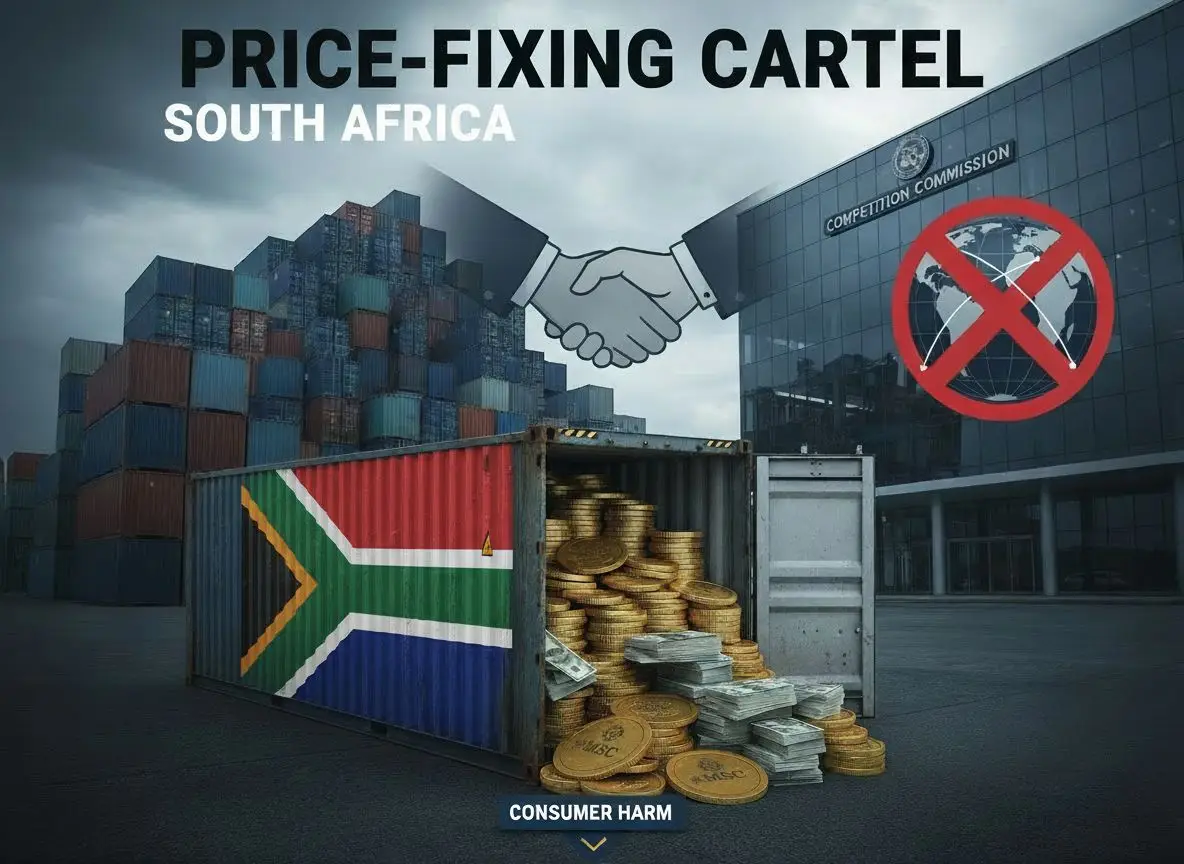
- South Africa’s Competition Commission has initiated proceedings against eight major container lines for alleged price-fixing.
- The case involves historic collusion claims over General Rate Increases (GRIs) on routes between Asia and southern and western Africa.
- Prominent shipping companies, including Mediterranean Shipping Co and Maersk, are implicated.
- This case could reshape the competitive landscape in global maritime logistics.
Price Fixing
Price-fixing in the maritime industry has been a contentious issue, with significant implications for global trade. As international trade routes become more interconnected, ensuring fair competition has become paramount. The recent move by South Africa’s Competition Commission to prosecute major container lines highlights ongoing vigilance against antitrust practices. This case, which involves substantial players in the shipping industry like Mediterranean Shipping Co and Maersk, underscores the importance of regulatory oversight in maintaining market integrity.
Background of the Case
- Accused companies: Maersk, MSC, CMA CGM, Pacific International Lines, Mitsui OSK Lines (MOL), Evergreen, COSCO, and K Line.
- Period under investigation: 2008–2018.
- Allegation: Collusion to fix General Rate Increases (GRIs) on shipping routes between South Africa–Asia and South Africa–West Africa.
- Impact: Identical tariffs were allegedly applied, inflating freight costs for importers and exporters.
Key Developments
The complaint, referred to as part of South Africa’s ongoing efforts to curb anti-competitive practices, alleges that eight container lines colluded over GRIs, affecting trade routes between Asia and the southern and western regions of Africa. This alleged collusion reportedly involved setting prices in a manner that restricted competition, impacting the cost-effectiveness of maritime trade across these key regions. The proceedings, taking place at South Africa’s Competition Tribunal, aim to address these claims and enforce compliance with fair trade laws.
Global Impact Assessment
While this case focuses on Africa, its implications are far-reaching. The accused companies operate globally, meaning any regulatory changes or penalties could influence international shipping practices. In particular, markets in Asian maritime trade and European ports may experience ripple effects, as these regions are integral to the implicated trade routes. Furthermore, this case could prompt similar investigations in other jurisdictions, leading to a broader reevaluation of price-setting practices within the maritime sector.
Industry Implications
The outcomes of this legal battle could significantly impact shipping lines’ operational strategies and pricing models. Companies will likely need to enhance transparency in their pricing mechanisms to restore trust among international partners and regulatory bodies. The case also highlights the need for robust compliance systems to prevent future transgressions. As a result, shipping lines might invest more in monitoring and reporting mechanisms to align with global IMO guidelines and ensure adherence to competition laws.
Forward-Looking Analysis
Looking ahead, the maritime industry may see a shift towards more stringent regulatory frameworks. This change could encourage shipping companies to adopt more transparent and competitive pricing strategies, benefitting global trade. As regulatory bodies globally take cues from South Africa’s proactive stance, companies need to prepare for increased scrutiny and evolving compliance demands. Moreover, this case may catalyze industry-wide discussions on ethical business practices, leading to a more equitable maritime logistics environment
- Shipping companies should reassess their pricing strategies to ensure compliance with international competition standards.
- Investing in robust compliance and monitoring systems is crucial to prevent future legal challenges.
- Stakeholders should engage in continuous dialogue with regulatory bodies to better understand evolving compliance requirements.
- Building on this development, the maritime industry must prioritize ethical practices to foster sustainable growth and trust.
In conclusion, South Africa’s legal action against major container lines marks a pivotal moment in the maritime industry. By addressing these historic price-fixing claims, the case underscores the necessity for fair competition and transparent practices, setting a precedent for future regulatory measures. As the industry navigates these changes, adaptability and adherence to ethical standards will be key to maintaining a competitive edge in the global shipping market.
