

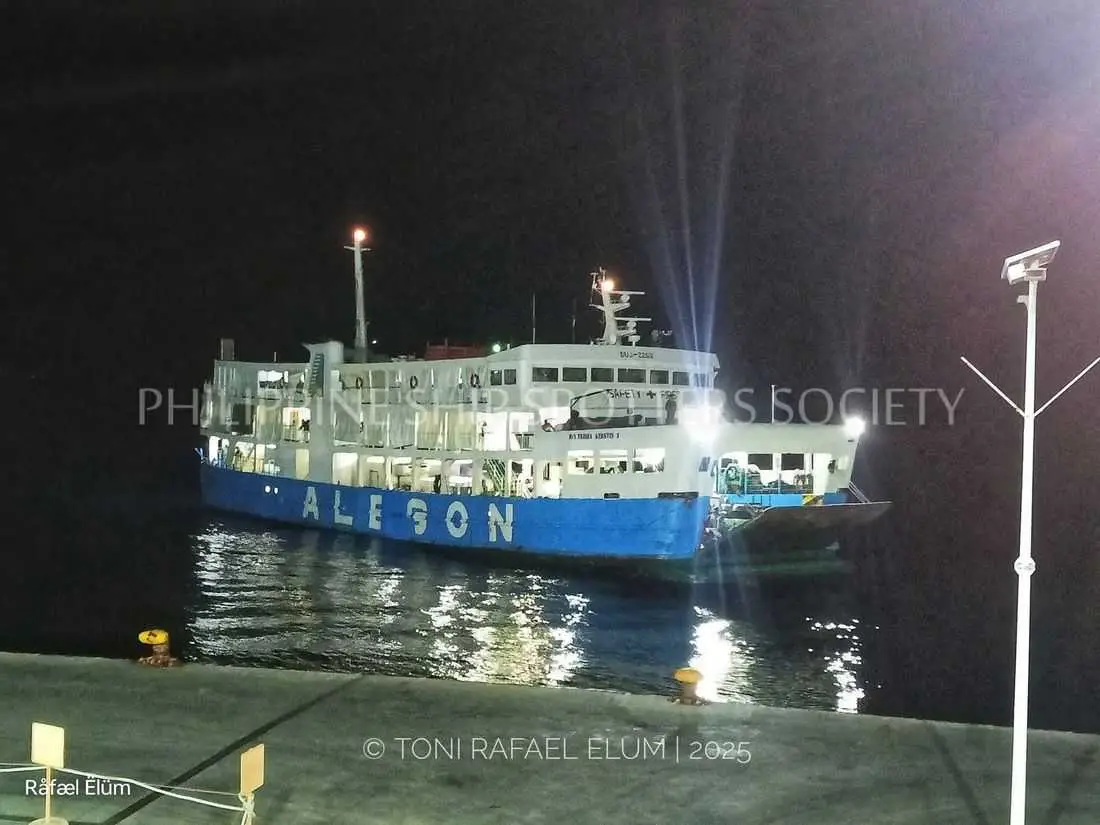

A Night of Chaos at Sea
The ferry departed from the port city of Zamboanga late Sunday night, bound for Jolo Island in Sulu province. According to the Philippine Coast Guard, the vessel issued a distress signal around 1:50 a.m., roughly four hours into its journey. Choppy waters and strong winds created dangerous conditions that ultimately overwhelmed the ship.

Survivor accounts and video footage released by local officials show barefoot passengers wrapped in blankets, many in shock, as rescuers worked urgently to pull people from the water. Emergency responders transported the injured to nearby hospitals while recovery teams retrieved bodies from the site.
The Scale of the Disaster
The ferry sinking involved more than 350 passengers and crew, making it one of the most serious maritime incidents in the Philippines in recent years. Officials report that over 300 people have been rescued so far, though the exact number fluctuates as authorities reconcile the ship’s manifest with actual boardings.
The tragedy occurred along a route already known for past maritime accidents. In 2023, another vessel—also owned by Aleson Shipping Lines—caught fire in the same region, resulting in 31 deaths. This history has intensified scrutiny on safety protocols and vessel maintenance standards.
Search-and-Rescue Efforts Continue
As of the latest updates, 28 individuals remain unaccounted for, prompting an expanded search effort involving the Philippine Coast Guard, local fishermen, and volunteer groups. Rescue teams are combing the surrounding waters, hoping to locate survivors despite diminishing odds.
Authorities have emphasized that operations will continue around the clock. Weather conditions remain a challenge, but responders are determined to recover as many people as possible.
Investigations Underway
Government officials have launched a full investigation into the ferry sinking, focusing on several key questions:
- Was the vessel overloaded?
Early reports suggest discrepancies between the manifest and actual passenger count.
- Were weather advisories followed?
The region experienced rough seas at the time of departure.
- Did mechanical issues contribute to the sinking?
The vessel’s age and maintenance history are under review.
The Philippine Coast Guard has stated that findings will be made public once the investigation concludes.
A Broader Maritime Safety Challenge
The Philippines, an archipelago of more than 7,000 islands, relies heavily on inter-island ferries for transportation. Unfortunately, maritime accidents are not uncommon due to aging fleets, unpredictable weather, and occasional lapses in safety enforcement.
This latest ferry sinking underscores the urgent need for:
- Stricter vessel inspections
- Improved crew training
- Better passenger monitoring systems
- Enhanced weather-related decision-making
Advocates argue that without systemic reforms, similar tragedies will continue to occur.
A Nation in Mourning
Families of the victims have gathered in Basilan and Zamboanga, awaiting news of their loved ones. Local officials have offered support services, while national leaders have expressed condolences and pledged accountability.
The sinking of the MV Trisha Kerstin 3 is a heartbreaking reminder of the risks faced by thousands of Filipinos who depend on maritime travel. As rescue efforts continue, the nation watches closely, hoping for answers—and for change.
