

Summary:
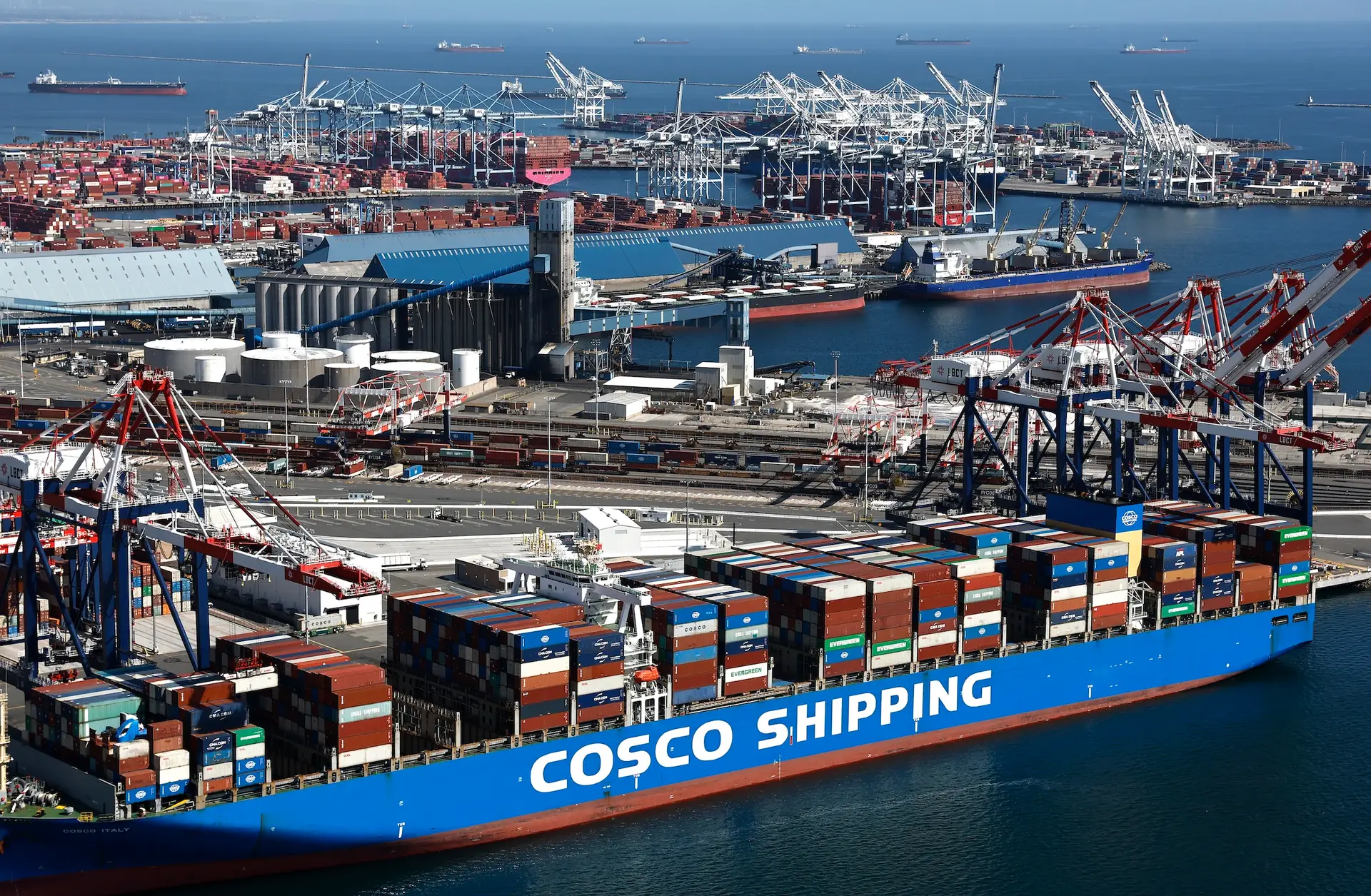
The U.S. government is set to implement sweeping new port fees targeting Chinese-built and Chinese-operated vessels starting October 14, 2025. Industry giants COSCO and OOCL—both part of the Ocean Alliance—are bracing for a potential $2.1 billion financial hit, according to HSBC estimates. This move is part of a broader geopolitical strategy to curb China’s dominance in global shipbuilding and bolster U.S. maritime infrastructure.
⚖️ What Are the New U.S. Port Fees?
The U.S. Trade Representative (USTR) has finalized a tiered fee structure that applies to:
- Chinese-owned or operated ships: $50 per net ton, rising to $140 per ton by April 2028.
- Non-Chinese operators of Chinese-built ships: Charged the higher of $18–$33 per net ton, or $120–$250 per container.
These fees are assessed per voyage, capped at five chargeable port calls per year, and apply only at the first U.S. port of entry.
📉 Impact on COSCO and OOCL
OOCL, a subsidiary of COSCO, has acknowledged the looming fees will have a “relatively large impact” on its operations. The company has already begun rerouting some transpacific services to Mexico to avoid U.S. ports altogether.
Despite the challenges, OOCL reported a 15% rise in profits in H1 2025, suggesting that regional trade shifts and supply chain restructuring may offer new strategic opportunities.
🧭 Strategic and Economic Implications
- Geopolitical Tensions: The fees are part of a broader U.S. strategy to reduce reliance on Chinese maritime infrastructure.
- Supply Chain Disruption: Analysts warn of rising freight rates, inflationary pressures, and reduced export competitiveness.
- Enforcement: The U.S. Customs and Border Protection (CBP) will enforce the fees. Non-payment could result in denial of port access and cargo offloading bans.
🛠️ Industry Response
While U.S. shipbuilding unions support the move, shipping associations and exporters have raised alarms. The World Shipping Council and automotive industry leaders argue the policy could:
- Increase consumer prices
- Shrink trade volumes at smaller U.S. ports
- Undermine global shipping efficiency
🔍 What’s Next?
With the October 14 deadline approaching, COSCO, OOCL, and other affected carriers are expected to:
- Reassess trade routes
- Invest in alternative port infrastructure
- Explore regional diversification strategies
📢 Final Thoughts
The U.S. port fee policy marks a turning point in global maritime trade. As COSCO and OOCL adapt to this new reality, the ripple effects will be felt across supply chains, freight markets, and international trade relations.
