

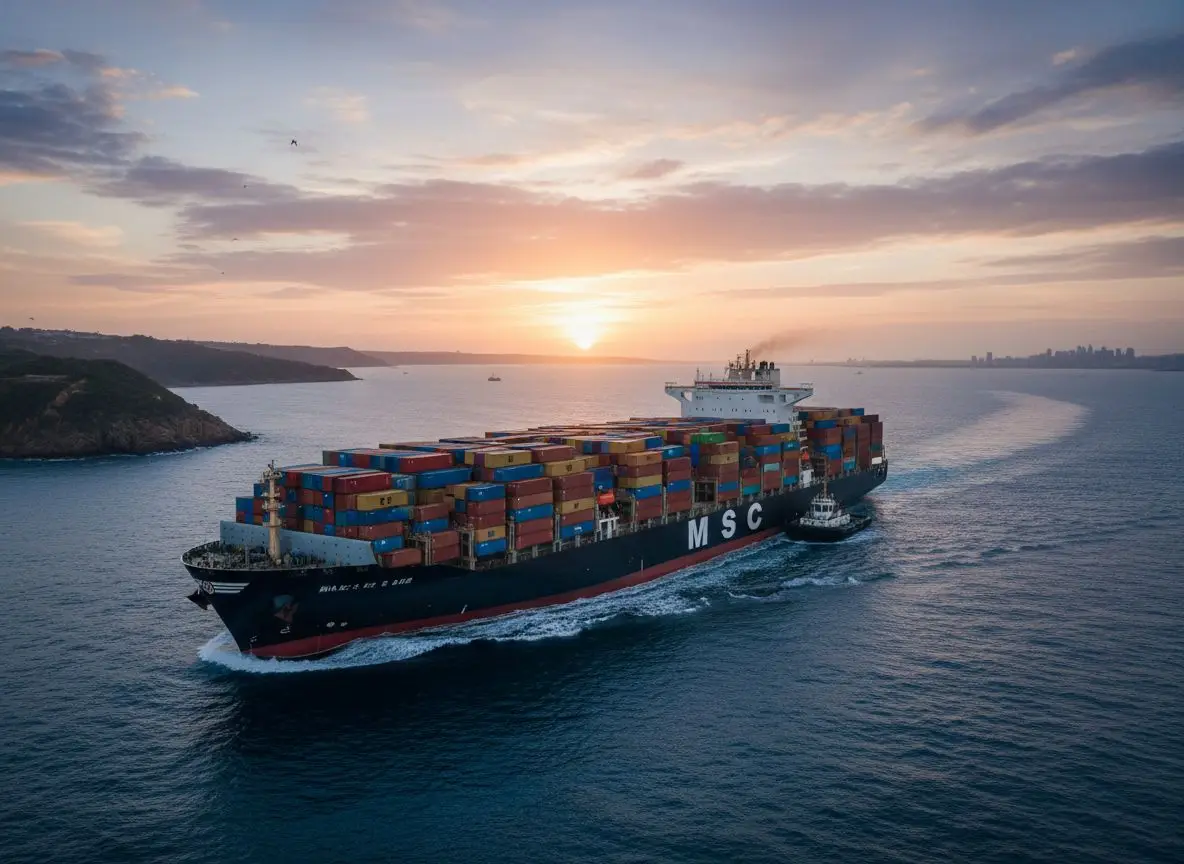
Mediterranean Shipping Company (MSC), the global leader in container shipping, has confirmed its entry into the energy sector with a 50% stake in Sinokor Maritime, as verified by regulatory filings in Cyprus and Greece. This move clarifies recent industry speculation about the financial support behind a significant Very Large Crude Carrier (VLCC) acquisition campaign. By partnering with South Korea’s Sinokor Merchant Marine Group, MSC is diversifying its portfolio and positioning itself to capture a substantial share of the global oil transport market amid heightened geopolitical uncertainty.
The Strategic Foundation of the MSC Acquisition of Sinokor
The joint venture is formed between MSC’s Luxembourg-based subsidiary, SAS Shipping Agencies Services (SAS Lux), and Ga-Hyun Chung, son of Sinokor Chairman Chung Tae-soon. This equal partnership leverages MSC’s capital and global logistics network alongside Sinokor’s expertise in tanker operations. The companies have a history of collaboration, with Sinokor having sold at least 11 vessels to MSC during its fleet expansion.
This marks MSC’s first direct entry into the crude oil sector, following its previous expansions into cruise lines (MSC Cruises), air freight, and car carriers (Gram Car Carriers).
The acquisition comes as VLCC asset values have risen by nearly 30% since early 2026, driven by supply constraints and regional conflicts.
The most significant key feature of the MSC-Sinokor acquisition is the scale of the combined fleet. Sinokor has been the leading buyer of secondhand supertankers, and with MSC’s support, the joint venture is expected to manage around 150 supertankers. According to Bloomberg and Signal Ocean data, the entity could control up to 40% of the “spot-trading” VLCC fleet—vessels not tied to long-term contracts or engaged in sanctioned “shadow” trades.
Globally, the partnership is estimated to hold a 17% to 25% market share of all active VLCCs, representing an unprecedented level of concentration in the traditionally fragmented tanker industry.
The rise of a dominant player in the tanker sector has immediate effects on global energy security and shipping costs. With the continued closure of the Strait of Hormuz, demand for reliable, non-sanctioned vessels has reached record highs. VLCC spot rates have recently ranged from $100,000 to $600,000 per day, depending on the route. The consolidated fleet enables MSC and Sinokor to significantly influence these rates.
As oil supplies are stranded by blockades, the joint venture’s large fleet offers a secondary revenue stream through floating oil storage, with charterers paying premiums to keep crude at sea.
By integrating Sinokor’s tanker fleet with MSC’s global terminal operations, including a new 45-year concession in Nigeria, the group can deliver a more comprehensive end-to-end energy logistics solution.
Although the Greek and Cypriot Competition Commissions have published notifications of the deal, the MSC acquisition of Sinokor remains under significant scrutiny. The large market share has prompted reviews by monopoly regulators in several jurisdictions. Regulators in South Korea and other major shipping centers must approve the merger. Competitors have expressed concern that a group of this scale could alter the market’s supply and demand dynamics.
While the exact purchase price is undisclosed, the value of the assets has likely doubled since the initial investment agreement in February 2026, complicating final closing adjustments.
In addition to secondhand acquisitions, the partnership is associated with a substantial orderbook at Chinese shipyards such as Hengli Heavy Industry, supporting long-term fleet modernization and market presence.
The MSC acquisition of Sinokor signals a shift away from traditional, segmented shipping. By integrating containerized goods and bulk energy transport, MSC is creating a diversified maritime group prepared for economic challenges. In the VLCC market, this establishes a new super operator likely to influence freight rates and vessel supply for years. As the deal approaches completion, the global shipping industry must adapt to a landscape where one company manages both consumer goods and vital energy resources.
