

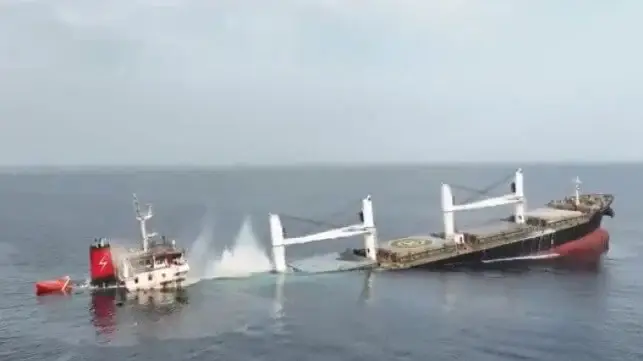
- Nine Filipino seafarers are set to be released after being held hostage by Houthi militants.
- The event underscores ongoing maritime security challenges in the Red Sea.
- Diplomatic efforts by the Philippine Department of Foreign Affairs and Omani authorities were pivotal.
- This incident highlights the importance of international maritime safety protocols.
In the complex tapestry of global maritime operations, security remains a paramount concern. The Red Sea, a critical artery for international shipping, has witnessed numerous security challenges over the years. Recently, a distressing incident involved the attack on the vessel Eternity C by Yemen-based Houthi militants, resulting in the capture of nine Filipino seafarers. This event not only highlights regional tensions but also impacts global shipping operations significantly.
Key Developments
The Philippine Department of Foreign Affairs (DFA) has confirmed the imminent release of the nine seafarers, marking a successful culmination of international diplomatic efforts. The seafarers are expected to be transferred from Sana’a to Muscat, facilitated by Omani authorities. These developments come after months of negotiations, emphasizing the critical role of diplomacy in resolving maritime security issues.
The attack on the Eternity C highlights the persistent threat posed by militant groups in maritime regions. Such incidents underscore the need for robust security measures and international cooperation to safeguard shipping lanes.
This incident reverberates across the global maritime industry, impacting various stakeholders. Shipping companies worldwide must reassess security protocols, especially when navigating through high-risk areas such as the Red Sea. The event also draws attention to the vulnerabilities of seafarers, who are often on the front lines of such conflicts.
For countries dependent on maritime trade, disruptions can have significant economic consequences. The Red Sea serves as a conduit for a substantial portion of global trade, and any instability in this region can ripple through international supply chains.
Looking ahead, the maritime industry must prioritise enhancing security measures and fostering international cooperation to mitigate similar threats. The incident catalyzes change, encouraging stakeholders to adopt advanced technologies and strategic partnerships to improve maritime safety.
Adopting technologies such as real-time tracking and communication systems can significantly improve situational awareness and response times during security breaches.
- Shipping companies should conduct thorough risk assessments for routes passing through high-risk areas.
- Industry stakeholders must collaborate to develop and implement advanced security measures.
- Continued diplomatic efforts are essential in resolving regional conflicts affecting maritime operations.
- Investing in crew training and awareness programs can enhance preparedness and response to security threats.
The release of the Filipino seafarers, while a relief, serves as a poignant reminder of the ongoing challenges in ensuring maritime safety. As the industry navigates these complexities, a balanced approach involving technology, diplomacy, and international cooperation will be crucial in securing the world’s shipping lanes.
