

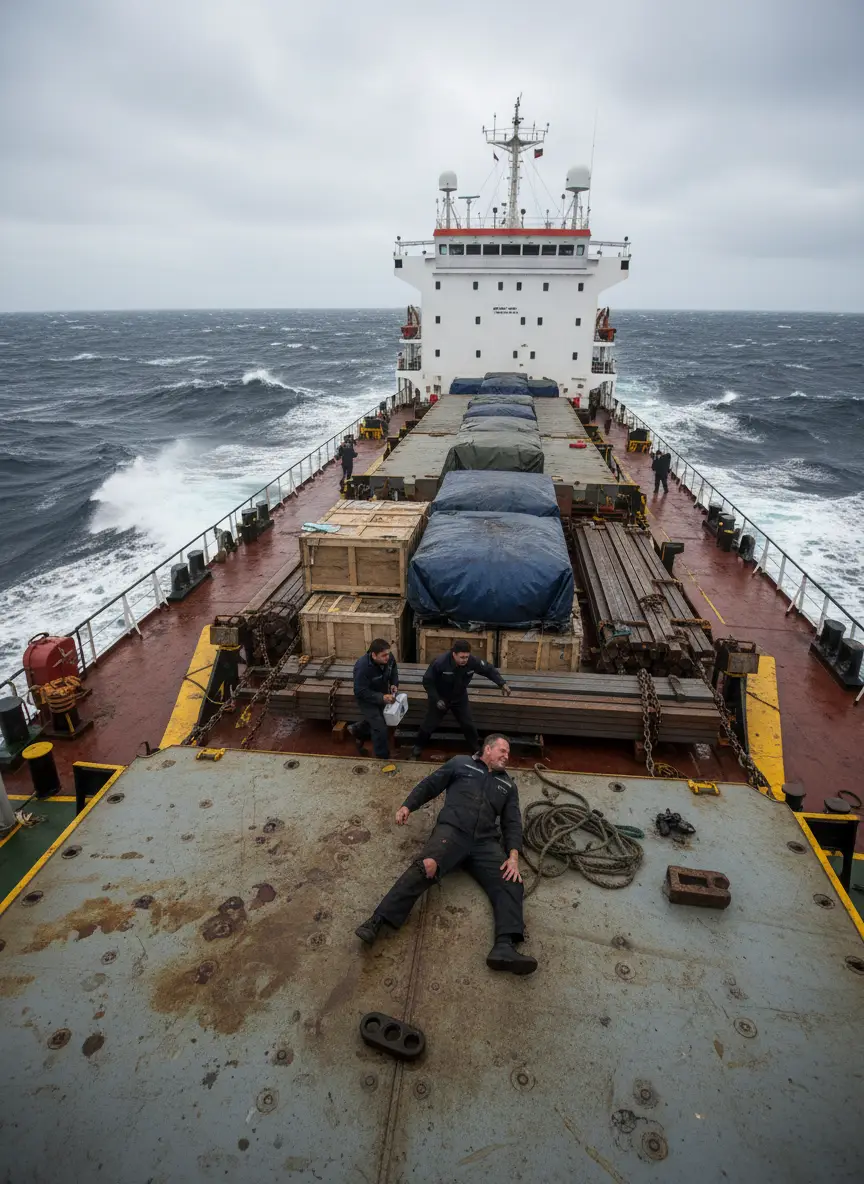
The image does not accurately reflect the actual situation.
Fatal Fall Aboard the Cetus Narwhal
According to Colombia’s maritime authority, the accident occurred aboard the geared Handysize bulker Cetus Narwhal, which was sailing approximately 30 nautical miles off Buenaventura on the evening of January 28, 2026. The bosun reportedly suffered a severe fall inside one of the vessel’s cargo holds while performing routine duties. Despite the crew’s immediate response, the injuries were critical.
The Buenaventura VTS center received the emergency call and alerted the Colombian Navy and Coast Guard. Due to rough sea conditions, a ship‑to‑boat transfer was impossible, prompting the deployment of a Navy helicopter. The injured seafarer was airlifted to a military base and then transferred to a medical facility, where he was later pronounced dead.
This tragic sequence of events underscores how quickly routine tasks can turn fatal in the maritime environment.
The Vessel and Operating Conditions
The Cetus Narwhal is a Handysize bulk carrier, a vessel class widely used for transporting commodities such as grain, steel, and coal. These ships are essential to global trade due to their ability to access smaller ports. However, their cargo holds and deck areas present numerous hazards, especially during maintenance or cargo‑related operations.
Operating off Colombia’s Pacific coast can be particularly challenging. Swell, humidity, and vessel motion can all increase the risk of falls. While investigators have not yet confirmed whether environmental conditions contributed to the accident, they remain a key focus of the ongoing inquiry.
Safety Risks and Industry Concerns
The death of a bosun — typically one of the most experienced deck crew members — raises serious questions about safety culture and risk management aboard commercial vessels. Falls from height remain one of the leading causes of maritime fatalities. When a seafarer is killed, it is often the result of multiple contributing factors, including:
- Inadequate use of fall‑prevention equipment
- Fatigue from long working hours
- Insufficient supervision during high‑risk tasks
- Poorly maintained equipment
- Wet or unstable working surfaces
- Vessel motion in rough seas
Even with international regulations from the IMO and ILO, accidents continue to occur, highlighting the need for continuous improvement.
Investigation Underway
Authorities in Colombia, the vessel’s flag state, and the ship management company have launched a full investigation into the January 28, 2026 incident. Investigators are expected to review:
- Work procedures at the time of the fall
- Safety equipment used
- Crew training and competency records
- Vessel maintenance logs
- Compliance with international safety standards
The findings will be critical for preventing similar tragedies and strengthening safety protocols across the industry.
The Human Cost of Maritime Trade
Every time a seafarer is killed, the impact extends far beyond the vessel. Families lose loved ones, colleagues lose trusted team members, and the maritime community is reminded of the human cost behind global shipping. The bosun’s death aboard the Cetus Narwhal is a stark reminder that safety must remain the highest priority.
Strengthening Safety Culture Moving Forward
To reduce the likelihood of similar incidents, maritime organizations and ship operators are urged to:
- Reinforce safety training and onboard drills
- Conduct frequent risk assessments
- Improve communication during hazardous tasks
- Ensure strict adherence to safety protocols
- Invest in modern fall‑prevention and rescue equipment
A strong, proactive safety culture is essential to protecting seafarers and preventing future tragedies.
