

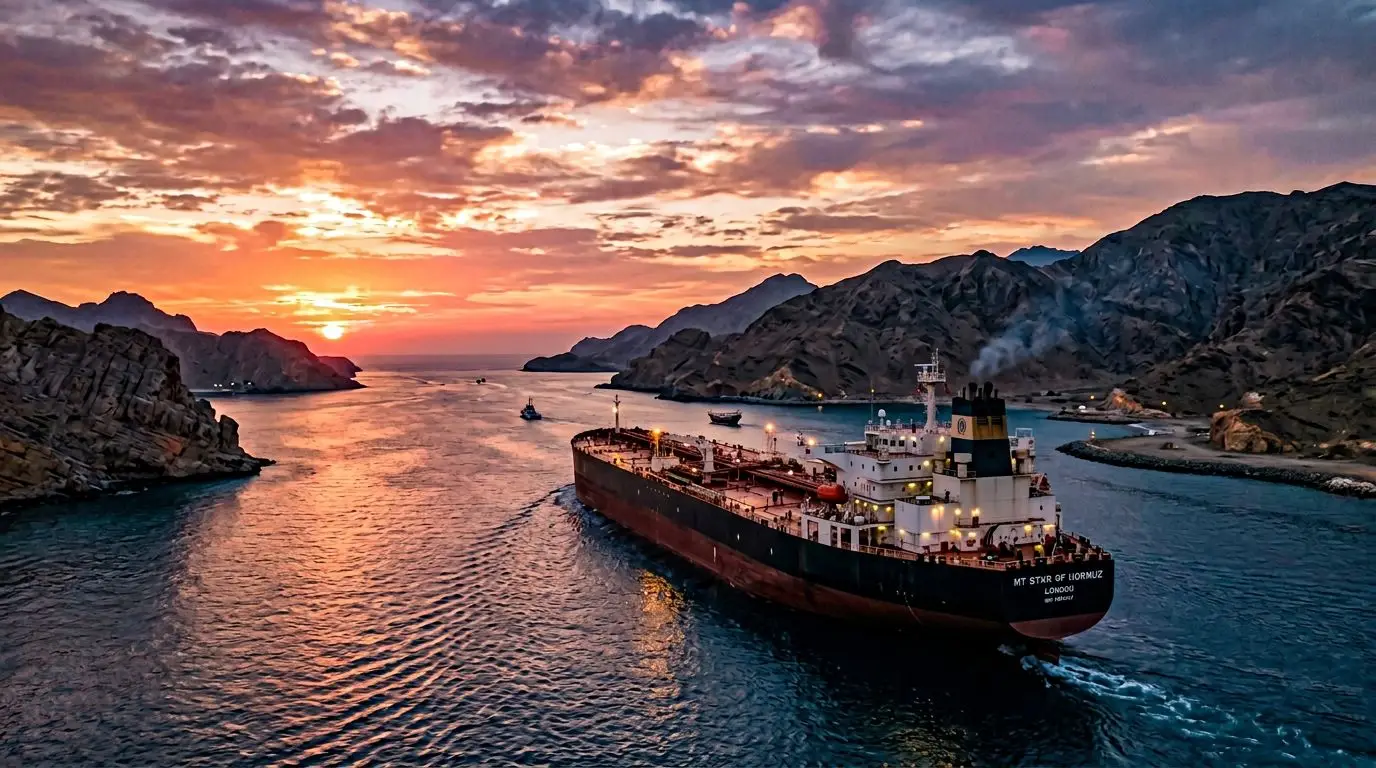
The temporary ceasefire between the United States and Iran brings cautious optimism to the maritime industry. For shipowners, operators, and charterers, however, the focus remains on whether the Strait of Hormuz is genuinely safe and operational.

Despite political announcements, shipping at the world’s crucial energy chokepoint remains limited, conditional, and high-risk. As of early April 2026, industry data and insurer statements show that a ceasefire does not guarantee safe or normal transit. [bloomberg.com]
This article breaks down what shipowners need to know right now—covering traffic status, security conditions, insurance implications, operational risks, and expectations for the coming weeks.
Current Traffic Status: Open on Paper, Restricted in Practice
While political leaders declare a “complete and immediate reopening” of the Strait of Hormuz, ship movements indicate otherwise. Few vessels have transited under the ceasefire, all with explicit coordination from Iranian authorities.
Ship-tracking data shows that:
- Normal daily traffic of around 120–140 vessels has not resumed.
- Hundreds of ships remain anchored or loitering on both sides of the strait.
- Many vessels are still awaiting confirmation from owners, insurers, and flag states before moving

For shipowners, this means that the strait is operationally constrained, not freely open.
Security Conditions: Ceasefire Does Not Equal Stability
From a maritime risk perspective, the Strait of Hormuz remains widely classified as a high-risk war zone. Insurers and industry associations stress that the ceasefire is temporary and fragile.
Reports indicate that:
- Safe passage is conditional and coordinated with local authorities.
- The ceasefire does not fully cover all regional theatres, including parts of Lebanon.
- The risk of escalation, miscalculation, or isolated attacks remains [bloomberg.com],
Shipmasters and operators continue to weigh headline risk, crew safety, port refuge availability, and emergency response capability, all of which remain constrained.
Insurance and War Risk Premiums: Available, But at a Cost
Insurance is crucial in any transit decision. Contrary to assumptions, marine war risk insurance remains available for Hormuz transit, but with higher premiums due to the increased risk.

Key developments include:
- A surge in insurance requests immediately following the ceasefire.
- Gradual premium reductions for some risks—but not a return to pre‑conflict rates
- Continued designation of the area as a very high‑risk zone by underwriters [bloomberg.com]
Insurers emphasise that while coverage exists, the ultimate decision to sail rests with owners and masters, not insurance availability alone.
The Toll Question: An Emerging Commercial Risk
One of the most unresolved and commercially sensitive issues is the possibility of transit fees or tolls imposed by regional authorities. Multiple reports suggest that discussions around ship transit charges are ongoing, though no universally accepted framework has been finalised.
For shipowners, this introduces:
- Potential unexpected voyage costs
- Contractual uncertainty under charterparties
- Risk of disputes over who bears added fees
Until toll structures—if any—are clarified, shipowners must factor in the risk that unexpected fees or charges could impact voyage profitability, and that contractual uncertainty may make it difficult to allocate these costs effectively.
Operational Reality: Expect Congestion and Delays
Even under best‑case scenarios, shipping experts agree that normalisation will take time. With hundreds of vessels displaced and alternative routing already in place, the recovery of schedules is estimated to take between four and six weeks, depending on ongoing negotiations and sustained security improvements. Key milestones for normalisation include the resumption of consistent vessel flows to at least 75% of pre‑conflict volumes within the first month, insurance premium adjustments following two weeks of risk reassessment, and the lifting of operational restrictions by local authorities as stability is confirmed. Owners should anticipate phased progress over the next month before entering a period of closer-to-normal operations.
Major carriers and shipowners have publicly stated that:
- Traffic recovery will be gradual.
- Crews and insurers need sustained stability before confidence returns.
- Full network normalisation may take six weeks or longer.
What Shipowners Should Do Now
In the current environment, best-practice risk management includes:
- Maintaining close contact with insurers and P&I Clubs. Ask insurers specific questions, such as: Is there any change in the scope of cover since the ceasefire? What procedures would be required in the event of a claim? Are there new reporting requirements or risk mitigation measures?
- Monitoring official navigational advisories and NOTAM-style maritime alerts. Ensure that shipmasters and operations teams are subscribed to reputable maritime security alerts and government advisories. Use these sources to verify reported changes in route status or restrictions daily.
- Reviewing charterparty clauses related to war risk and deviation. Focus on force majeure, war risks and deviation clauses to confirm rights and obligations under present risk levels. Check for provisions about who bears responsibility for war-related costs, alternative port calls, or extended waiting times, and seek legal advice on ambiguous language if needed.
- Avoiding premature assumptions based solely on political announcements. Cross-check all official government statements with insurance updates, trade association guidance, and third-party security reports before making operational decisions.
For now, the Strait of Hormuz remains navigable, but not normalised.
Conclusion: A Ceasefire Is a Pause, Not a Reset
The Hormuz ceasefire offers breathing space for global trade, but does not erase persistent risks. The coming weeks require disciplined decisions and continued risk assessment, not optimism alone.
Top recommendations for shipowners and operators:
– Stay in regular contact with insurers and P&I Clubs to understand coverage and procedures
– Monitor authoritative maritime alerts and navigational advisories daily
– Review and clarify charterparty clauses relating to war risk, deviation, and responsibilities for additional costs
– Prepare for possible transit fees or tolls, and factor these into commercial planning
– Avoid assumptions based only on political statements; cross-verify with multiple sources before acting
Until sustained stability is proven, Hormuz should be treated as a controlled reopening under heightened risk, rather than a return to business as usual.