

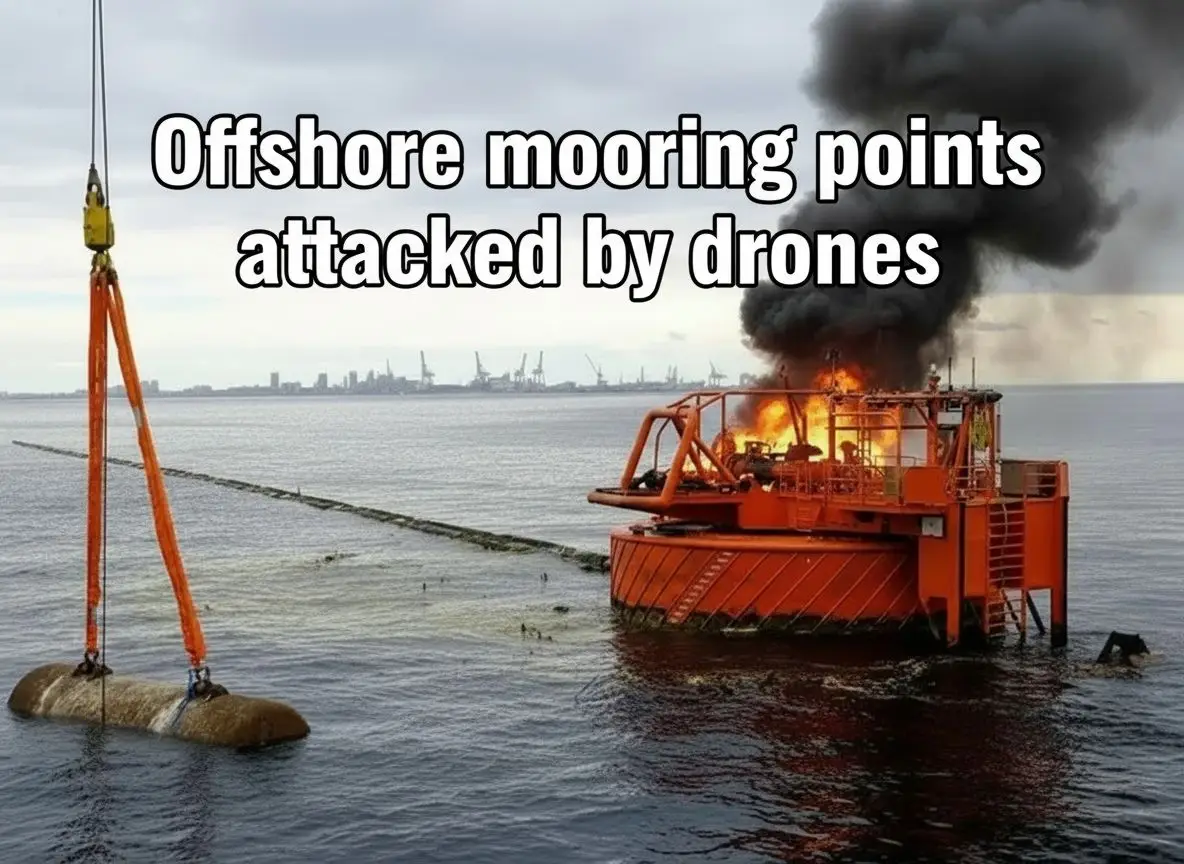
The Black Sea has become the latest flashpoint in the ongoing Russia-Ukraine conflict, with recent naval drone attacks targeting critical oil infrastructure and vessels. These strikes have disrupted Kazakhstan’s crude exports via the Caspian Pipeline Consortium (CPC), a key route for global energy flows, and raised alarms across the maritime and energy sectors.
What Happened?
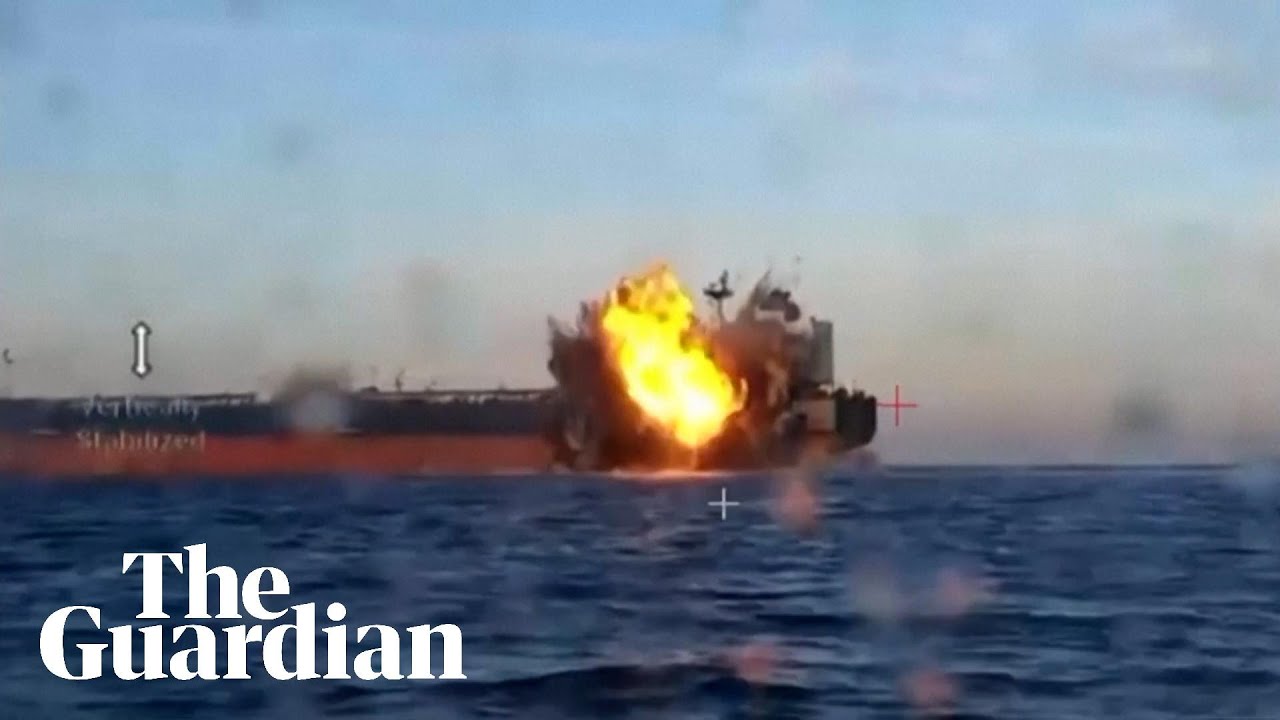
On 29 November, Ukrainian naval drones struck two Russian oil tankers—Kairos and Virat—off Turkey’s Black Sea coast. Both vessels, reportedly part of Russia’s “shadow fleet” used to evade sanctions, were en route to Novorossiysk to load oil destined for foreign markets. Video footage shared by Ukrainian officials showed explosions and fires on the tankers, which were later evacuated without casualties. These attacks mark a significant escalation in Ukraine’s efforts to cripple Russia’s oil logistics and revenue streams.
Impact on the Caspian Pipeline Consortium
The CPC, which handles around 80% of Kazakhstan’s oil exports, suspended operations after one of its offshore mooring points near Novorossiysk sustained severe damage from a drone strike. Emergency systems prevented oil spills, but the facility cannot resume operations until repairs are completed. Kazakhstan has activated contingency plans to reroute crude through alternative pipelines, underscoring the vulnerability of global energy supply chains to regional conflicts.
Geopolitical Fallout
- Kazakhstan and Turkey Condemn Attacks: Both nations criticised Ukraine’s strikes, warning of risks to navigation, environmental safety, and regional stability. Kazakhstan stressed that the CPC terminal is a civilian facility protected under international law.
- Ukraine’s Position: Kyiv defended its actions as retaliation against Russian aggression, arguing that targeting oil assets is essential to weaken Moscow’s war machine. Ukrainian officials claim the strikes disabled vessels capable of transporting oil worth nearly US$70 million, significantly hindering Russia’s ability to bypass sanctions.
Why It Matters
The CPC pipeline is a strategic energy corridor linking Kazakhstan’s oil fields to global markets via Russia. Disruptions here reverberate beyond the Black Sea, affecting:
- Global Oil Prices: Reduced supply from Kazakhstan could tighten markets already strained by geopolitical uncertainty.
- Maritime Security: The attacks highlight the growing role of unmanned systems in naval warfare, raising questions about port and vessel security.
- Regulatory Response: The International Maritime Organization (IMO) may revisit safety protocols for high-risk zones, while insurers could impose stricter conditions on shipping through the Black Sea.
Looking Ahead
As the conflict intensifies, expect:
- Increased Drone Warfare: Ukraine’s success with naval drones may inspire further strikes on Russian energy infrastructure.
- Diversification of Routes: Kazakhstan and other exporters will likely explore alternative pipelines and ports to mitigate risk.
- Heightened Security Measures: Ports and shipping companies operating in the Black Sea will need to adopt advanced surveillance and counter-drone technologies.
Bottom Line
The recent drone strikes are more than isolated incidents—they signal a new phase in the Russia-Ukraine conflict where energy infrastructure and maritime routes are frontline targets. For global energy markets and maritime operators, adaptability and resilience will be key to navigating this volatile landscape.
