

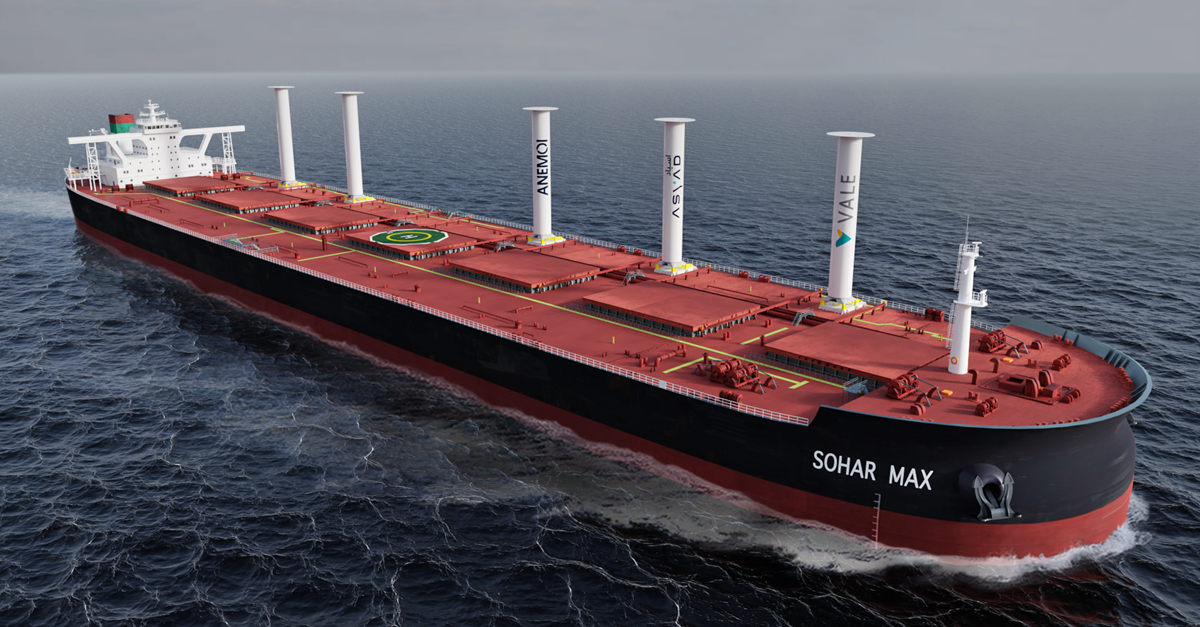
What Are Rotor Sails and Why Do They Matter?
Rotor sails are vertical, cylindrical structures installed on ships that harness wind energy to assist propulsion. By leveraging the Magnus effect, these sails can significantly cut fuel consumption and lower CO₂ emissions. For Union Maritime, this technology represents a practical solution to enhance energy efficiency without compromising operational performance.
Details of the Project
- Vessels: Two chemical tankers, each with a deadweight of 18,500 DWT.
- Shipyard: Built at Wuhu Shipyard in China.
- Technology Partner: Anemoi Marine Technologies, a pioneer in rotor sail systems.
- Specifications: Each vessel will feature two rotor sails, measuring 3.5 metres in diameter and 24 metres in height.
- Delivery Timeline: Scheduled for early 2026.
This initiative underscores Union Maritime’s proactive approach to sustainability, complementing its broader strategy of adopting low-carbon technologies and alternative fuels.
Why This Matters for the Industry
The shipping sector faces mounting pressure to decarbonise, with regulatory frameworks like IMO’s GHG Strategy setting ambitious targets. Rotor sails offer a proven pathway to achieve up to 30% fuel savings, depending on route and wind conditions. For chemical tankers operating globally, this translates into substantial cost reductions and environmental benefits.
Union Maritime’s Green Vision
Since its inception in 2006, Union Maritime has consistently invested in modern, eco-friendly vessels. The adoption of rotor sails is part of a larger roadmap that includes:
- Exploring dual-fuel engines.
- Implementing energy efficiency measures.
- Collaborating with technology providers to stay ahead of compliance requirements.
