

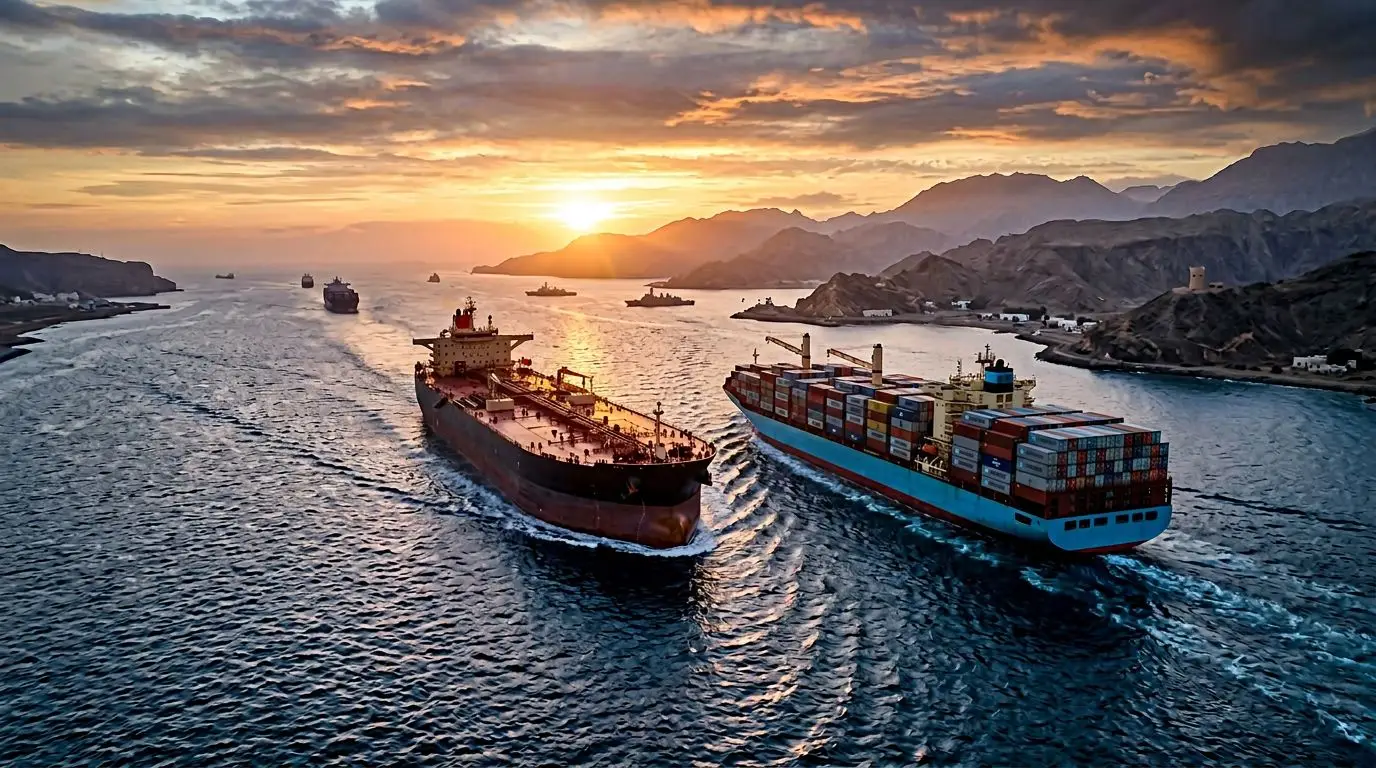
The Strait of Hormuz is the world’s most important maritime chokepoint, connecting the Persian Gulf and the Gulf of Oman. It handles nearly one-fifth of global oil consumption and a significant portion of liquefied natural gas. Recent geopolitical tensions and increased military activity have severely disrupted traffic. With energy prices volatile and supply chains under strain, the key question is when international authorities will restore safe, unrestricted passage through the strait.
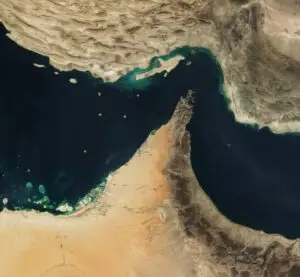
Understanding the Current Bottleneck
The current disruption is not physical. Although the waters are navigable, threats of seizure and missile strikes have led major shipping companies to reroute their fleets. Many halted transit following a series of ultimatums and retaliatory threats between regional powers and Western coalitions. As a result, maritime traffic has dropped by over 90%, leaving thousands of crew members uncertain about their situation.
The economic impact is global. Restricted access has driven up shipping insurance costs and increased delivery times for fuel to Asian and European markets. The urgency to reopen the Strait of Hormuz is greater than ever as the world seeks maritime stability.
Key Requirements to Reopen the Strait of Hormuz
Before commercial vessels can return to these waters with confidence, several diplomatic and securiBefore commercial vessels can safely return, several diplomatic and security milestones must be met. Due to the region’s complexity, a simple ceasefire is insufficient; a comprehensive maritime safety framework is needed.by international leaders: – Establishment of a Neutral Maritime Corridor: The International Maritime Organisation is advocating for a designated safe zone, monitored by neutral parties, to allow trapped vessels to exit and essential energy supplies to flow.
A key requirement is verified de-escalation of military ultimatums. The ongoing cycle of “48-hour windows” and strike threats must end, with regional forces and international coalitions agreeing to a standing de-escalation protocol before traffic can resume.
Shipping companies also require formal security guarantees. Written assurances are needed to ensure non-combatant vessels will not be targeted or seized for political leverage.
Restoring regional diplomatic channels is essential. Direct communication between coastal nations and international task forces is necessary to prevent accidental skirmishes that could result in a permanent closure.
Predicting a specific date for reopening the Strait of Hormuz is challenging. Given the volatility of the conflict, predicting a specific reopening date is difficult. However, military and economic analysts have outlined several possible scenarios based on current diplomatic conditions. In the next few days, experts suggest we could see a “phased reopening” as early as next month. This would likely begin with escorted convoys of tankers from neutral nations, followed by a gradual return of Western-linked container ships. Under this optimistic timeline, the strait could return to 50% capacity within 30 days of a formal agreement.
If the stalemate continues or military strikes damage infrastructure, the disruption could last three to six months. In this case, a “total closure” threatened by local groups could occur, forcing a complete redesign of global energy logistics. Over-capacity pipelines in Saudi Arabia and the UAE would be unable to handle the full volume currently passing through the strait.
The Vital Role of International Diplomacy
Reopening the Strait of Hormuz requires intensive negotiations. The United States and its allies emphasize “freedom of navigation” through naval presence, while countries like China and India use back-channel diplomacy to secure their energy needs. As major buyers of regional oil, they have a crucial influence in Tehran and other capitals for reaching a solution.
European mediators are also pivotal, seeking solutions that address local security concerns while protecting the global economy from regional disputes. These talks aim to shift from military posturing to a sustainable maritime treaty that recognises the strait as an international waterway that must remain open, regardless of land-based conflicts.
The Economic Cost of Delay
Each day the strait remains restricted adds millions of dollars in costs to the global economy. Land-based alternatives cannot match the volume of sea trade. For example, replacing one supertanker’s cargo would require about 10,000 tanker trucks, which is logistically and environmentally unfeasible on a global scale.
As long as reopening efforts are delayed, consumers will face higher fuel and goods prices. Increased “war risk” insurance premiums are passed on to consumers, adding to global inflationary pressures that are difficult to reverse.
Conclusion
Reopening the Strait of Hormuz is urgent amid rising tensions. Although the physical route is open, political and security challenges persist. Whether through a humanitarian corridor, a new maritime security treaty, or reduced regional tensions, restoring this trade route is vital for global stability. Until a clear, verifiable agreement is reached, the world will remain on edge, awaiting the safe reopening of this critical energy artery.