
Escalation in the Gulf: Strait of Hormuz Attacks Threaten Global Shipping Stability
The global maritime community is currently facing an unprecedented crisis following a series of attacks in the Strait of Hormuz that have effectively paralysed one of the world’s most critical trade routes.
As tensions between regional powers and international task forces reach a breaking point, the stability of the global supply chain hangs in the balance.
While the United States has officially launched a high-stakes maritime operation to extract trapped vessels, the transition from a state of blockade to one of free navigation is proving to be fraught with tactical and diplomatic hurdles that threaten to prolong the stalemate.
The Fujairah Oil Terminal Attack and Regional Security
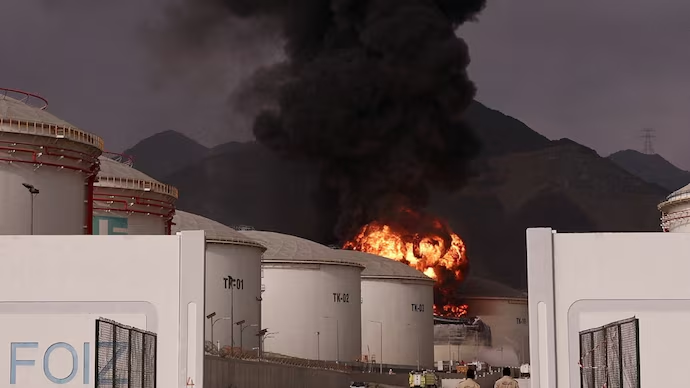
A significant turning point in the current conflict was the recent attack on the Fujairah oil terminal, which targeted the United Arab Emirates’ strategic energy hub on its eastern seaboard. Fujairah is vital to UAE maritime security because it serves as the primary bypass for oil exports that would otherwise be forced through the volatile Strait of Hormuz.
By targeting this infrastructure with drones and cruise missiles, the aggressors have demonstrated a clear intent to disrupt even the alternative routes designed to ensure energy continuity.
The impact of these strikes was felt immediately across the region. Local authorities reported that while air defence systems successfully intercepted the majority of incoming threats, at least one drone managed to strike a petroleum facility, leading to a massive fire and injuries to civilian personnel.
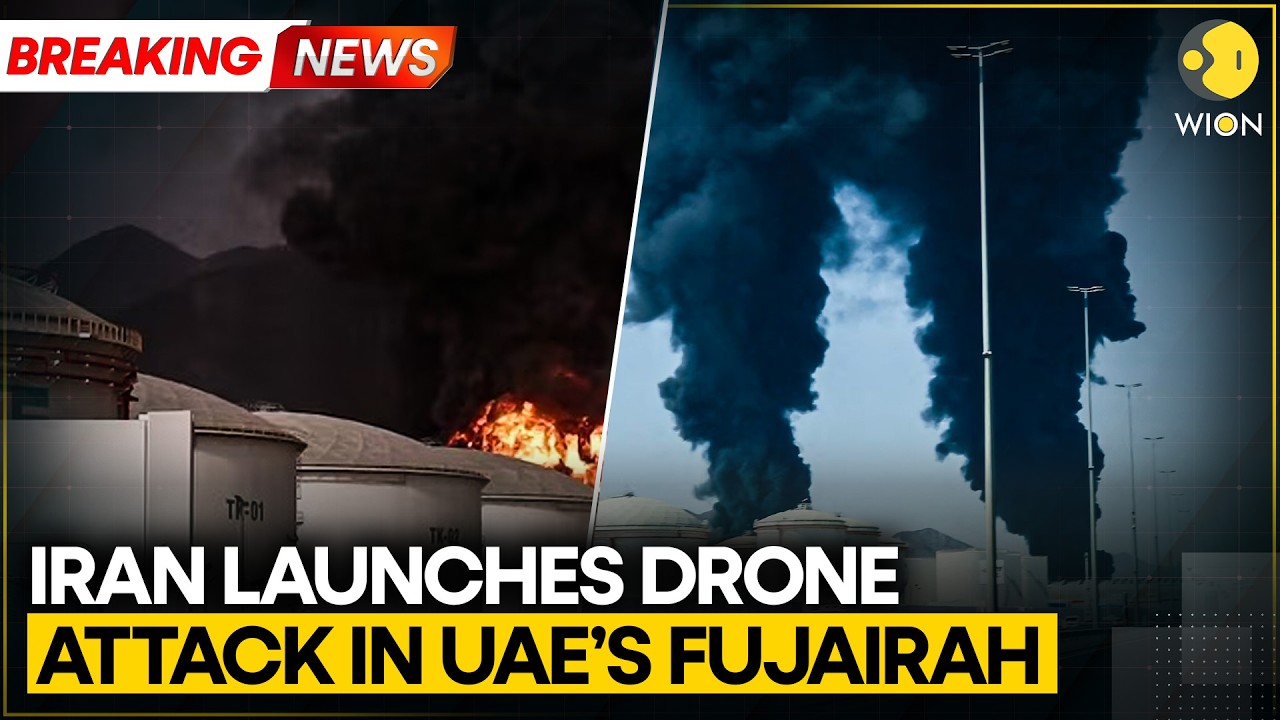
This escalation has forced terminal operators to temporarily suspend some loading operations, further tightening the grip on global energy supplies and proving that no maritime facility in the region is beyond the conflict’s reach.
Project Freedom US Navy: Navigating a Global Energy Corridor Disruption
In response to the mounting crisis, the White House has authorised the Project Freedom US Navy initiative.
This operation is a massive undertaking involving guided-missile destroyers, over 100 aircraft, and approximately 15,000 service members dedicated to restoring the flow of commerce. The primary objective of Project Freedom is to provide a safe escort for neutral commercial ships stranded in the Persian Gulf for weeks, many of which are running low on essential supplies for their crews.
The global energy corridor disruption caused by the Strait’s closure has sent shockwaves through international markets. With nearly 20% of the world’s oil and liquefied natural gas (LNG) normally passing through this narrow waterway, the physical blockade has led to the largest supply disruption in history. For those working on the front lines of this crisis, the daily reality involves navigating extreme stress and uncertainty. Understanding the broader context of navigating modern maritime careers and challenges (https://maritime-hub.com/seafarers-and-life-at-sea-challenges-and-opportunities/) is becoming increasingly important for seafarers who find themselves at the centre of geopolitical crossfire.
Tactical Obstacles and the Strait of Hormuz Attacks
Despite the deployment of heavy naval assets, the success of the exodus remains limited. The following factors have contributed to the slow progress of the ship evacuation: – The persistent threat of naval mines that have not been fully surveyed or mitigated by international demining teams.
– Frequent GPS jamming and electronic spoofing that complicate the navigation of ultra-large crude carriers in narrow channels.
– The use of asymmetric warfare tactics, including high-speed “fast boats” that harass commercial vessels even under naval escort.
– Contradictory maritime alerts from various regional authorities create confusion for merchant ship captains. The Strait of Hormuz attacks have not been limited to military engagements; they have directly targeted civilian merchant vessels. Reports of tankers being hit by “unknown projectiles” and cargo ships being set ablaze have become alarmingly frequent. Even as U.S. Central Command reports successful transits of American-flagged vessels, many international shipping lines remain hesitant to risk their assets without more robust, multinational guarantees of safety.
Assessing Maritime Insurance Risk in the Gulf
From a financial perspective, the maritime insurance risk in the Gulf has reached levels not seen since the “Tanker War” of the 1980s. The London insurance market and other global underwriters have begun issuing cancellation notices for war-risk coverage, effectively grounding vessels whose owners cannot afford the skyrocketing premiums. In some cases, insurance costs for a single transit have risen so sharply that they exceed the profit margin of the cargo being carried.
This financial friction acts as a secondary blockade. Even if the waterway were technically cleared of physical threats tomorrow, the legal and financial hurdles of securing adequate coverage would continue to stifle traffic. Major carriers like Maersk and COSCO are forced to weigh the immense costs of rerouting around the Cape of Good Hope—which can add over $1 million in fuel costs—against the potential loss of a vessel in the strait.
Middle East remains volatile
The situation in the Middle East remains a volatile mix of military posturing and economic desperation. While the Project Freedom US Navy operation represents a significant commitment to restoring order, the ongoing Strait of Hormuz attacks and the recent strikes on the Fujairah oil terminal suggest that a quick resolution is unlikely. As long as the maritime insurance risk in the Gulf remains at critical levels, the global economy will continue to suffer the effects of this massive energy disruption. For the thousands of seafarers currently trapped in the region, the hope for a safe passage home depends on a unified international response that prioritizes the freedom of navigation above regional political disputes.
