

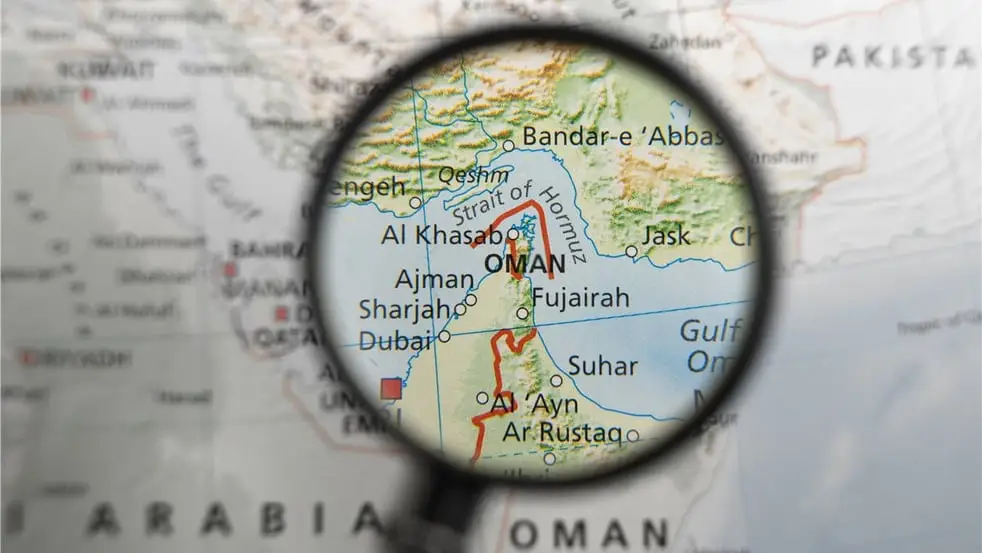
Strait of Hormuz Security: How Increased Naval Presence is Reshaping Oil Transit
The global shipping industry is currently facing a defining crisis, with the Strait of Hormuz remaining the focal point of intense geopolitical friction. Recent escalations have led to a significant increase in Strait of Hormuz Oil Tanker Attacks, forcing a rapid expansion of international military activity in the region.
For the maritime industry, the primary concern is no longer just operational efficiency but also the preservation of life and the security of assets.
As naval forces from the United States and its allies intensify patrols, the delicate balance between maintaining free trade and enforcing security measures has never been more strained and difficult.
The Critical Role of the Strait of Hormuz and Global Stability
Geographically, the Strait of Hormuz is recognised as the world’s most vital energy artery. This narrow waterway, which separates the Persian Gulf from the Gulf of Oman, serves as the primary conduit for roughly 20 to 25 percent of the world’s seaborne oil and liquefied natural gas (LNG). Because alternative inland routes, such as Saudi Arabia’s East-West Pipeline, have limited capacity, any prolonged disruption here triggers immediate volatility in energy markets.
The current situation is unique due to the “selective passage” and “smart control” regimes implemented by regional actors. While some vessels bound for specific markets continue to transit, many others have been redirected or seized. This unpredictability has transformed the strait from a routine maritime corridor into a high-risk zone where any intentional or inadvertent incident could escalate into a direct military confrontation.
The Impact of Escalating Strait of Hormuz Oil Tanker Attacks
The surge in Strait of Hormuz Oil Tanker Attacks since early 2026 has had a chilling effect on commercial shipping.
Data from maritime intelligence platforms like Windward and Kpler indicate that traffic through the strait has plummeted by as much as 97% during peak periods of tension. These attacks often involve a combination of:
– Direct drone and missile strikes against commercial hulls.
– The covert deployment of underwater minefields in main traffic lanes.
– Boarding and seizure operations by naval commandos.
– Electronic disruption and GPS jamming to confuse vessel navigation.
These threats have forced a massive shift in how the industry operates. For the men and women on the front lines, the situation has created unprecedented professional stress. Navigating these high-stakes waters requires a specialised understanding of maritime careers and challenges, as crew members must now be prepared for everything from military interdiction to rescue operations in hostile environments.
Naval Presence and the Modern Maritime Blockade
In response to the deteriorating security situation, a robust naval presence has been established to protect global energy flows.
Led by U.S. Central Command (CENTCOM), international task forces are now conducting right-of-visit boardings and maritime interdictions to enforce sanctions and prevent the transport of illicit cargo.
This intensified military oversight is a double-edged sword. While it provides a degree of protection for compliant vessels, it also complicates the legal landscape. The International Maritime Organisation (IMO) has stressed that under international law, no nation has the unilateral right to block international straits. However, the enforcement of a “maritime blockade” targeting specific ports has blurred the distinction between security and combat operations.
For shipowners, this environment has led many major insurers to retreat from the region. When the commercial system—including P&I clubs and war risk underwriters—hesitates to provide coverage, a passage becomes effectively closed even if it remains physically navigable.
Energy Market Volatility and Global Oil Supply Disruption
The consequence of this standoff is a persistent disruption of the global oil supply. With nearly 20 million barrels of oil per day at risk, the International Energy Agency (IEA) has had to coordinate the largest emergency reserve releases in its history to act as a “time bridge” for global markets.
Despite these efforts, Brent crude prices remain volatile, reflecting market anxiety about a potential long-term closure.
The economic shockwaves extend beyond crude oil. Because the Gulf region is a major hub for refined products and nitrogen-based fertilisers, the crisis is driving up costs for aviation fuel, diesel, and agricultural inputs worldwide.
This “economic clock of war” suggests that the longer the effective disruption lasts, the more likely it is to trigger a broad global inflation and growth shock.
Restoring Commercial Confidence
Reopening the Strait of Hormuz to routine commercial traffic is the only way to stabilise the global economy. However, as 2026 progresses, it is clear that naval power alone cannot restore commercial confidence at speed. Success will require a combination of credible military deterrence, renewed diplomatic efforts to establish a stable ceasefire, and the restoration of a legal framework that guarantees freedom of navigation.
For the maritime industry, the lesson of the current crisis is that modern maritime chokepoints are incredibly fragile. Until the risk to crews and vessels is mitigated, the Strait of Hormuz will remain a volatile barrier between regional conflict and global prosperity. Stakeholders must continue to monitor the evolving naval presence and adapt their supply chains to a world where maritime security can no longer be taken for granted.
