

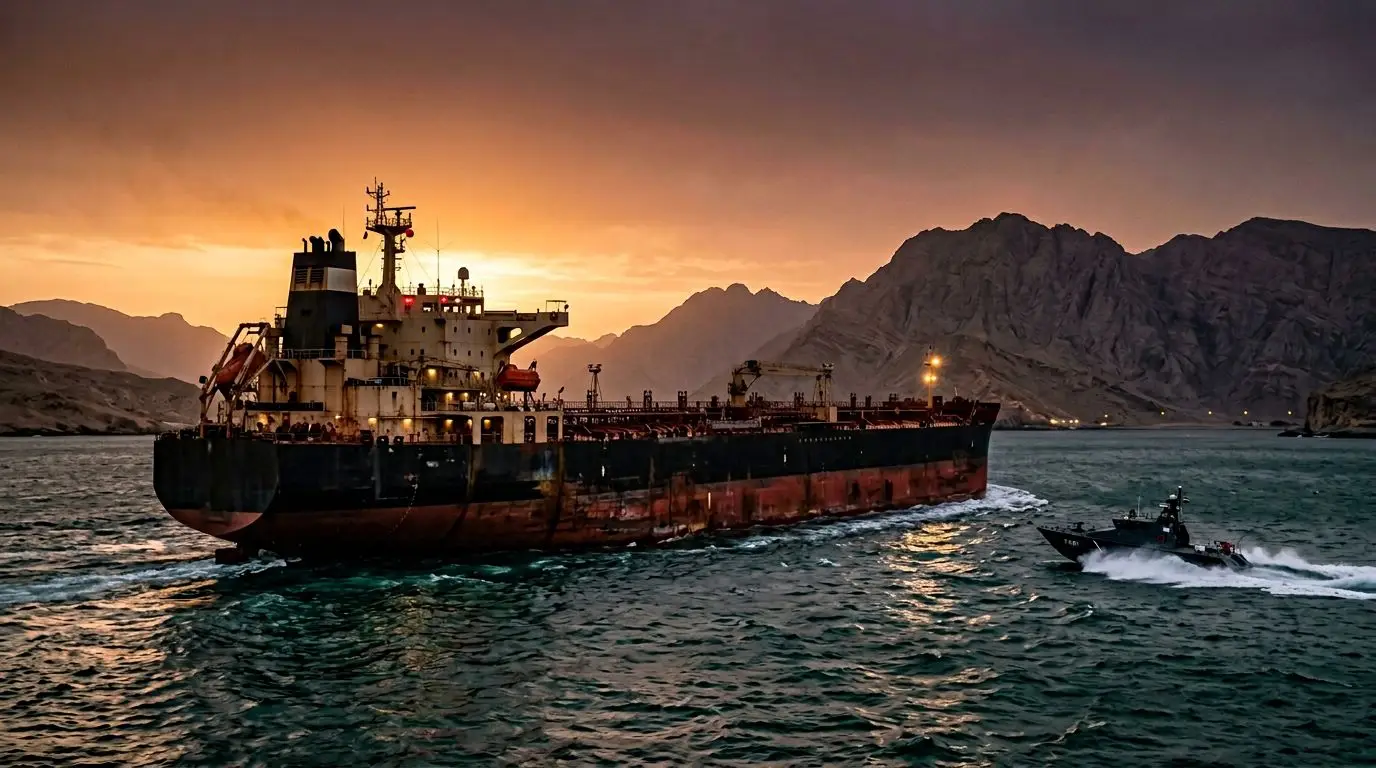
The global energy landscape is currently grappling with a historic crisis as the Strait of Hormuz Blockade enters a critical phase.
On April 13, 2026, the United States officially initiated a naval blockade of Iranian ports, a move that has effectively stifled traffic through one of the world’s most vital maritime chokepoints. With nearly 20% of the world’s oil supply and 20% of liquefied natural gas (LNG) transiting this narrow waterway, the disruption has sent shockwaves through international markets, leading to unprecedented energy market volatility and a scramble for alternative supply routes.
The Scale of Global Oil Supply Disruption
The immediate consequence of the blockade has been a massive disruption of the global oil supply. Before the conflict began on February 28, more than 20 million barrels of oil per day (mb/d) passed through the strait. Recent data from the International Energy Agency (IEA) suggests that this flow has plummeted to just 3.8 mb/d. This shortfall of approximately 14 mb/d represents the largest supply disruption in the history of the oil market, surpassing even the energy crises of the 1970s.
The impact is most visible in the rapid spike in crude oil prices. Prices that hovered around $70 per barrel in early 2026 have surged past the $100 mark, with some analysts at JPMorgan Chase predicting they could stay elevated through the second quarter. The shortage is not just a theoretical market concern; it is a physical reality that has forced refineries in Asia and the Middle East to cut runs by 6 mb/d due to a lack of feedstock.
Securing LNG Transit Security and Global Heating
Beyond oil, the blockade has severely compromised the security of LNG transit. The Strait of Hormuz is the primary exit point for nearly all of Qatar’s LNG exports, representing one-fifth of global trade. Since the start of March, LNG supplies have been reduced by over 300 million cubic metres per day. This loss of over 2 billion cubic metres of gas every week has caused European natural gas benchmarks, such as the Dutch TTF, to rise by over 60%.
The ripple effects extend into other critical sectors: – Fertiliser Production: Approximately 30% of global fertiliser shipments transit the strait, leading to rising costs for agricultural inputs.
– Industrial Materials: Supply chains for aluminium, helium, and sulfur are facing significant bottlenecks.
– Commodity Inflation: The combination of energy and shipping costs is driving broader inflation in food and chemicals.Navigating Modern Maritime Careers or Challenges
For the thousands of seafarers currently caught in the region, the situation presents extreme professional and personal risks. Ships operating near the strait have received warnings that unauthorised transit could lead to vessels being targeted or destroyed. Those pursuing maritime careers or facing challenges at sea must now navigate a “high-risk” system in which only 10 to 15 ships are cleared for passage per day, a stark contrast to the 130 vessels that passed daily before the war.
The shift toward a militarised blockade has also introduced complex legal and insurance hurdles. Shipping firms are hesitant to resume operations as Iran proposes new transit tolls, potentially payable in cryptocurrency to bypass sanctions. These evolving protocols create a dangerous environment for crew members who are responsible for the safe transit of hazardous energy cargoes through contested waters.
The Strategic Importance of Maritime Chokepoints
The current crisis underscores the vulnerability of the world’s maritime chokepoints. While Saudi Arabia, the UAE, and Iraq have attempted to bypass the strait using pipelines to the Red Sea and Fujairah, these routes have only increased capacity from 4 mb/d to 7.2 mb/d. This leaves a net loss of over 13 mb/d that simply cannot be rerouted, highlighting the irreplaceable nature of the Hormuz passage.
International law experts at the U.S. Naval War College have noted that the blockade erodes long-standing norms regarding the freedom of navigation. Under UNCLOS, the right of transit passage through such straits is generally regarded as irrefutable. The current enforcement actions, justified on national security grounds, risk setting a precedent that could allow other superpowers to police similar global corridors, such as the Taiwan Strait.
Conclusion
The Strait of Hormuz Blockade has fundamentally altered the global energy outlook for 2026. With the IEA forecasting the first annual decline in oil demand since the 2020 pandemic, the economic damage is already unfolding. While diplomatic efforts in Islamabad offer a glimmer of hope for a ceasefire, the physical loss of barrels and the depletion of global inventories suggest that the road to recovery will be long and volatile. As long as this vital artery remains restricted, the world must prepare for a future defined by high energy costs and restructured supply chains. Only a full reopening of the strait and a return to stable maritime norms can truly ease the pressure on the global economy.