
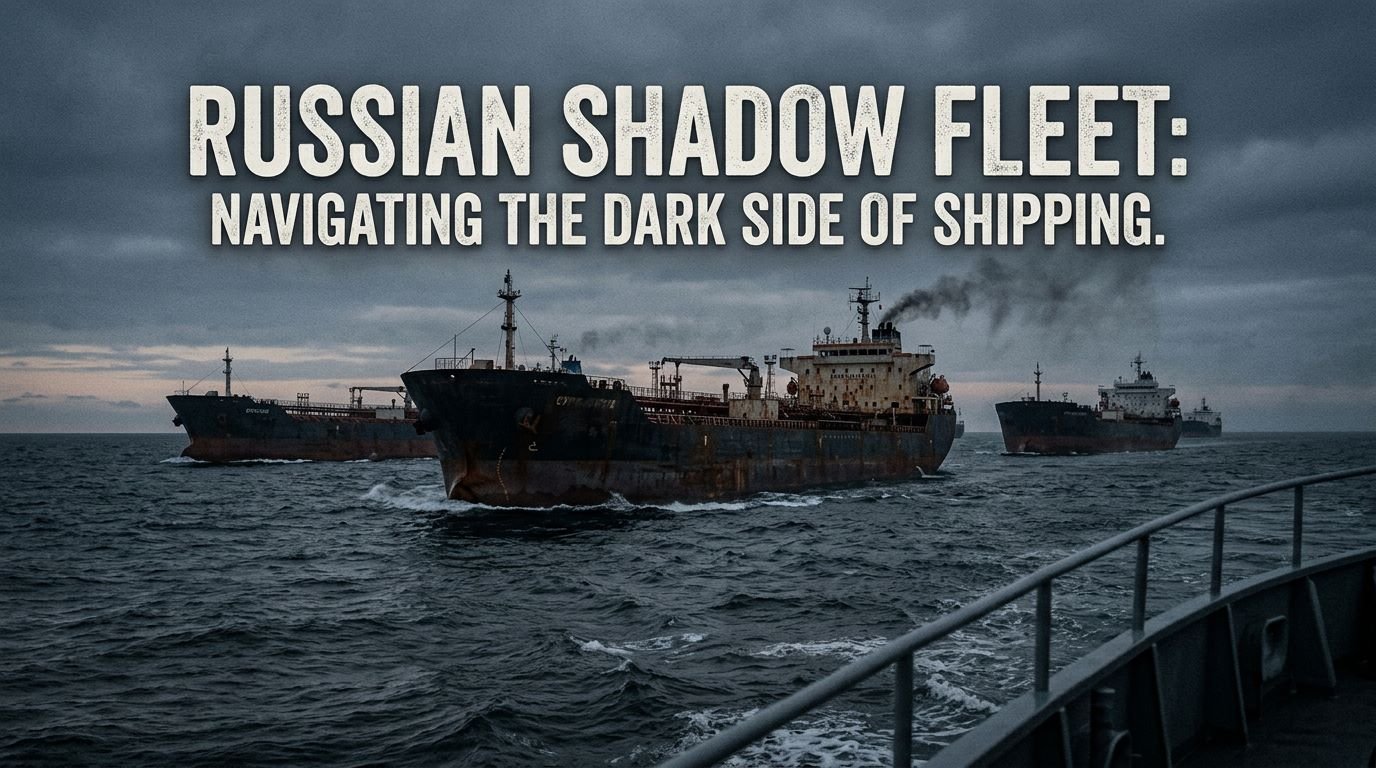
The global maritime landscape is currently experiencing rapid growth in a secret network of vessels called the Russian shadow fleet.
Since the imposition of Western price caps and energy sanctions in late 2022, this “ghost fleet” has grown to over 3,000 vessels, designed specifically to bypass international restrictions and keep oil revenue flowing.
This systemic shift has fundamentally altered maritime trade, shifting a significant portion of the world’s energy transport into a parallel, unregulated market beyond the reach of traditional insurers and regulatory bodies.
For maritime professionals, the emergence of this fleet represents a departure from decades of established norms. Understanding the mechanics of this operation is essential for maintaining compliance and safety, as the risks associated with these vessels—ranging from environmental hazards to legal liability—continue to mount in critical chokepoints like the Baltic Sea and the Strait of Hormuz.
The Mechanics of Maritime Sanctions Evasion
At the core of this disruption is a sophisticated system for evading maritime sanctions. Rather than openly violating international law, operators of the shadow fleet utilise a variety of layered techniques to obscure the origin, ownership, and destination of their cargo. This allows sanctioned states to move revenue-generating commodities, such as crude oil and petrochemicals, outside of the G7 price cap regime.
A key component of these operations is the use of dark fleet shipping tactics. Unlike conventional vessels that prioritise transparency and safety compliance, shadow fleet tankers often operate with minimal oversight. These vessels are frequently older—often exceeding 15 years of service life—and are maintained to substandard levels. Owners use shell companies and secretive holding structures in various jurisdictions to shield themselves from legal action and financial accountability if something goes wrong.
Common Deceptive Shipping Practices
To remain invisible to standard tracking services, shadow fleet operators have refined several deceptive shipping practices. These methods are designed to create plausible deniability and frustrate the efforts of law enforcement agencies and maritime intelligence firms.
Key tactics include: – AIS Spoofing and Manipulation: Ships may intentionally disable their Automatic Identification System (AIS) transponders or broadcast false coordinates to appear in compliant regions while actually loading cargo in sanctioned ports.
– Flag Hopping: Vessels frequently change their registration between “permissive” registries or use fraudulent flags of convenience to evade the scrutiny of specific national authorities.
– Identity Laundering: Some operators repaint vessel names or use recycled IMO numbers from scrapped ships to mask the history of a sanctioned tanker.
– Complex Ownership: Utilising multiple layers of front companies to hide the ultimate beneficial owner, making it nearly impossible for banks or insurers to conduct proper due diligence.The Risks of Ship-to-Ship Oil Transfers
One of the most common methods for moving sanctioned cargo is ship-to-ship oil transfer. These operations typically occur in international waters or remote areas where regulatory oversight is minimal. During an STS transfer, a shadow fleet tanker will offload its cargo onto a “clean” secondary vessel, which then delivers the oil to its final destination as if it originated from a non-sanctioned source.
While STS transfers are a legitimate practice in the maritime industry, the way the dark fleet conducts them introduces significant environmental and operational risks. Because many of these tankers lack traditional P&I insurance and are operated by crews with varying levels of experience, the danger of a catastrophic oil spill is high. These transfers often take place at night or under the cover of AIS manipulation, further complicating search-and-rescue or cleanup efforts. For seafarers, navigating these maritime careers and challenges means operating in a high-stakes environment where crew safety is often secondary to completing the voyage.
The Future of Global Maritime Security
The continued growth of the Russian shadow fleet represents a challenge to the integrity of global trade. By normalising the evasion of international standards, this parallel fleet undermines the safety and environmental regulations that have governed the seas for decades. International bodies like the International Maritime Organisation (IMO) and coalitions like NATO are increasingly focused on closing the regulatory loopholes that allow these vessels to operate.
To mitigate risk, maritime experts recommend that stakeholders—including traders, insurers, and port authorities—adopt advanced behavioural analysis tools. Relying on static vessel screening is no longer sufficient; detection requires integrating satellite imagery, remote-sensing intelligence, and real-time monitoring of AIS anomalies.
Conclusion
The transformation of the Strait of Hormuz and the Baltic Sea into hubs for the shadow fleet has fundamentally altered the shipping industry. The combination of AIS spoofing and manipulation, deceptive shipping practices, and the lack of verifiable insurance has created a maritime environment in which access and safety are no longer guaranteed under international law. As the “dark fleet” continues to evolve, the global community must adapt its enforcement strategies to ensure that the world’s most vital waterways remain safe, transparent, and secure for all legitimate trade.
