
Overview
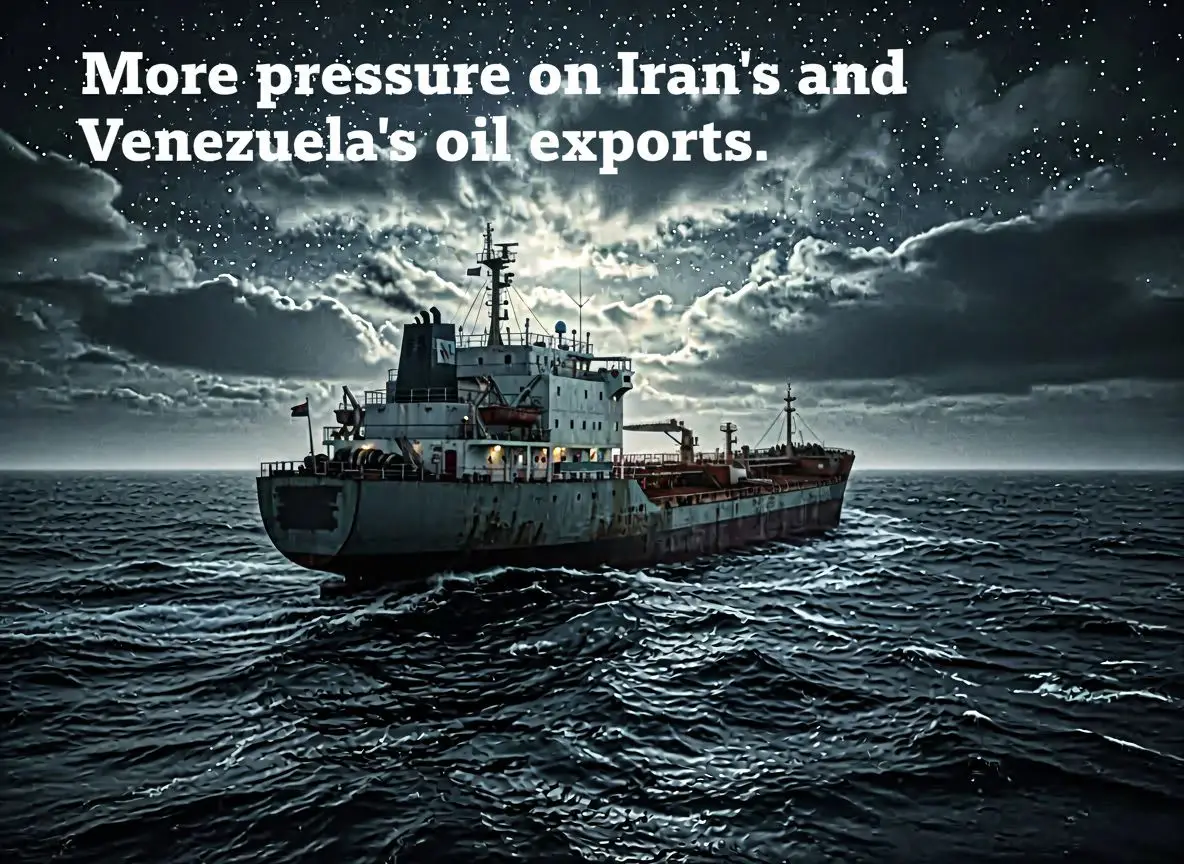
On 18 December 2025, the U.S. Treasury’s Office of Foreign Assets Control (OFAC) imposed sanctions on 29 tankers and their management firms, intensifying efforts to disrupt Iran’s and Venezuela’s sanctioned oil exports. This move is part of a broader campaign to curtail the use of “shadow fleets”—vessels that employ deceptive practices to evade international sanctions and sustain the petroleum revenues of sanctioned regimes.
What Are Shadow Tankers?
Shadow tankers are typically older vessels with opaque ownership structures. They often:
- Sail under flags of convenience (e.g., Palau, Panama, Cook Islands, Barbados, Jamaica)
- Operate without top-tier insurance.
- Regularly disable or manipulate AIS transponders.
- Conduct ship-to-ship transfers offshore to obscure cargo origins
- Change names and registration frequently to avoid detection
These tactics enable sanctioned states to move oil to buyers—primarily in Asia—despite international restrictions.
Key Details of the Latest Sanctions
- Scope: 29 tankers and associated management firms, including companies linked to Egyptian businessman Hatem Elsaid Farid Ibrahim Sakr, who is alleged to facilitate illicit exports for Iran.
- Objective: To deprive Iran and Venezuela of petroleum revenues used to fund military and weapons programmes.
- Enforcement: The U.S. has now sanctioned over 180 vessels since January 2025, raising operational risks and costs for those involved in sanctioned trades.
Recent Enforcement Actions
- Seizure of the Skipper: On 10 December 2025, U.S. forces seized the VLCC Skipper off Venezuela. The vessel, previously sanctioned for trading Iranian oil, was operating under a false flag and had manipulated its AIS data to evade detection. The Skipper was carrying approximately 1.85 million barrels of crude, valued at over $90 million.
- Operational Risks: The Skipper’s seizure signals a shift from financial penalties to physical interdiction. U.S. authorities have indicated that more such actions may follow, raising the stakes for operators of shadow fleet vessels.
Compliance and Safety Considerations
1. Due Diligence
- Vessel Vetting: Scrutinise ownership, flag history, and insurance status. Many shadow tankers are stateless or falsely flagged, lacking valid registration.
- AIS Monitoring: Persistent AIS gaps or spoofed locations are red flags for illicit activity.
2. Legal Exposure
- Sanctions Risk: Engaging with sanctioned vessels or cargoes exposes operators, insurers, and financiers to secondary sanctions, asset seizures, and reputational harm.
- Insurance Voidance: Most shadow fleet vessels lack P\&I cover from International Group clubs, leaving operators exposed to uninsured liabilities.
3. Environmental and Safety Hazards
- Ageing Fleet: Many shadow tankers are over 20 years old, poorly maintained, and have a history of safety deficiencies, increasing the risk of pollution and casualty events.
Market Impact
- Fleet Size: The shadow fleet now totals nearly 1,000 tankers, representing almost 19% of global oil tanker capacity. This includes vessels serving Russia, Iran, and Venezuela, often switching between sanctioned trades based on profit opportunities.
- Trade Flows: Despite sanctions, Iran’s seaborne exports have surged, with most barrels moving via shadow tankers to China. Venezuela’s output has also rebounded, with shadow fleet support critical to sustaining exports.
Strategic Takeaways for Maritime Professionals
- Heightened Scrutiny: Expect increased monitoring of tanker movements, especially in known transhipment zones (e.g., Southeast Asia, Caribbean).
- Documentation: Maintain robust records and ensure all cargoes and voyages are fully documented and compliant with international regulations.
- Collaboration: Work closely with compliance teams, insurers, and legal advisors to assess exposure and implement risk mitigation strategies.
Conclusion
The U.S. crackdown on shadow tankers marks a significant escalation in maritime sanctions enforcement. For maritime professionals, the operational, legal, and reputational risks of engaging with shadow fleet vessels have never been higher. Vigilance, due diligence, and strict compliance are essential to navigate this evolving landscape.
Press release issued from the U.S. Department of the Treasury’s Office of Foreign Assets Control (OFAC) with details on the ship and management companies.
