

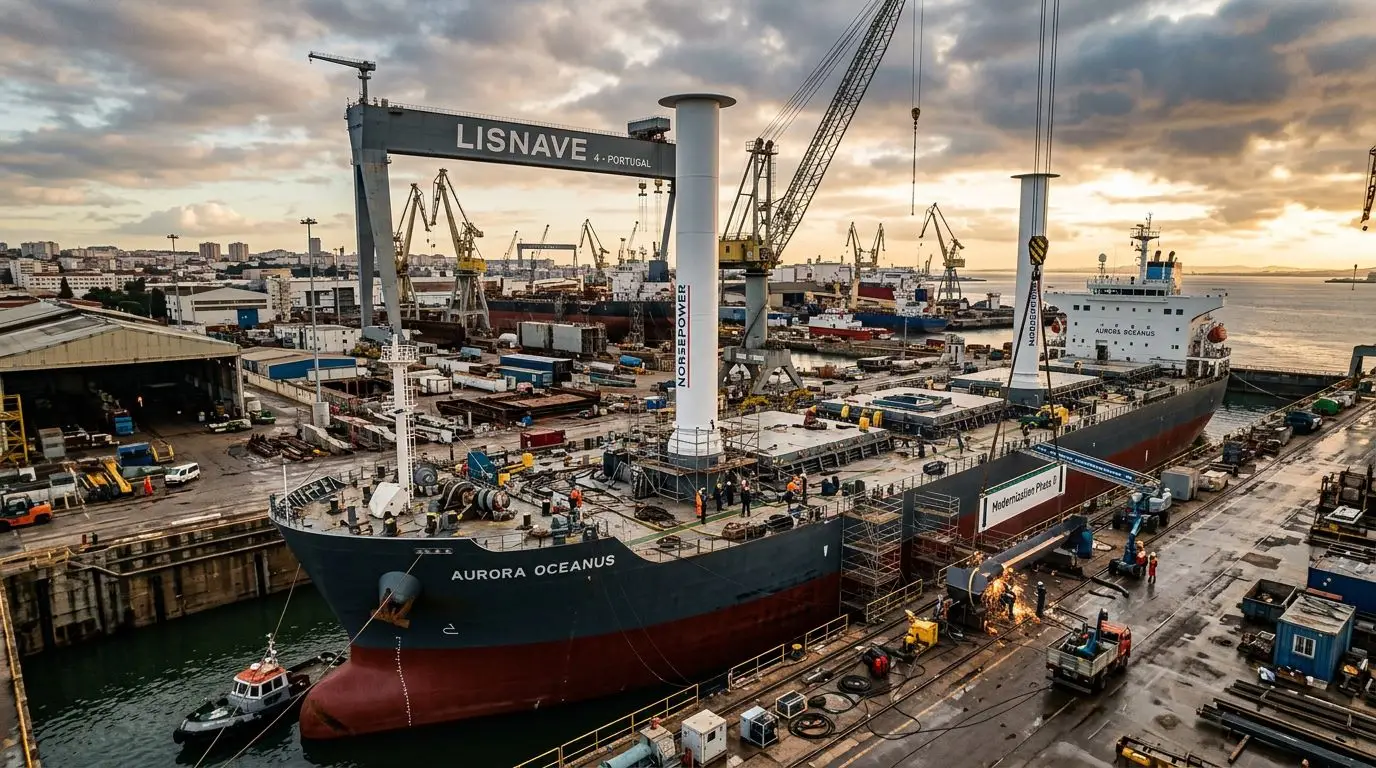
As we move through 2026, the shipping industry is undergoing a massive transformation. From the way ships are built and fueled to how they are eventually retired, every stage of a vessel’s life is being reimagined. This shift is driven by new environmental rules, advanced technology, and a global push for more efficient trade.
Below is a detailed look at the latest developments in fleet modernisation, shipbuilding, and recycling.
1. Newbuild Lead Times & Shipyard Capacity
The global shipbuilding market is currently in a “super-cycle.” As of early 2026, the global orderbook is at its third-highest level in history. If you were to order a new ship today, you likely wouldn’t see it delivered until late 2028 or even 2029.
The Capacity Crunch
Shipyards are currently packed. While the world’s biggest yards in China, South Korea, and Japan are operating at near-maximum capacity, several trends are defining the 2026 landscape:
- China’s Dominance: China now secures over 70% of global tonnage. Old, closed shipyards (like the former STX Dalian, now Hengli Heavy Industry) have been reopened and modernised to handle the overflow.
- The Rise of Alternative Fuels: Nearly 50% of all ships currently on order are designed to run on alternative fuels like Liquefied Natural Gas (LNG), Methanol, or Ammonia. This makes the building process more complex and time-consuming.
- New Shipbuilding Hubs: Because traditional yards are full, we are seeing a shift toward new markets. Countries like India, Vietnam, and the Philippines are becoming popular choices for smaller vessels and specialised ships.
Why Lead Times are Growing
Lead times—the time between ordering and delivery—have stretched significantly. In 2026, the average wait for a large container ship or a gas carrier is over 36 months. This is due to:
- Labour Shortages: A lack of skilled welders and engineers in traditional shipbuilding hubs.
- Complex Technology: Installing dual-fuel engines and carbon-capture systems requires more man-hours than old-fashioned diesel engines.
- Supply Chain Lag: High demand for specialised components, like cryogenic tanks for LNG, creates bottlenecks.
2. Retrofit Economics & Lifecycle Optimisation
With newbuild slots scarce and expensive, many shipowners are looking at their existing fleets. Instead of buying new, they are “retrofitting”—adding new technology to old ships to make them cleaner and more efficient.
The Economics of Retrofitting
In 2026, retrofitting is no longer just a “green” choice; it is a financial necessity. New regulations, such as the EU Emissions Trading System (ETS) and FuelEU Maritime, mean that ships with high emissions now face heavy fines.
| Technology Type | Typical Fuel Saving | Estimated Payback Period |
| Air Lubrication (Bubbles under the hull) | 5% – 10% | 3 – 5 Years |
| Wind-Assisted Propulsion (Sails/Rotors) | 10% – 20% | 5 – 7 Years |
| Hull Cleaning & High-Tech Coatings | 3% – 8% | Under 1 Year |
| Engine De-rating/Optimization | 5% – 15% | 2 – 4 Years |
Lifecycle Optimization
“Lifecycle optimisation” is the 2026 buzzword for managing a ship like a high-tech asset. Instead of just fixing things when they break, owners use Digital Twins—virtual copies of the ship—to predict maintenance needs.
- Predictive Maintenance: Sensors on the engine can tell a manager in London if a part in the middle of the Pacific is about to fail.
- Total Cost of Ownership (TCO): Owners are now looking at the cost of a ship over 25 years, including fuel, carbon taxes, and recycling value, rather than just the initial purchase price.
3. Recycling under the Hong Kong Convention
The biggest news in the “end-of-life” sector is the Hong Kong International Convention (HKC), which officially entered into force on June 26, 2025. By 2026, it has completely changed how ships are scrapped.
A New Era for Shipbreaking
Before this convention, many ships were “beached” in South Asia under poor safety and environmental conditions. Now, the HKC sets mandatory global standards.
- Authorised Facilities: Ships can only be recycled at yards that have been audited and certified. This includes major yards in India, Bangladesh, and Pakistan that have spent millions of dollars upgrading their concrete floors, drainage systems, and worker safety gear.
- The Inventory of Hazardous Materials (IHM): Every ship over 500 tons must now carry an IHM. This is a “passport” that lists every dangerous substance on board (like asbestos or lead paint), so recyclers know exactly what they are dealing with.
- “Cradle to Grave” Responsibility: Shipbuilders must now design ships with recycling in mind, making it easier to safely disassemble them in 25 years.
The Recycling Market in 2026
While the rules are stricter, the demand for recycled steel is high. Using recycled steel from a ship uses only one-third of the energy required to make new steel from scratch. This “circular economy” is making ship recycling a more professional and profitable business.
Summary of Key Trends for 2026
- Full Shipyards: If you need a new ship, you’ll have to wait until nearly 2030.
- Greener Existing Ships: Retrofitting old ships with sails and air-bubble systems is the fastest way to avoid carbon taxes.
- Digital Management: AI and virtual models are helping ships stay efficient throughout their entire lives.
- Safe Recycling: The Hong Kong Convention is now law, ensuring that old ships don’t harm the environment or workers.