
Introduction
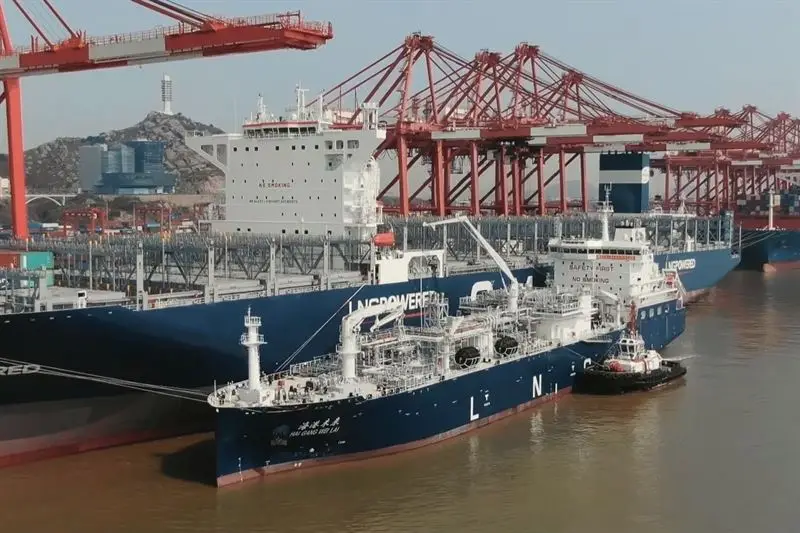
The maritime industry is undergoing a major transformation, and LNG (Liquefied Natural Gas) is at the heart of it. Wärtsilä Gas Solutions is leading the charge by supplying fully integrated systems for a new LNG bunkering vessel being built in China. This development marks a significant step towards cleaner, more efficient marine fuel solutions.
Quick Facts
- Project: LNG bunkering vessel for Shanghai International Port Group (SIPG)
- Shipyard: Jiangnan Shipyard, China
- Systems by Wärtsilä: Cargo handling, fuel gas supply, boil-off gas reliquefaction
- Delivery: 2026
- Commissioning: Summer 2027
Why LNG Matters
Global shipping faces increasing pressure to reduce emissions and comply with IMO regulations. LNG is emerging as a cleaner alternative to traditional fuels, offering:
- Lower sulphur and CO₂ emissions
- Compliance with stringent environmental standards
- Improved operational efficiency
SIPG has already completed 200+ LNG bunkering operations, handling over 1 million cubic metres of LNG, making them a leader in this space.
Wärtsilä’s Integrated Solution
Unlike standalone systems, Wärtsilä’s integrated approach ensures:
- Seamless operation between cargo handling and fuel supply
- Enhanced safety and reliability
- Reduced energy loss through boil-off gas reliquefaction
This level of integration sets a new benchmark for LNG bunkering technology.
Industry Impact
- Competitive Advantage for Ports: Ports equipped for LNG will attract more traffic as LNG adoption grows.
- Regulatory Compliance: Operators investing in LNG infrastructure now will be better prepared for future emissions regulations.
- Operational Efficiency: Integrated systems reduce downtime and improve bunkering speed.
Future Outlook
By 2027, this vessel will be operational, supporting the growing fleet of LNG-powered ships. Expect:
- Increased LNG bunkering capacity in Asia
- More investments in sustainable marine fuel infrastructure
- A shift towards smart, digital solutions for maritime logistics
