

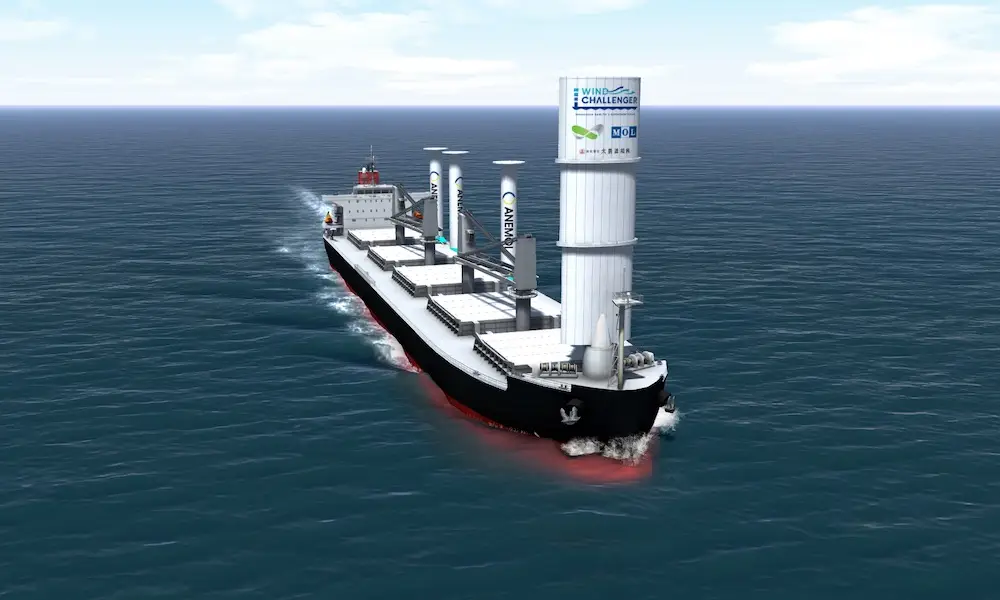
The wind-assist retrofit market for wind assisted ships is rapidly growing as the shipping industry adopts wind propulsion systems. With nearly 100 installations nearing completion, the sector is poised for major improvements in sustainability and efficiency, driven by regulations and technological advancements.
The shipping industry is nearing 100 installations of wind propulsion systems.
Wind-assisted propulsion systems (WAPS) are being added to various vessels, mainly tankers and general cargo ships.
Rotor sails are the leading technology, especially in the bulk and tanker sectors.
Economic advantages and regulatory compliance are key factors for adopting WAPS.
The Surge in Wind-Assist Retrofits
The maritime sector has increasingly adopted wind-assisted propulsion systems since 2021. By January 2025, 52 vessels will be operational with WAPS, and 97 new builds will be on order. This trend shows a growing awareness of the need for sustainable shipping practices.
Most ships with enough deck space and airflow can retrofit WAPS. Currently, about 75% of the WAPS fleet consists of retrofitted vessels, primarily tankers and general cargo ships. Wind propulsion technology improves fuel efficiency and supports global efforts to cut carbon emissions.
Technology and Implementation
The primary technologies utilized in wind-assisted propulsion include:
- Rotor Sails: These cylindrical sails harness wind energy to propel the vessel, accounting for 54% of installed systems.

- Suction Sails: Preferred for general cargo ships, these sails utilize aerodynamic principles to create lift and reduce fuel consumption.
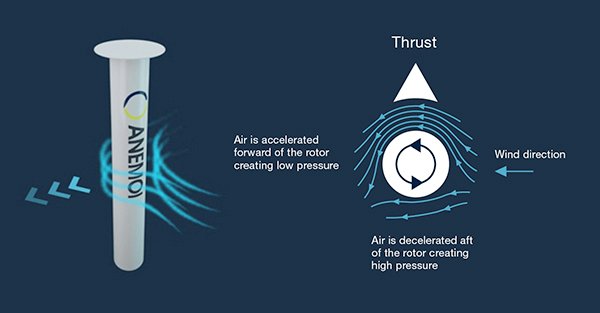
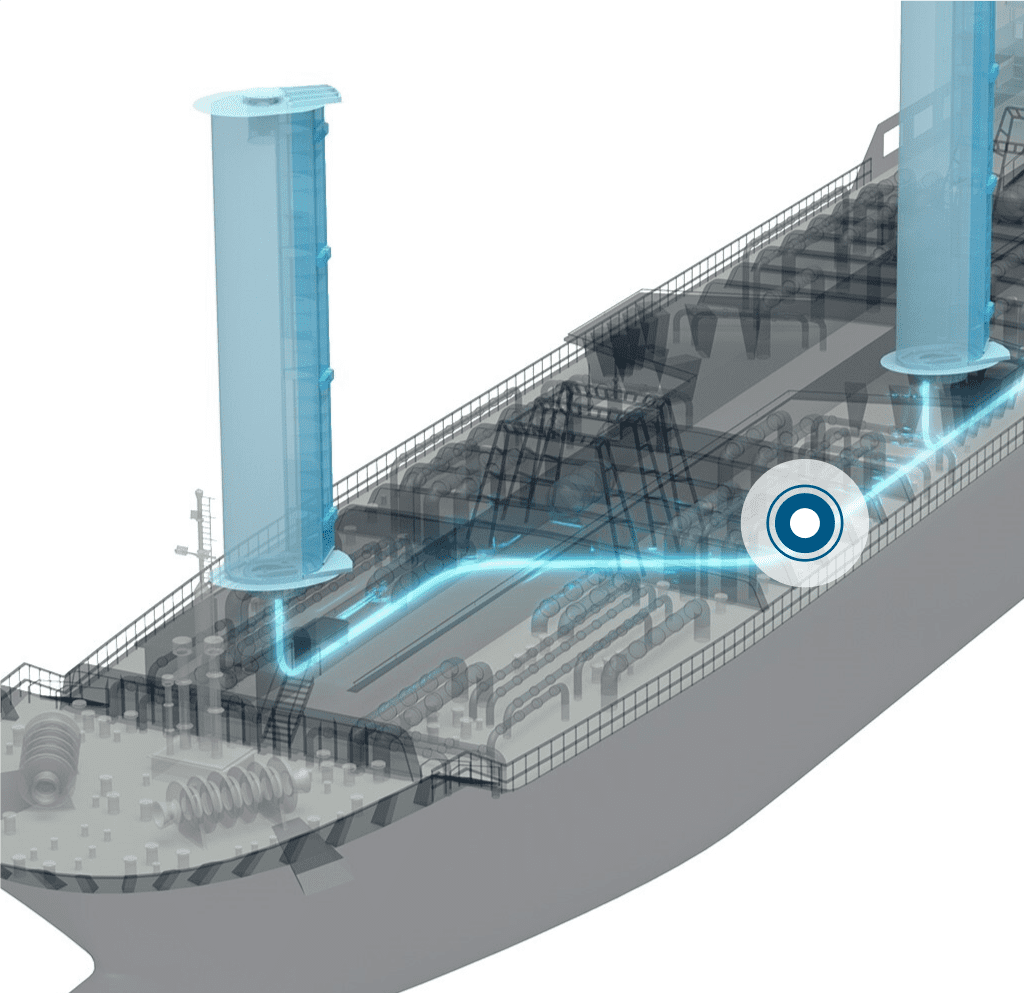
Hasso Hoffmeister, a Senior Principal Engineer at DNV, emphasises that current WAPS technologies leverage advanced control systems, aerodynamics, and modern materials. This innovation positions WAPS as a promising component of hybrid propulsion systems, with the potential for fully wind-powered cargo vessels in the near future.
Regulatory Drivers
The push for wind-assisted propulsion is also fueled by economic incentives tied to compliance with international regulations. The Energy Efficiency Design Index (EEDI) and the Existing Ship Efficiency Index (EEXI) are among the frameworks that encourage the adoption of cleaner technologies. WAPS can significantly improve a vessel’s Carbon Intensity Indicator (CII) ratings by reducing fuel consumption, making them an attractive option for shipowners.
Future Outlook
As the industry progresses, DNV has taken the lead in setting WAPS standards. The first class notation for ships using these systems was released in 2019, with updates to the certification standards anticipated in 2025. This ongoing progress will likely boost the credibility and adoption of wind propulsion technologies in the maritime sector.
In summary, the wind-assist retrofit market is poised for rapid growth, fueled by technological advancements, regulatory compliance, and a shared commitment to sustainability. As the shipping industry adopts these innovations, the future of maritime transport appears increasingly green and efficient.
Sources
- Shipping industry nears 100-installation milestone of wind propulsion systems – Offshore Energy, Offshore Energy.
- Berge Bulk ship duo to receive Anemoi rotor sails – Offshore Energy, Offshore Energy.
