
Strait of Hormuz Blockade: Navigating the Most Critical Chokepoint Crisis of 2026
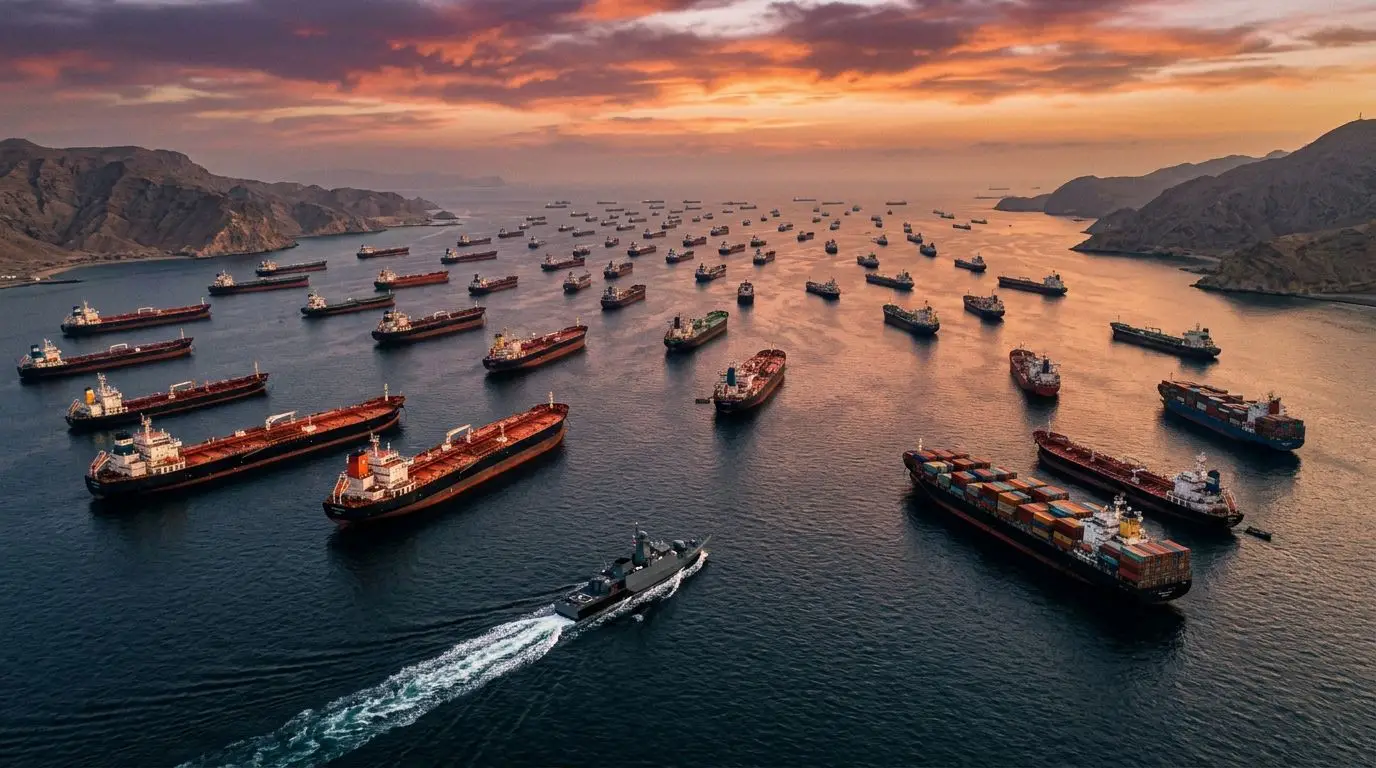
The effective three-month Strait of Hormuz Blockade has fundamentally altered the global energy map, trapping hundreds of commercial vessels in the Persian Gulf and severing the primary artery for world oil and LNG transit.
What began as a localised geopolitical dispute has escalated into a sustained maritime paralysis, forcing shipowners and energy ministries to rethink the concept of supply chain security. As regional naval forces enforce strict passage controls and drone interventions become a weekly occurrence, the shipping industry is witnessing a complete realignment of security across tanker trade routes.
The Operational Deadlock and Persian Gulf Naval Tensions
Navigating the waters near the Musandam Peninsula is now a high-stakes exercise in risk management. Persian Gulf naval tensions have reached a boiling point following the sinking of the livestock carrier MSV Haji Ali and the detention of several general cargo vessels accused of non-compliance with new, localised transit protocols. For the hundreds of crews currently stranded, the psychological and operational toll is immense. Ships that were scheduled for routine regional deliveries now find themselves acting as floating storage units, waiting for a diplomatic breakthrough that seems increasingly distant.

MSV Haji Ali
Recent BIMCO maritime reports indicate that the sheer volume of tonnage effectively removed from the global market is unprecedented. This bottleneck has increased freight rates on alternative routes and caused a shortage of Very Large Crude Carriers (VLCCs). To cope with this volatility, owners and charterers are adopting a cautious approach.

Impact on Daily Logistics and Tanker Workflows:
– Diversion to the Cape of Good Hope has added 12 to 15 days to standard voyages from the Gulf to Europe, drastically increasing fuel consumption and carbon intensity scores.
– War risk insurance premiums for the remaining vessels in the region have surged by over 400%, making “business as usual” financially impossible for smaller independent operators.
– Tanker trade route security now requires mandatory 24-hour bridge watches and, in some cases, the employment of private maritime security teams to counter asymmetric drone threats.
– Legal teams are working overtime to navigate “force majeure” clauses in charter party agreements as delivery schedules collapse.

Commercial Mechanics and the Regulatory Squeeze
The drivers behind this crisis are as much economic as they are political. The International Maritime Organisation (IMO) and various state ministries are struggling to balance environmental mandates with the raw necessity of energy security. While the industry is being pushed toward decarbonization, the Strait of Hormuz Blockade has forced a temporary regression. Shippers are prioritising any available tonnage to maintain oil flows, regardless of the vessel’s Efficiency Design Index (EEDI) rating.

Market forces are currently dominated by a massive push to rebuild global oil stocks. Nations that previously relied on “just-in-time” delivery are now scrambling for “just-in-case” inventory. This shift is driving long-term post-war tanker demand, as traders anticipate a period of intense restocking once the chokepoint reopens. However, regulatory bodies are warning that the sudden influx of vessels through the Suez Canal—once the blockade lifts—could create a secondary logistics crisis in the Mediterranean.
Operational Survival and Technical Compliance
For shipowners, the current situation is a masterclass in adaptation. Shipboard workflows have transitioned from efficiency-focused to survival-focused. Technical compliance is no longer just about meeting MARPOL standards; it is about ensuring a vessel can survive a digital or physical intervention. Maritime intelligence firms are tracking a significant increase in GPS jamming and spoofing in the region, requiring navigators to return to traditional paper-based backup systems and manual dead reckoning.

Insurance providers are reshaping the landscape as well. Due to the absence of clear “safe passage” guarantees, many underwriters are declining to insure hull and machinery for ships entering the conflict zone. Consequently, state-owned entities often assume the risk, adding a political dimension to the commercial shipping industry. The financial threat increases because many ships stuck behind the blockade are on fixed-term charters, resulting in legal disputes over who should cover the costs of their inactivity.
Future Outlook: Bottlenecks and Strategic Realignments
The immediate next steps for the industry involve a painful period of adjustment. The global oil supply disruption is expected to persist even if a ceasefire is fully realised, as the backlog of cargo will take months to clear. Shippers must monitor the upcoming “shadow fleet” activity, as non-compliant vessels may attempt to run the blockade, further complicating the security environment for legitimate operators.
Over the coming months, the industry should prepare for a permanent shift in how maritime chokepoints are viewed. We are likely to see increased investment in pipeline infrastructure that bypasses the Strait, alongside a strategic move toward “friend-shoring” energy supplies. The commercial risks are no longer theoretical; they are the new baseline for maritime operations in the Middle East.
Data & Sources
– BIMCO (Baltic and International Maritime Council)
– IMO (International Maritime Organisation)
– UKMTO (United Kingdom Maritime Trade Operations)
– Kpler Maritime Analytics