
Samsung Heavy Industries Shifts Crude Tanker Orders to Vietnam, Cuts Reliance on Chinese Shipyards
Samsung Heavy Industries has officially shifted its global production strategy by moving a significant portion of its Suezmax tanker orders to Vietnamese shipyards.
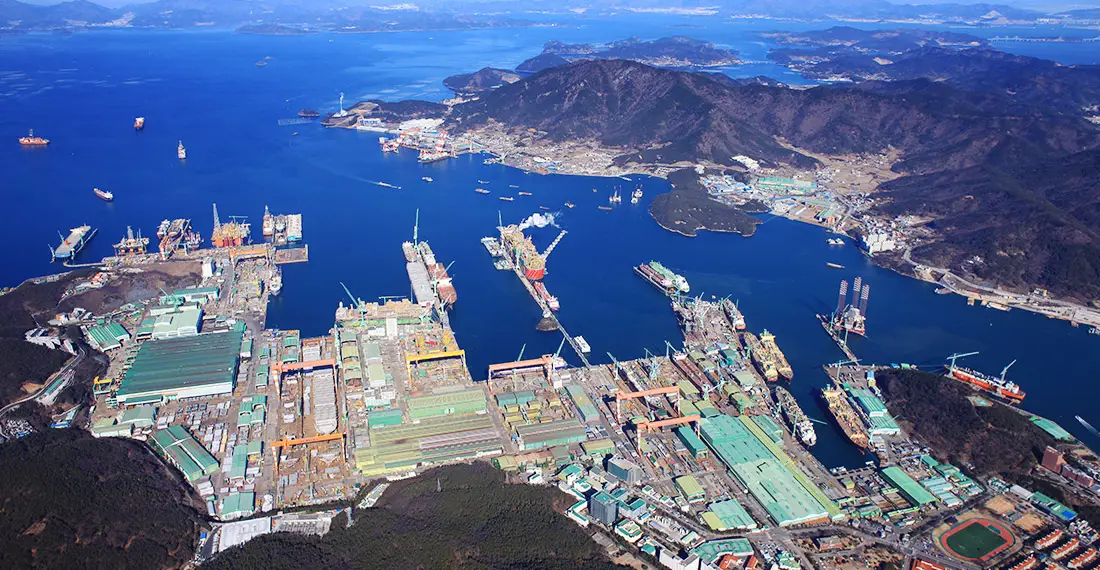
This strategic pivot is designed to reduce the South Korean giant’s longstanding dependence on Chinese shipyard subcontracting. By entrusting the construction of four crude oil carriers to a partner in Vietnam, Samsung is addressing the capacity constraints at its domestic Geoje facility while seeking a more competitive and stable labour environment. This move represents a major milestone in Samsung Heavy Industries Tanker Orders and signals a broader trend of maritime supply chain diversification across the Asian shipbuilding landscape.
Strategic Realignment and the PetroVietnam Partnership
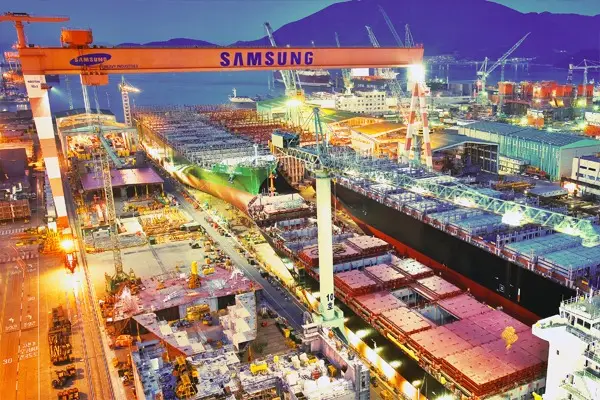
The primary driver behind this relocation is the exhaustion of domestic capacity in South Korea. With Korean shipyards operating at full throttle to meet a global surge in newbuild demand, manufacturers are forced to seek additional production bases abroad. Historically, Chinese yards were the default choice for overflow work due to their scale and proximity. However, rising geopolitical tensions and a desire for greater operational control have prompted a rethink. Samsung’s move to Vietnam is not merely a search for cheaper labor; it is a calculated effort to build a more resilient “global operations” model.
Central to this new strategy is a deepening of the PetroVietnam partnership, specifically through technical cooperation and infrastructure sharing within the Vietnamese shipbuilding industry. Vietnam has spent years upgrading its maritime infrastructure and implementing a National Marine Economic Development Strategy to attract serious international capital.
For Samsung, the move offers several key advantages:
– Access to modern berths and specialized facilities capable of handling large-scale Suezmax tanker orders.
– Mitigation of risks associated with over-concentration in the Chinese market.
– A pathway to maintain high-quality standards while leveraging a more competitive cost structure than South Korean domestic labor.
– Closer alignment with regional trade growth and the expanding Vietnamese energy sector.Operational Impact on Samsung Heavy Industries Tanker Orders
This shift has immediate implications for shipowners and technical managers. By diversifying its production footprint, Samsung can offer more flexible delivery slots for its Samsung Heavy Industries Tanker Orders, which have been increasingly backlogged. However, the move also introduces new layers of technical oversight. Samsung must ensure that its Vietnamese partners adhere to the same rigorous safety and environmental standards mandated by the International Maritime Organization (IMO) and classification societies.
For charterers and logistics providers, this change reflects a shift in the global fleet’s physical origin. While the high-level design and engineering remain South Korean, assembly and localised sourcing in Vietnam could lead to subtle adjustments to spare parts procurement and long-term maintenance cycles. Furthermore, the industry must monitor how insurance providers and financial institutions assess the risk profiles of vessels built under this new subcontracting model, particularly with respect to warranty support and technical compliance in a developing shipbuilding hub.
Future Outlook and Regional Competition
The immediate next step for the industry is the formal execution of these initial Suezmax tanker orders at the designated Vietnamese sites. Analysts will be watching closely to see if Vietnam can consistently meet the high-fidelity output requirements that have made South Korean builders the world leaders in high-value vessel construction. Potential bottlenecks include the need for a rapid upskilling of the local workforce and the continued development of a robust local maritime supply chain to reduce the need for imported components.
Commercial risks also loom as China continues its own aggressive expansion in the shipbuilding sector, often supported by massive state investment and five-year development plans. If Vietnam can prove its reliability through this Samsung partnership, it could spark a larger exodus of high-end manufacturing from China, further cementing Vietnam’s role as a primary alternative in the global maritime hierarchy. The coming months will be a critical test period as the first blocks are laid and the physical reality of this strategic shift begins to take shape on the water.
SHI in Vietnam
Samsung Heavy Industries’ decision to move tanker production to Vietnam marks a definitive break from the industry’s traditional reliance on Chinese subcontracting. By prioritizing maritime supply chain diversification, Samsung is positioning itself to handle sustained demand while navigating a complex geopolitical and economic landscape. As the Vietnam shipbuilding industry matures through these high-level partnerships, the global shipping world will need to adapt to a more decentralized and resilient production model that balances Korean engineering expertise with Vietnamese industrial growth.
Data & Sources
– Korea Trade-Investment Promotion Agency (KOTRA)
– Vietnam Shipbuilding Industry Corporation (SBIC)
– Samsung Heavy Industries Official Investor Relations
