
Strait of Hormuz Tanker Explosion: Naval Mine Incident Escalates Maritime Risks
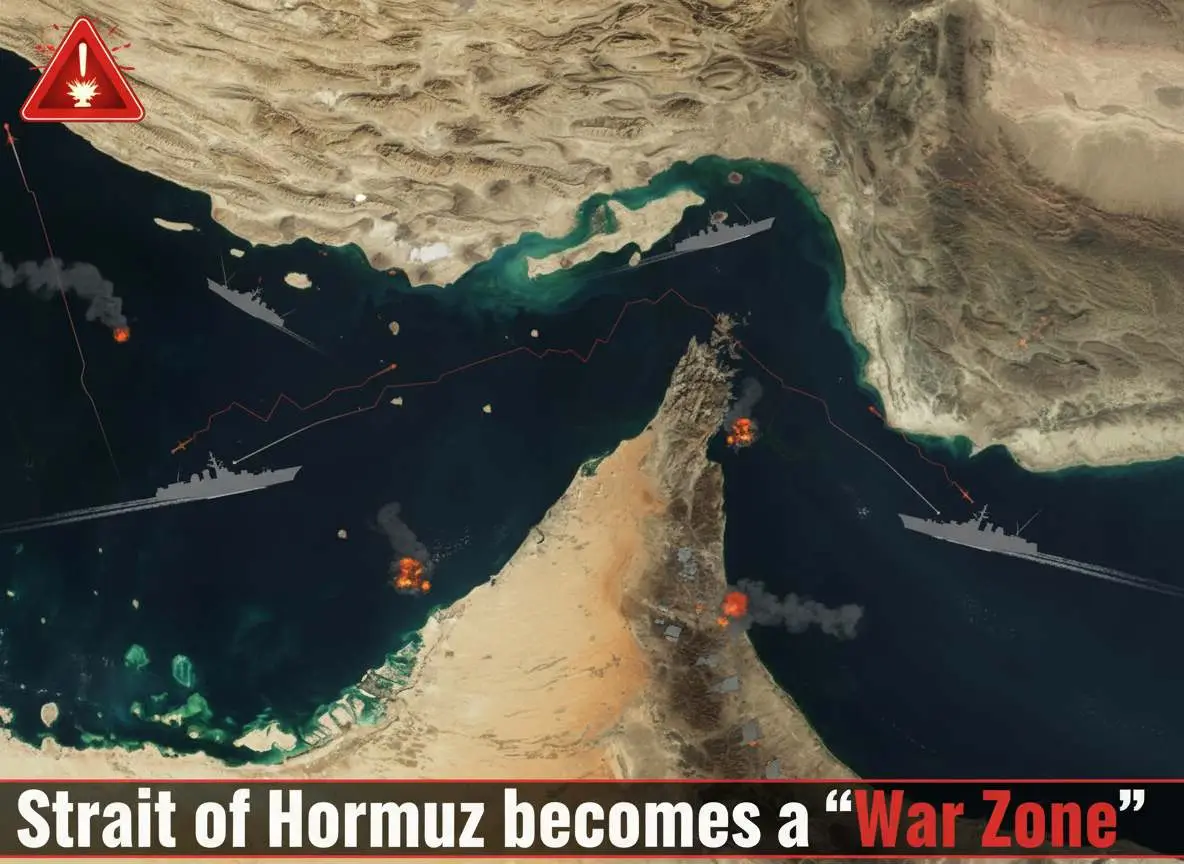
An oil tanker explosion in the strategic waters of the Middle East has sent shockwaves through international shipping lanes. According to Iranian state-affiliated media, the vessel struck a naval mine after departing from the specific navigation corridors mandated by Tehran authorities.
The Strait of Hormuz Tanker Explosion occurs amid a period of severe regional volatility, significantly raising the stakes for commercial fleets transiting one of the world’s most critical energy chokepoints. While early reports indicate that maritime traffic through the waterway remains operational, the incident underlines the immediate dangers confronting international merchant shipping.
The Mechanics of the Incident and Navigational Framework
Commercial shipping operations in the region have grown increasingly complex following strict directives issued by regional authorities. In late June, Tehran announced that passage through the strategic waterway would only be permitted along explicitly designated military routes. The latest oil tanker explosion serves as a stark reminder of the consequences when vessels stray from these tightly monitored shipping lanes. The naval mine threat in these restricted waters introduces a layer of physical risk that completely alters standard passage planning for international operators.
Navigational compliance is no longer just a matter of regulatory protocol; it is now a critical survival factor for crews and assets. The International Maritime Organization and various state ministries continuously monitor these developments to update safety frameworks, yet the enforcement of unilateral routing restrictions creates severe operational friction. When a vessel deviates from these paths—whether due to technical failure, navigational error, or avoidance manoeuvres—it enters unsearched waters where legacy or newly deployed ordnance poses a direct hazard.
Operational Fallout and the Surge in Insurance Risks
The immediate operational impact on shipowners and charterers is substantial, forcing rapid adjustments to daily logistics workflows. Vessels transiting high-risk zones must now implement enhanced security protocols, alter speed profiles, and allocate additional resources to watchkeeping. However, the most immediate commercial pressure is felt in the financial sector, specifically regarding maritime war risk insurance. Because standard marine hull and machinery policies strictly exclude losses arising from conflict, terrorism, or weapons of war, operators must secure specialized add-on coverages.
The maritime war risk insurance market responds almost instantly to incidents of this nature. Insurers are reassessing premium rates for the region, which had already seen significant annual increases over recent years. Shipowners must now navigate several shifting variables:
– Premium Adjustments: Additional premiums are required for each transit through explicitly declared high-risk corridors.
– Enhanced Safety Mandates: Underwriters are requiring strict adherence to designated routing and updated safety declarations before granting coverage.
– Coverage Exclusions: Certain policies may implement tighter restrictions regarding pre-existing conflicts or specific types of structural damage.
– Loss of Hire Claims: Prolonged detentions or operational delays resulting from security disruptions require separate, costly endorsements.These soaring insurance costs directly affect voyage profitability, forcing charterers to weigh the financial penalties of regional transit against the alternative of lengthy and expensive rerouting schedules around the Cape of Good Hope.
Future Outlook and Looming Commercial Bottlenecks
The broader economic consequences of ongoing Strait of Hormuz maritime security challenges threaten to trigger a wider global energy supply disruption. The Strait remains the primary gateway for global crude and liquefied natural gas flows, meaning any prolonged threat to shipping security directly impacts wholesale energy prices worldwide. Previous disruptions to natural gas markets have already pushed up electricity generation costs across Europe and Asia, and further instability could exacerbate these inflationary pressures.
Over the coming months, the maritime industry must closely monitor several impending bottlenecks. If compliance frameworks tighten further, the volume of daily transits could drop significantly, creating backlogs at major loading terminals. Furthermore, the combination of rising fuel costs and surging insurance premiums will inevitably trickle down the supply chain, increasing the final landed cost of essential goods globally. Shipowners must remain vigilant, ensuring absolute adherence to international safety advisories while preparing for a prolonged period of high-cost operations in volatile waters.
The recent oil tanker explosion underscores the fragile reality of modern maritime trade routes. As state actors enforce rigid navigational boundaries and the naval mine threat persists, the international shipping community faces an environment where operational missteps carry catastrophic financial and physical risks. Balancing strict technical compliance with skyrocketing insurance realities will define commercial success in the region for the foreseeable future.
Data & Sources
– International Energy Agency (IEA): Operational updates on global fuel markets, supply disruptions, and energy security statistics.
– Tasnim News Agency & Regional Media Reports: Primary incident reporting regarding vessel movements and regional military directives.
– Global Marine Underwriters Market Analytics: Data concerning hull war risk valuations, premium trends, and maritime risk segmentation.
