

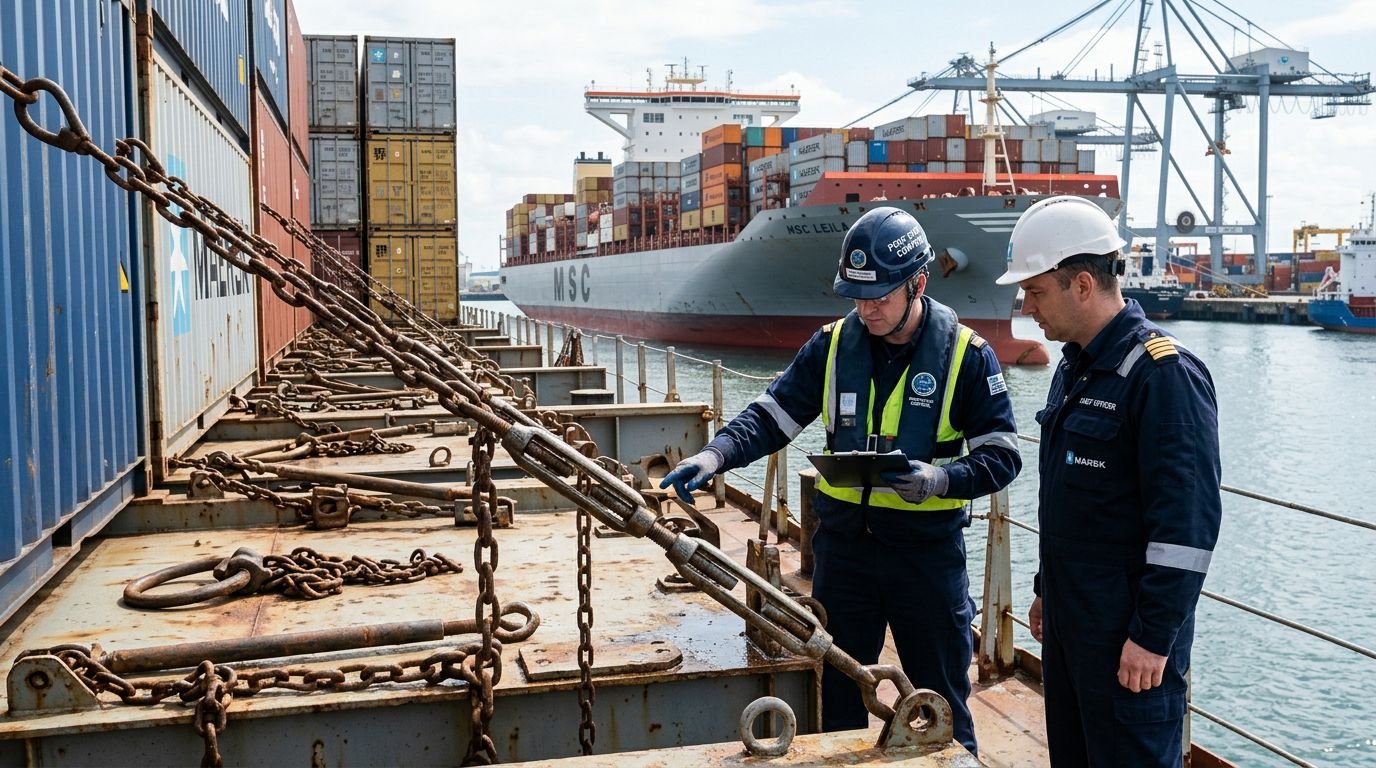
Port State Control Focuses on Cargo Securing: Operators Audit Manuals Ahead of Joint Campaign
Port State Control authorities are launching a major Cargo Securing Inspection Campaign to target vessel lashing arrangements, cargo handling procedures, and onboard documentation. As regional Port State Control inspectors prepare to board commercial vessels, ship operators are proactively auditing their fleets to address potential deficiencies before enforcement begins.
The focus on cargo securing follows a series of high-profile incidents involving lost containers and damaged heavy-lift cargoes in severe weather. International regulators are sharpening their focus on physical securing systems to prevent environmental hazards and protect crew safety during ocean transits.
Regulatory Framework and Motivating Factors
The upcoming Port State Control CIC represents a coordinated effort by major regional regimes to enforce international standards set by the International Maritime Organization (IMO). Grounded in the Safety of Life at Sea (SOLAS) Convention, specifically Chapters VI and VII, the enforcement push checks whether vessels carry and strictly follow an approved Cargo Securing Manual.
Under international maritime safety compliance mandates, every vessel carrying cargo other than solid or liquid bulk must maintain a clear, vessel-specific cargo securing manual* approved by its flag state or recognized organization. In recent years, investigations into cargo loss incidents have highlighted recurring failure points:
– Inadequate or worn lashing gear and twistlocks
– Misaligned container stack weight calculations
– Crew unfamiliarity with specialized securing procedures for heavy or oversized loads
– Failure to maintain proper records of lashing gear maintenance and testingBy joining forces through the Paris MoU Tokyo MoU CIC framework, maritime authorities intend to establish a unified inspection standard across major trading routes, leaving little room for non-compliant vessels to avoid scrutiny.
Operational Impact on Shipowners and Charterers
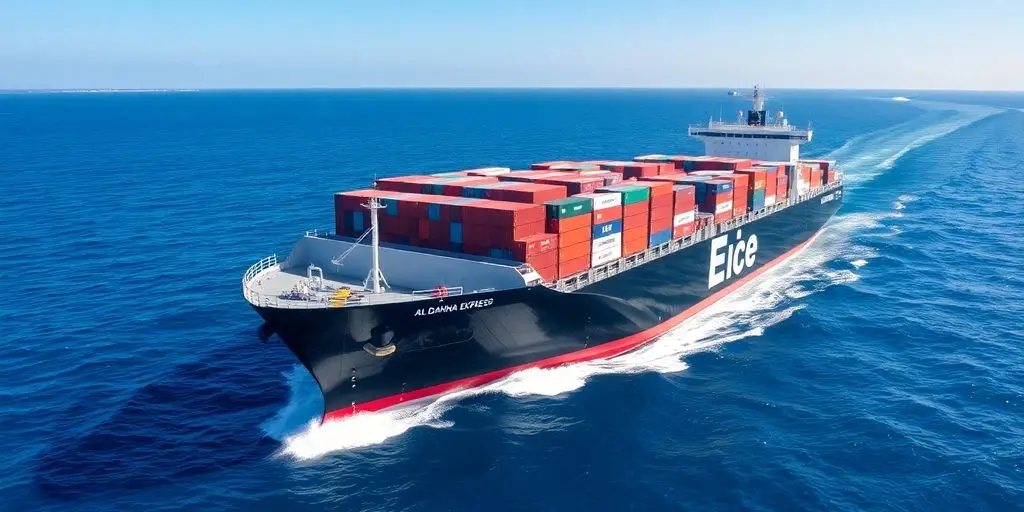
The upcoming inspection drive presents tangible operational and commercial risks for vessel owners, operators, and charterers. A single detention resulting from severe cargo securing deficiencies can stall a vessel’s voyage, lead to missed laycans, and trigger heavy financial penalties under charter party agreements.
To mitigate these risks, technical managers are conducting comprehensive internal audits of Cargo Securing Manual compliance across their fleets. Superintendent engineers and port captains are inspecting onboard hardware, replacing degraded lashing rods, and verifying that all securing gear carries appropriate class certification.
Vessel lashing equipment audit routines are becoming a mandatory step before vessels enter ports governed by participating MoU authorities. Crews are receiving refreshed training on portable securing gear maintenance, stack weight limits, and correct forces applied during heavy seas. Charterers are also taking notice, increasingly requesting verification of recent cargo securing audits before committing to long-term vessel hires.
Future Outlook and Industry Preparedness
As the campaign date approaches, port authorities expect an increase in initial PSC boardings and targeted documentation checks. Inspectors will review cargo stowage plans, check whether portable securing equipment matches the specifications in the manual, and confirm that officers understand how to calculate securing forces for non-standard cargoes.
Shipowners who invest early in crew training, hardware upgrades, and thorough documentation reviews will likely experience routine inspections with minimal downtime. Conversely, operators relying on outdated manuals or neglected lashing hardware face high risks of port detentions, insurance disputes, and long-term reputational damage.
Conclusion
The joint inspection campaign signals a clear enforcement shift toward practical cargo safety and operational compliance. By auditing cargo securing manuals and hardware today, vessel operators can safeguard their crews, protect client cargo, and maintain seamless port turnarounds throughout the upcoming inspection period.
Data & Sources
– International Maritime Organization (IMO) – SOLAS Chapters VI and VII Guidelines
– Paris MoU and Tokyo MoU Joint Secretariat Announcements
What is the Cargo Securing Manual?
is a mandatory, ship-specific document required by SOLAS Chapter VI, Regulation 5, that outlines approved methods, equipment, and principles for safely stowing and securing cargo to withstand sea force