DNV Introduces Digital Twin Service to Enhance Ship Safety and Operational Efficiency
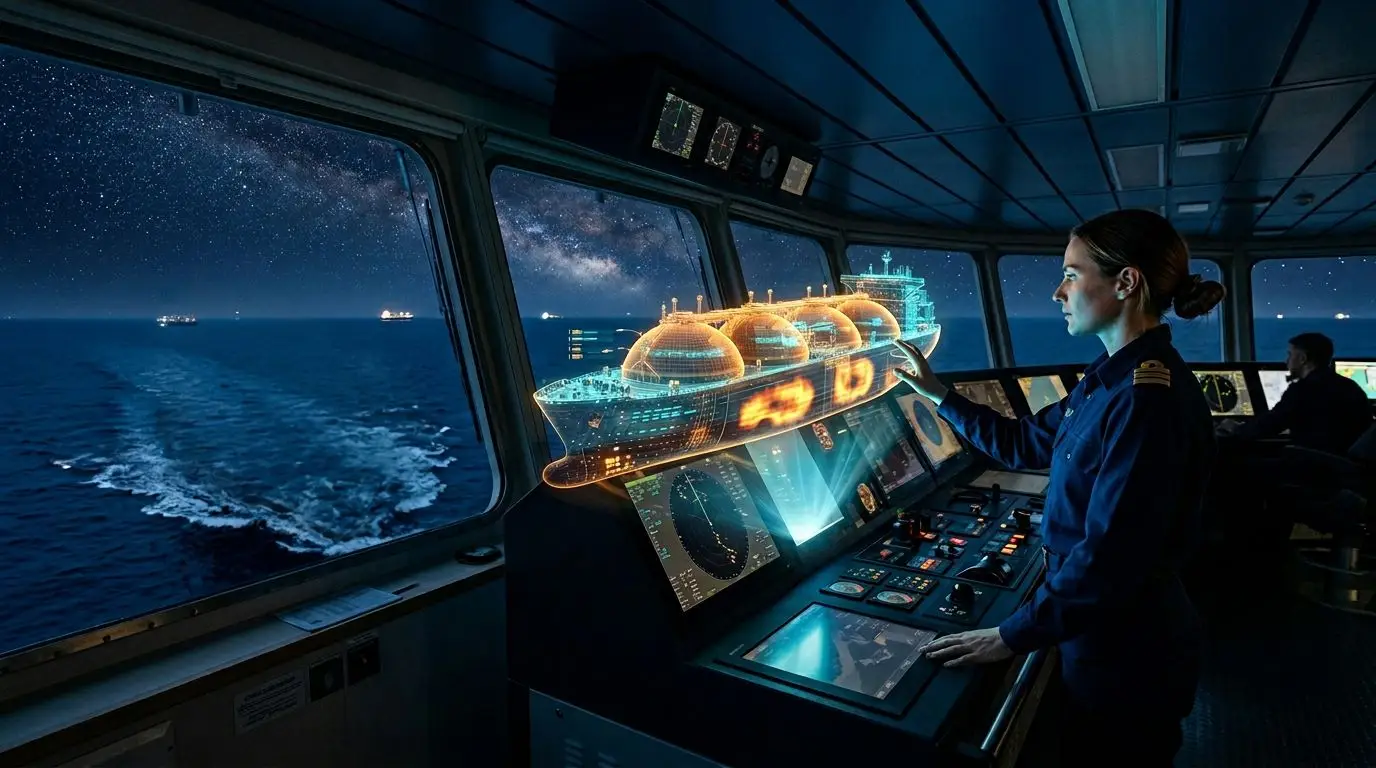
The global shipping industry is entering a transformative era where the boundary between the physical and virtual worlds is disappearing. DNV, a world-leading classification society, has introduced a pioneering digital twin service designed to revolutionise how vessels are managed and maintained. By creating a high-fidelity Maritime Digital Twin, ship owners can now leverage a virtual replica of their assets to gain unprecedented insights into hull integrity and system health. This technological shift is not just about modernization; it is a critical advancement in ensuring the highest levels of maritime safety and reliability.
Revolutionizing Maintenance with the Maritime Digital Twin
The cornerstone of DNV’s new service is the integration of real-time data with advanced simulation models. Traditionally, ship maintenance has been a reactive or scheduled process, often leading to either unexpected failures or unnecessary dry-docking costs. With a Maritime Digital Twin, the industry is moving toward a model of predictive maintenance. This approach uses sensors to monitor structural stress, vibrations, and machinery performance, allowing operators to address potential issues before they escalate into dangerous or costly failures.
By utilizing this virtual avatar, technical teams can visualize the long-term effects of operational stress on the ship’s structure. This is particularly vital for modern maritime careers or challenges where seafarers must manage increasingly complex technical systems under high-pressure conditions. The digital twin serves as a decision-support tool, providing clear, data-driven recommendations that enhance the safety of both the crew and the cargo.
Optimising Vessel Performance Monitoring and Sustainability
Beyond safety, the introduction of digital twin services is a major leap forward for operational efficiency. In a market defined by fluctuating fuel prices and strict environmental regulations, the ability to fine-tune a vessel’s performance is a significant competitive advantage. DNV’s platform enables comprehensive vessel performance monitoring by analysing vast streams of data in real time.
Ship owners can use these insights to:
– Optimise fuel consumption by simulating different routes and speeds.
– Reduce greenhouse gas emissions in alignment with IMO decarbonization targets.
– Extend the service life of critical components through precisely timed interventions.
– Improve supply chain transparency for investors, banks, and insurance providers. This constant flow of information ensures that every decision made on the bridge or in the office is backed by accurate, live data. This level of transparency is essential for meeting modern maritime safety standards and maintaining a resilient fleet in a volatile global economy.
Strengthening Maritime Safety Standards through Digital Innovation
The implementation of digital twins is also reshaping how classification societies like DNV approach safety inspections. By using 3D models and digital data infrastructure, the approval and certification process becomes more streamlined and accurate. Instead of relying solely on physical drawings and manual checks, inspectors can use the digital twin to perform virtual “stress tests” on a vessel’s hull or engine.
This transition to a data-centric model allows for a more holistic view of ship safety. It bridges the gap between design-stage expectations and real-world operational reality. As the industry moves toward more autonomous operations, the Maritime Digital Twin will be the foundation upon which trust and reliability are built, ensuring that even the most advanced vessels adhere to the strictest safety protocols.
Digital innovation by DNV
DNV’s introduction of a specialised digital twin service marks a turning point for the maritime sector. By harmonising predictive maintenance with real-time data analytics, the industry can achieve a level of operational excellence that was previously unthinkable. This technology does more than just save money; it protects lives, preserves assets, and paves the way for a more sustainable future on the high seas. As more operators adopt the Maritime Digital Twin, the “digital co-pilot” will become an indispensable standard for every vessel navigating the complex challenges of 21st-century global trade.