

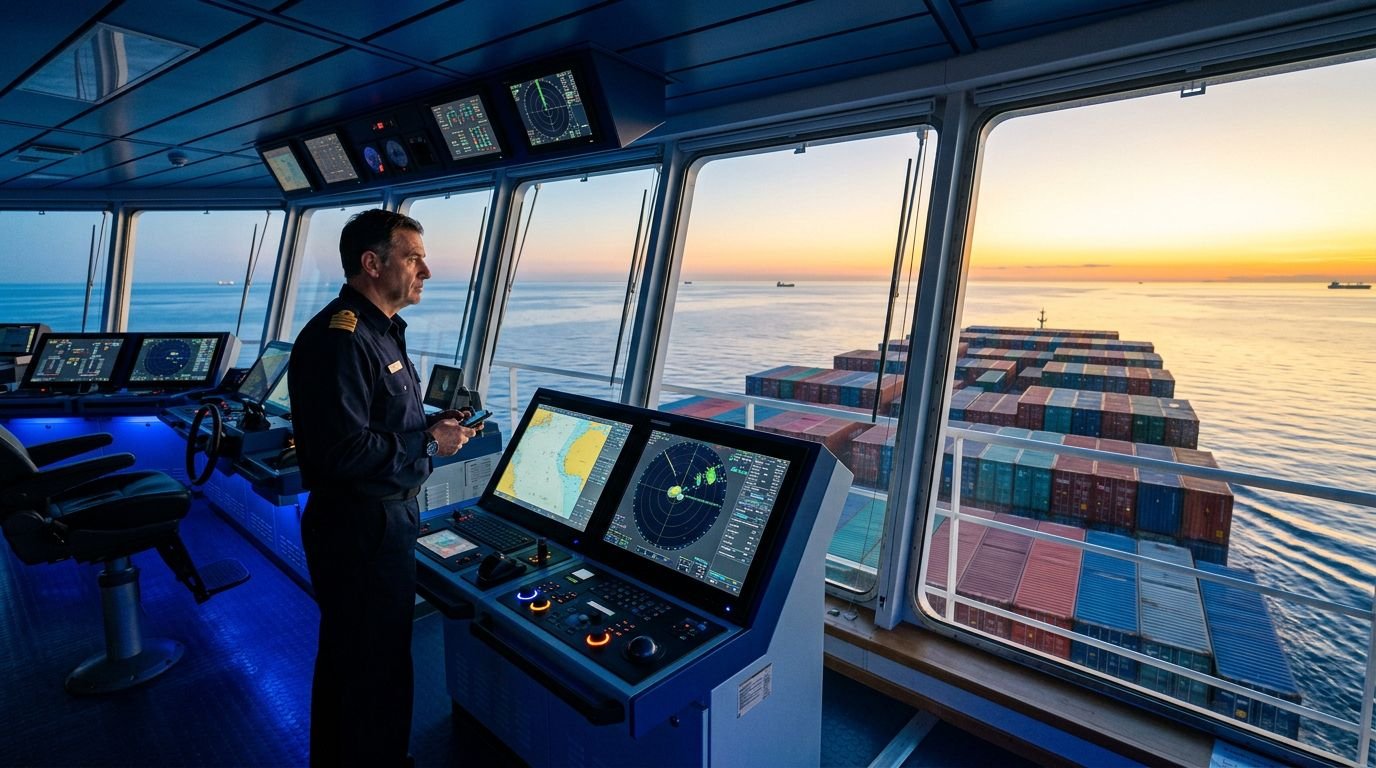
Global Seafarer Shortage: Officer Deficit Threatens World Fleet Operations
The global merchant fleet faces an escalating manpower crisis as the gap between available certified officers and vessel operational needs widens.
According to the BIMCO ICS Seafarer Workforce Report 2026, the maritime industry currently faces an estimated STCW-certified officer deficit of approximately 39,100 qualified personnel.
While the global supply of officers grew by an impressive 22% over the past five years, total maritime workforce demand outpaced training pipelines by surging 35% over the same period.
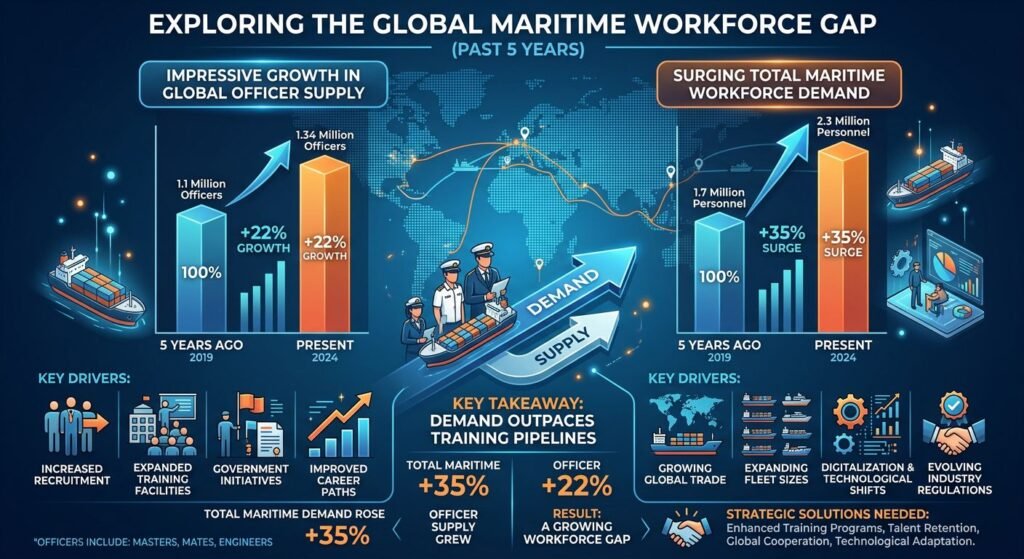
This stark imbalance highlights an intensifying global seafarer shortage that threatens international supply chain stability and vessel safety.
Market Forces and Regulatory Drivers behind the Shortage
The widening discrepancy between crewing supply and demand stems from a rapid expansion of the world fleet alongside increasingly complex regulatory frameworks. Over recent years, trade volume growth and specialized vessel deliveries—including dual-fuel LNG carriers and large container ships—have inflated fleet capacity. At the same time, the International Maritime Organization (IMO) and national maritime authorities have introduced stricter training and certification standards under the Standards of Training, Certification and Watchkeeping (STCW) Convention.
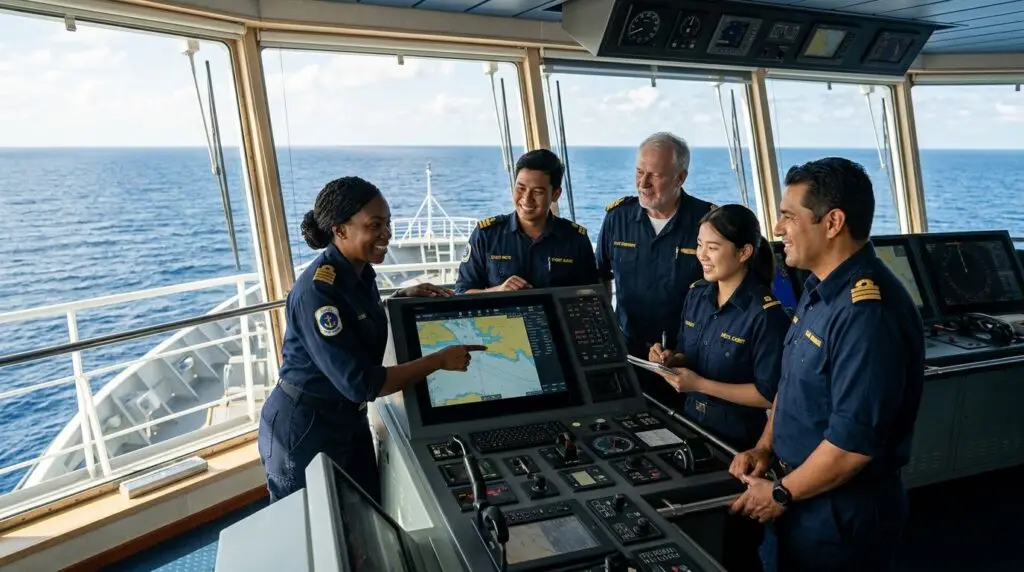
While maritime academies have increased cadet intake, the time required to complete sea time requirements and obtain senior officer licenses creates a significant lag. Moreover, global economic pressure and onboard operational demands have created systemic friction in seafarer recruitment and retention. Senior ranks, particularly technical officers such as chief engineers and electro-technical officers, are experiencing the highest attrition rates as shore-based logistics and renewable energy sectors offer competing career opportunities.
Operational Impacts on Shipowners and Charterers
The practical implications of this shortfall ripple across every sector of commercial shipping. Shipowners and ship managers face escalating crewing expenses, driven by wage inflation and premium retention bonuses required to secure qualified personnel. In many instances, vessel operators are forced to extend contract lengths or alter rotation schedules, raising concerns regarding crew fatigue, mental health, and operational safety.
Key operational challenges currently disrupting fleet workflows include:
– Extended port stay durations due to delays in arranging compliant crew changes and flag-state documentation.
– Elevated technical compliance risks, leading to increased Port State Control (PSC) inspections and potential vessel detentions.
– Higher insurance premiums and charter party friction resulting from crewing non-compliance or officer fatigue-related incidents.
– Reduced flexibility in vessel deployment, restricting shipowners’ ability to capitalize on spot market opportunities.Future Outlook and Evolving Crewing Strategy Trends
Addressing the officer deficit requires a fundamental shift in how ship managers approach crew management and vessel operations. Industry stakeholders must move past short-term recruitment fixes toward long-term retention strategies. Modern crewing strategy trends emphasize improved shipboard internet connectivity, better work-life balance, and clear career progression pathways from sea to shore.
Looking ahead to the coming years, upcoming bottlenecks in decarbonization training will place additional pressure on crewing departments. As vessels adopting alternative fuels like methanol and ammonia hit the water, officers will require specialised safety endorsements, further straining an already tight labour pool. Shipowners who fail to invest in continuous training and comprehensive welfare initiatives risk severe operational disruptions and reduced market competitiveness.
Conclusion
The 2026 workforce figures clearly demonstrate that vessel growth without parallel investments in human capital is unsustainable. Mitigating the officer shortfall requires coordinated action between international governing bodies, training institutes, and ship operators to ensure that seafaring remains a viable, attractive career. Without structural reforms in crewing practices, the shipping industry will continue to struggle against a constrained talent pipeline.
Data & Sources
– BIMCO (Baltic and International Maritime Council)
– International Chamber of Shipping (ICS)
– International Maritime Organization (IMO)