

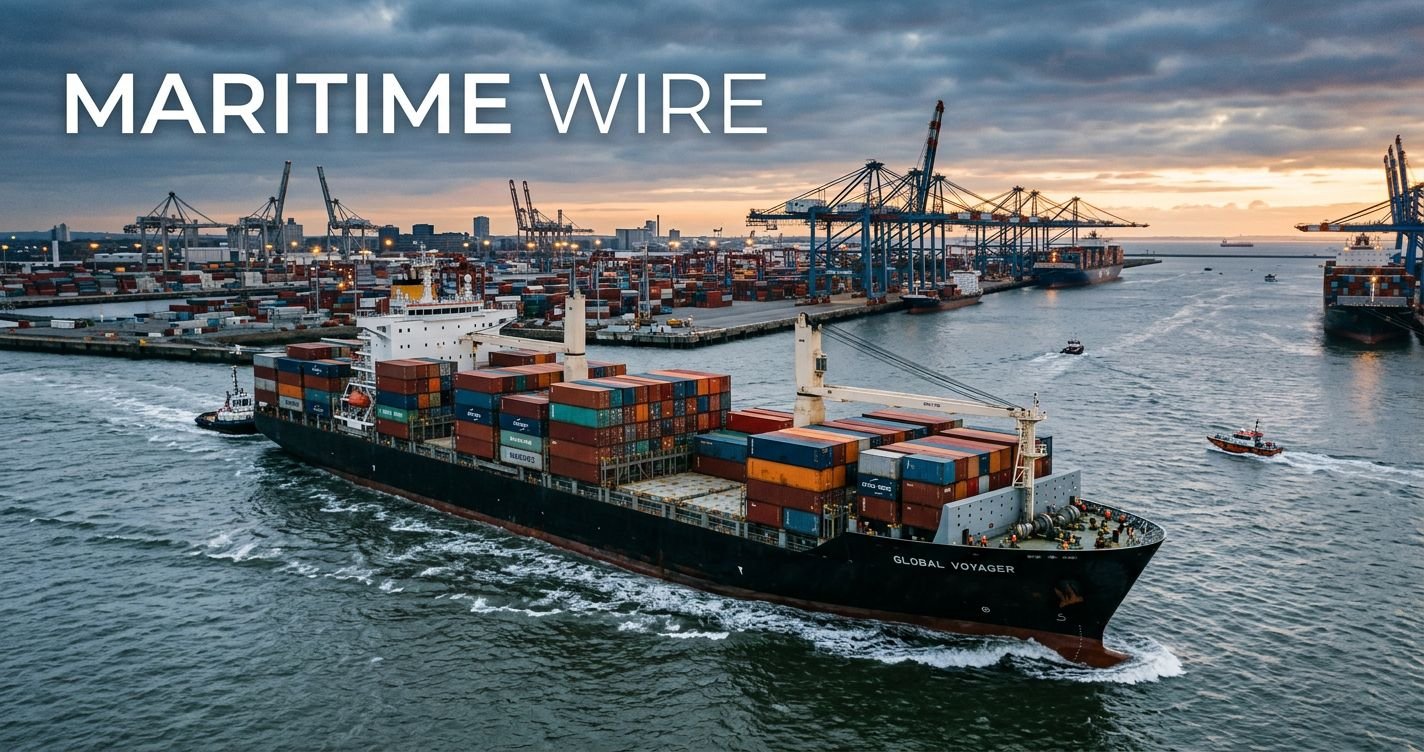
Two Tankers Struck in Strait of Hormuz as Regional Maritime Risks Escalate
Commercial shipping in the Middle East faces heightened disruption following recent **Hormuz Tanker Attacks**, which left at least two seafarers injured. The incidents highlight growing **Maritime Security Threats** impacting critical chokepoints and raising concerns over **Oil Tanker Safety** in the region.
According to reports from the United Kingdom Maritime Trade Operations (UKMTO) and maritime security databases, an unidentified projectile struck a commercial tanker entering the Strait of Hormuz above the waterline. The impact caused minor structural damage and injured two crew members. Despite the damage, the vessel remained operational and proceeded under its own power.
In a separate report, security analysts noted that the Liberia-flagged LPG carrier *Al Maryah*, operated by ADNOC L\&S, was targeted by an unmanned aerial vehicle (UAV) while transiting eastbound near the Strait of Hormuz. All 19 crew members aboard the *Al Maryah* were reported safe following the strike.
The Joint Maritime Information Center (JMIC) continues to classify the threat level across **Strait of Hormuz Shipping** routes as “SEVERE,” citing ongoing surveillance, drone overflights, and VHF hailing in the area.
The renewed attacks occur against the backdrop of an escalating **Middle East Maritime Conflict**, which has significantly reduced commercial traffic. Data from maritime tracking services indicates that visible vessel transits through the Strait have dropped sharply compared to historical averages, with many shipowners electing to hold positions outside the chokepoint or divert vessels entirely.
Maritime security organizations have urged vessel masters operating in the area to implement Level 2 ISPS security protocols, step up lookouts, close selected doors to preserve hull integrity, and maintain close coordination with naval reporting authorities and marine insurers.
While naval forces continue to assist merchant vessels transiting the region, divergence between commercial tracking figures and official military escort data points to persistent uncertainty for operators. For tanker owners and charterers, the ongoing hostility is expected to drive up war risk premiums and further strain global energy supply chains passing through the Gulf.