

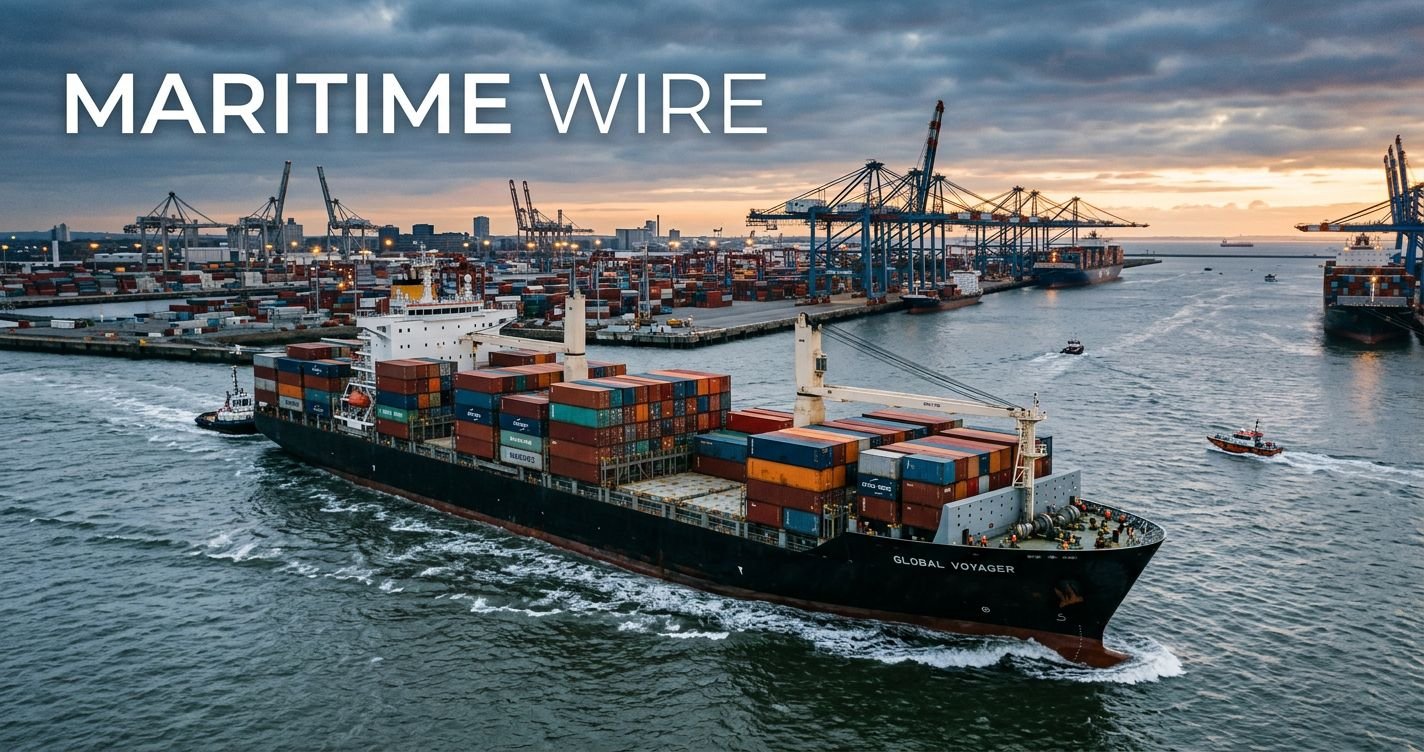
Saudi Crude Oil Exports Increase via Gulf Terminals Following Pipeline Disruptions
Saudi Arabia has accelerated crude oil exports through its Middle East Gulf terminals after recent pipeline disruptions, according to vessel tracking and shipping data. State energy producer Saudi Aramco loaded approximately 14 million barrels of crude oil onto seven Very Large Crude Carriers (VLCCs) inside the Gulf on Sunday, mitigating export losses from alternative routing networks.
Shift to Gulf Export Logistics Following Infrastructure Strike
The surge in crude oil loadings inside the Gulf comes in response to a drone attack on Saudi Arabia’s East-West pipeline. The attack forced the temporary shutdown of the cross-country pipeline and halted crude loadings at the Yanbu export terminal on the Red Sea. To offset the loss of Red Sea terminal access, Aramco adjusted its supply logistics by cancelling select crude sales to European buyers while expanding deliveries to Asian markets via Persian Gulf loading hubs.
Data from maritime intelligence provider TankerTrackers.com confirmed heightened tanker activity near Saudi Arabia’s primary eastern export facilities, including the Ras Tanura terminal. To further manage regional transport and chokepoint risks, trade sources report that Saudi Arabia has arranged for roughly 60 million barrels of crude to be transferred ship-to-ship (STS) off the port of Sohar in Oman across this month and next.
Impact on Mideast Gulf Shipping and Global Energy Markets
The return of heavy VLCC oil tankers loading within the Gulf has partially eased global supply concerns. Following news of increased Saudi export volumes, international benchmark Brent crude futures dropped below $100 per barrel, reversing recent price spikes caused by the initial pipeline closure.
However, adjusting Mideast Gulf Shipping routes introduces added complexity and operational expense for tanker operators and charterers. Relying heavily on Gulf terminals requires vessels to navigate the Strait of Hormuz, where elevated security risks continue to drive up war-risk insurance premiums and complicate fleet scheduling.
Operational Significance
For shipowners, energy traders, and marine underwriters, the rapid reallocation of Saudi Crude Oil Exports highlights both the flexibility and vulnerability of Middle Eastern energy logistics. While ship-to-ship transfers and increased Gulf terminal loadings temporarily bridge the supply gap caused by Red Sea disruptions, sustained operational stability will depend on the timeline for repairing the East-West pipeline and the security environment along key maritime transit corridors.