

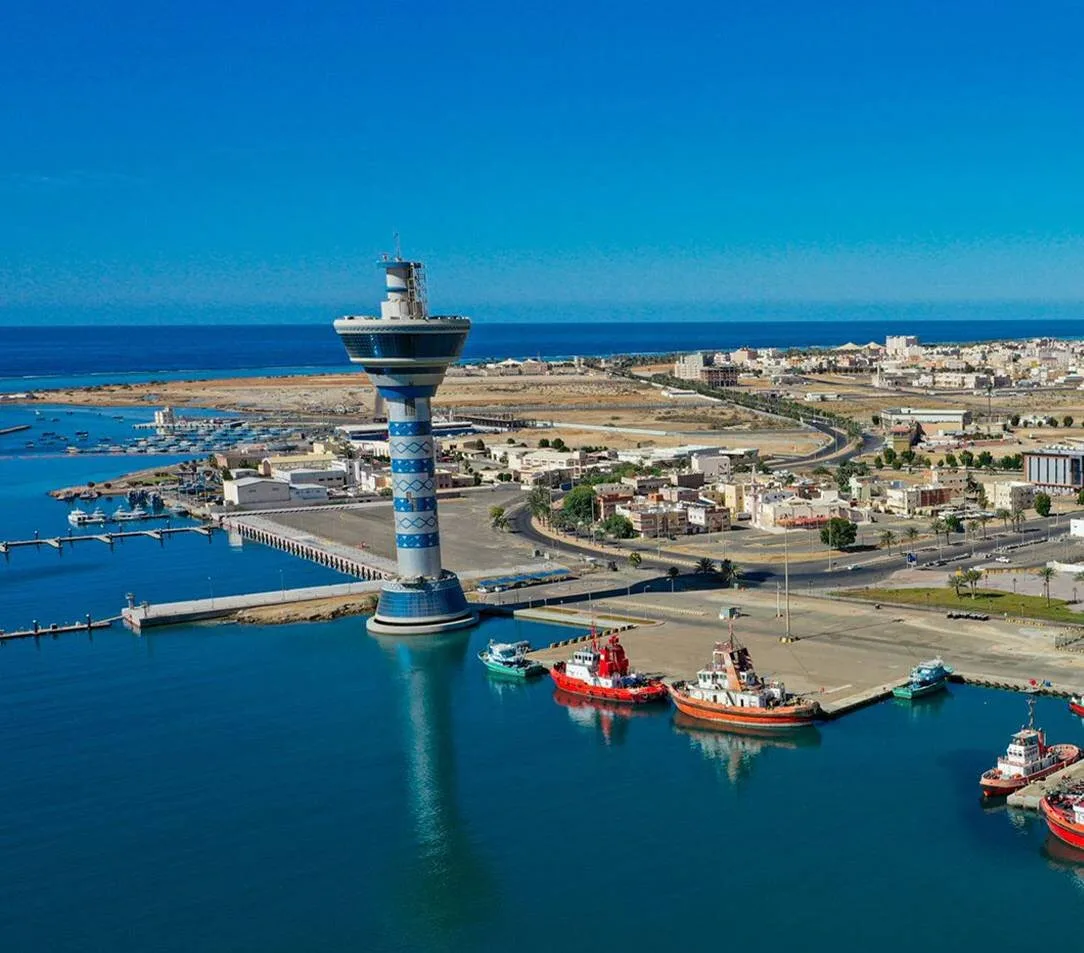
Saudi Arabia’s Oil Gateway Under Fire: The Strategic Implications of the Yanbu Port Houthi Attack
Yemen’s Houthi group has launched drone attacks targeting key facilities along Saudi Arabia’s crude oil supply route to the Red Sea port of Yanbu.
This recent Yanbu Port Houthi Attack directly threatens the kingdom’s primary alternative energy corridor, designed to bypass the volatile Strait of Hormuz. As the Red Sea shipping crisis deepens, the targeting of this critical western gateway exposes fundamental vulnerabilities in global energy logistics and raises fears of a severe global oil supply disruption.
The Strategic Role of the Saudi East-West Pipeline
Saudi Arabia has heavily relied on its 1,200-kilometer East-West Petroline to pump crude from its eastern fields directly to the Yanbu export hub on the Red Sea.
This pipeline network, which has reached its full operating capacity of 7 million barrels per day, serves as the ultimate logistical safety valve for global markets. By moving hundreds of millions of barrels overland, Riyadh successfully insulated a massive portion of its exports from naval blockades and tanker harassments in the Arabian Gulf. However, as Houthi maritime threats expand beyond traditional waters into inland infrastructure, the viability of this land-based detour is being severely tested. Recent drone strikes near major hubs like the Abqaiq refinery underscore that midstream transit assets remain highly exposed, despite advanced defense screening.
Operational Fallout and Yanbu Commercial Port Security
The escalation has immediately reverberated across the maritime logistics chain, forcing shipowners, charterers, and energy analysts to re-evaluate regional risks.
While the port of Yanbu has historically represented a safe haven, the introduction of direct threat vectors alters insurance premiums and vessel routing protocols.
Key operational impacts observed across the industry include:
– Reduced Transit Volumes: Commercial data shows a sharp drop in commodity vessels passing through the Bab el-Mandeb strait, reaching some of the lowest daily volumes recorded in months.
– Skyrocketing Freight and Insurance Costs: The heightened risk environment has driven physical crude cargo prices in the Middle East and Europe to multi-month highs, heavily impacting spot chartering rates.
– Re-routing Decisions: Mainstream container lines and tanker operators are increasingly bypassing the Red Sea entirely, opting for the lengthy voyage around the Cape of Good Hope despite the added 10 to 14 days of transit time. To counter these disruptions, local authorities are drastically upgrading Yanbu commercial port security, relying on regional defense arrays, including Patriot missile systems, to intercept inbound drones and protect critical terminal loading berths.
Commercial Frameworks and Future Energy Outlook
The ongoing friction highlights a structural deficit in global energy infrastructure. The International Maritime Organization (IMO) and state energy ministries are closely monitoring the commercial gridlock, as prolonged disruption threatens to trigger broader macroeconomic inflation. While Saudi Arabia’s East-West pipeline can handle substantial volumes, it lacks the ultimate flexibility to fully replace the total flow traditionally routed through major maritime chokepoints. Over the coming months, the industry faces severe bottlenecks as seasonal demand spikes clash with restricted vessel availability and rigid risk compliance mandates.
The targeting of Yanbu demonstrates that traditional maritime bypasses are no longer completely insulated from asymmetrical conflicts. As Houthi maritime threats merge with broader regional instability, securing land pipelines and western Red Sea ports will determine the equilibrium of global energy markets. For international operators, navigating this crisis requires an enduring shift toward robust risk management, elevated security compliance, and dynamic logistical flexibility.
Data & Sources
– International Maritime Organization (IMO)
– Kpler Shipping Data
– S\&P Global Commodity Insights
