

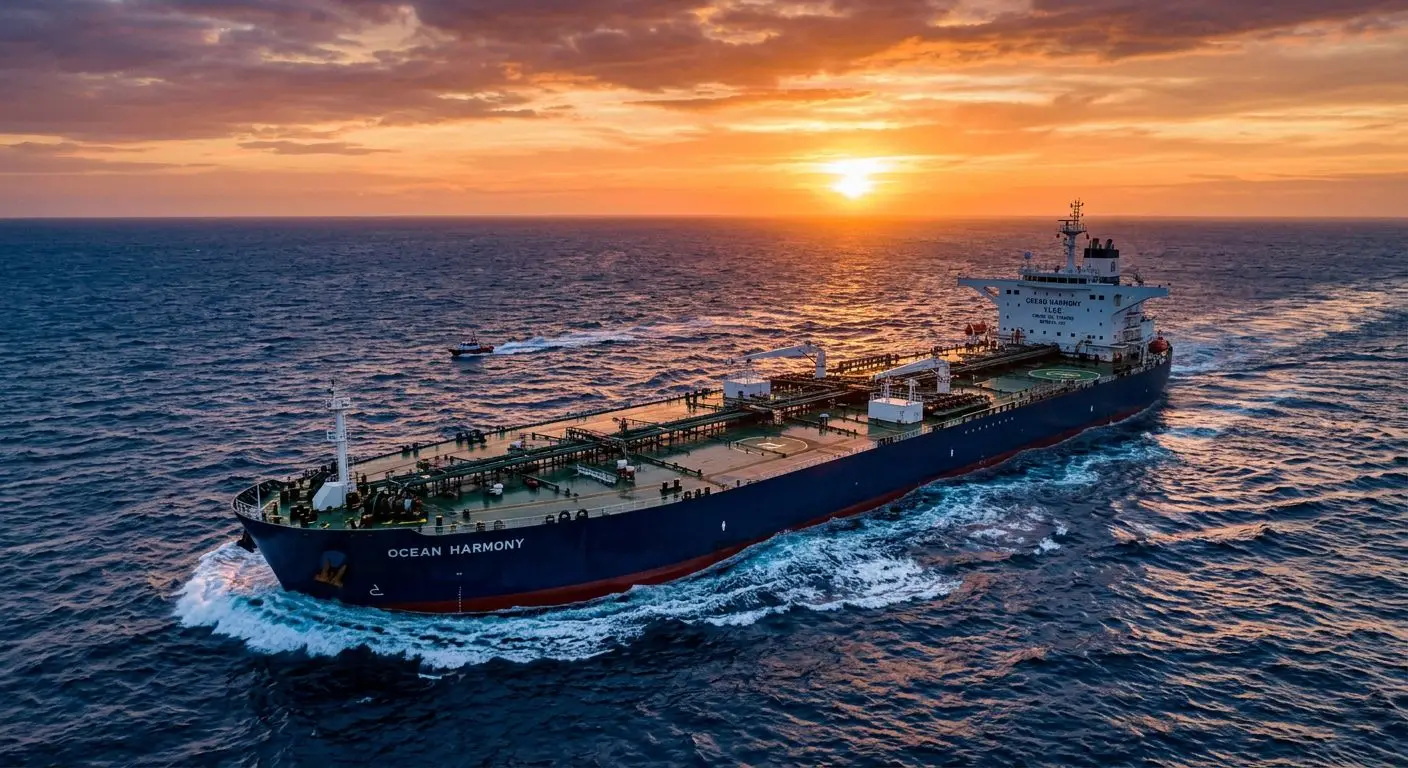
Shipping activity through the Strait of Hormuz is showing signs of recovery following a period of erratic navigation. After several tankers abruptly altered their course or bypassed the energy corridor late last week, traffic patterns appeared more stable on Sunday.
Observations confirm that six oil and gas tankers successfully navigated the route along the Omani coastline. While this indicates a return to standard transit lanes, these figures represent only the visible portion of the fleet. A significant number of vessels continue to transit the region with their Automatic Identification Systems (AIS) disabled to avoid detection. An additional two small product tankers were tracked exiting the Persian Gulf, opting for a path closer to the Iranian shore.
Why the Strait Matters
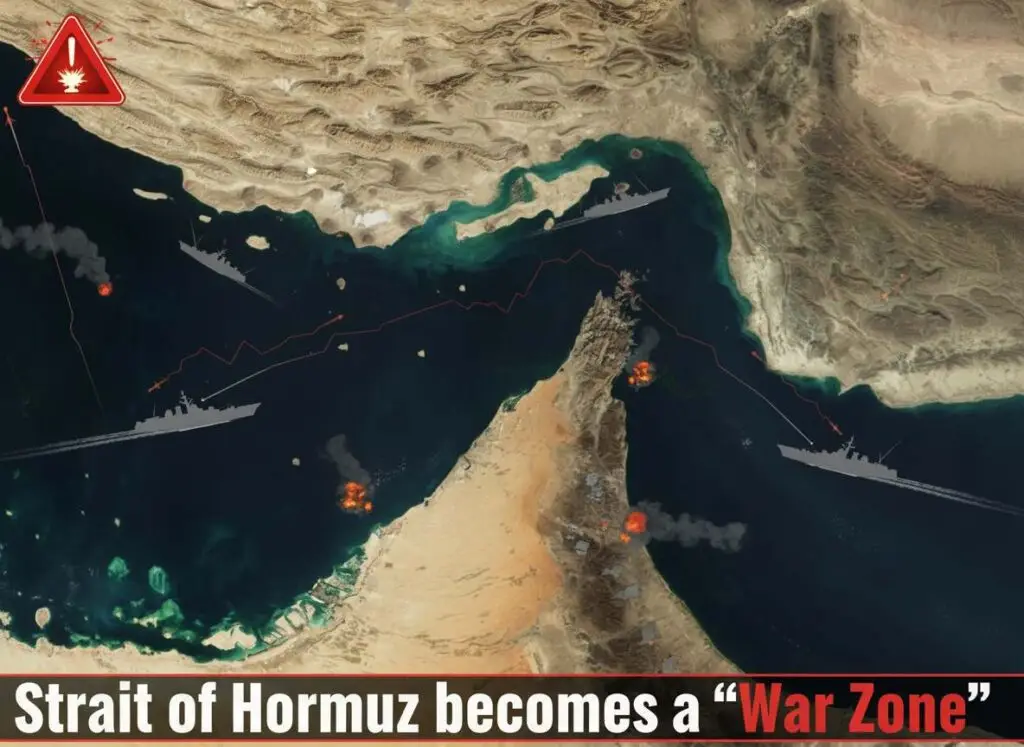
The Strait of Hormuz remains the world’s most critical energy chokepoint. Under normal conditions, approximately 20% of global petroleum liquids consumption—roughly 20 million barrels per day—passes through this narrow passage. It also accounts for about 20% of the world’s liquefied natural gas (LNG) trade. Because nearly 90% of the crude and condensate moving through the Strait is destined for Asian markets, any disruption here has an outsized impact on global energy prices and supply security.
Tactical Shifts and “Dark” Transits
The market remains highly sensitive to movement through this critical chokepoint as operators attempt to balance route efficiency with the need to avoid Iranian military interference. Key observations from the weekend include:
- Course Corrections: Between Friday and Saturday, at least eight vessels were observed turning back while navigating the Omani coastal route. Four of these later adjusted their trajectory toward the Iranian side of the Strait to complete their transit.
- Attempted Re-entries: At least one product tanker that initially turned back made a renewed transit attempt on Sunday, rounding the tip of Oman’s Musandam Peninsula.
- Volume Metrics: According to Kpler data, 19 vessels moved through the Strait on Saturday, though only one openly signaled its intent to use the Omani-side route. This follows a Friday session that recorded 13 such transits.
These figures remain fluid. Final tallies are expected to be revised upward as analysts confirm additional “dark” transits—vessels moving through the corridor while maintaining radio silence.
Iran-Qatar Trade Resumes
Beyond the immediate transit data, there are signs of broader regional cooling. Iran and Qatar have officially resumed maritime trade, ending a five-month suspension. The move was confirmed by the Iranian commercial attaché in Doha, signalling a potential move toward normalised commercial operations in the region.
