

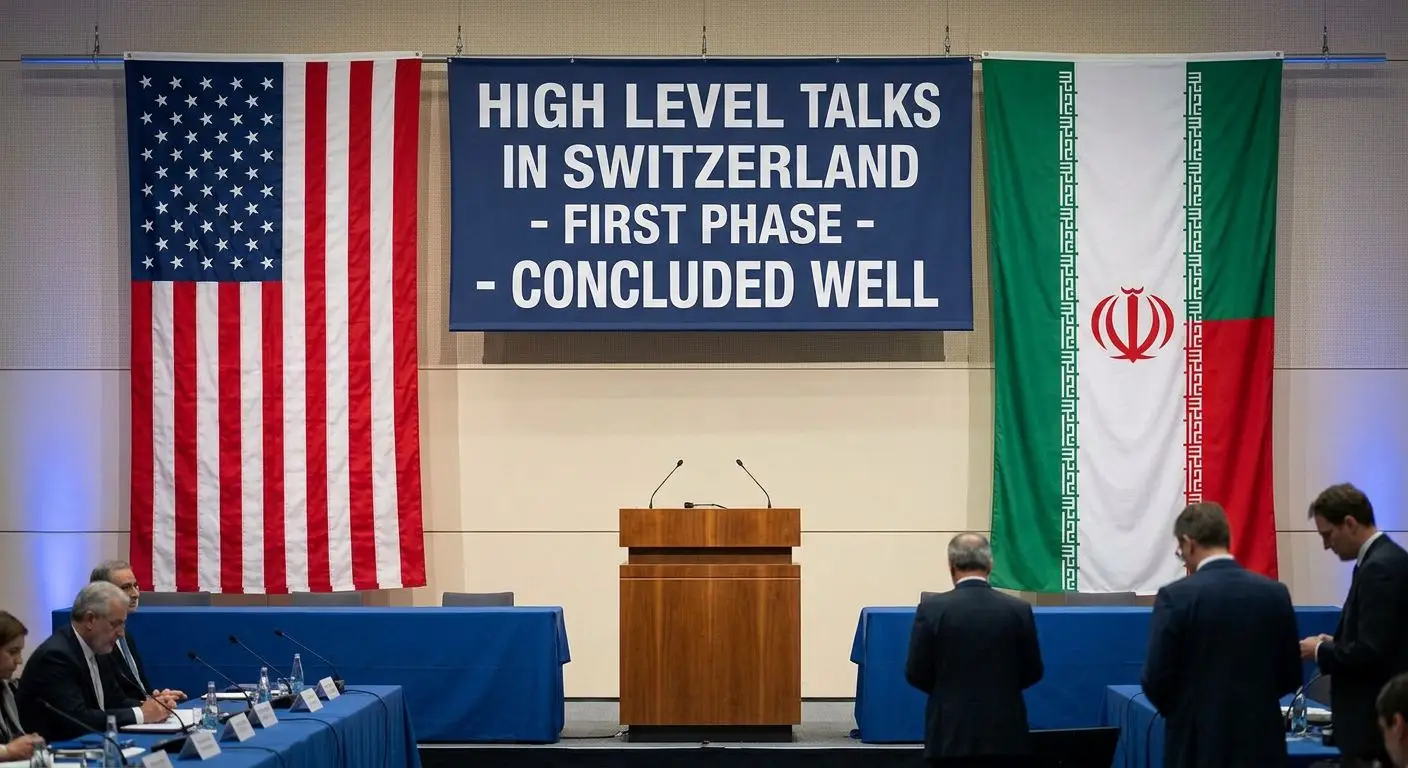
US-Iran Switzerland Talks Conclude with Tentative Path Toward Stability
High-ranking American and Iranian officials concluded a critical round of diplomatic negotiations in Buergenstock, Switzerland, on Monday, June 22, 2026. The US-Iran talks in Switzerland, led by Vice President JD Vance, aimed to establish a peace deal to end the fighting and secure a ceasefire.
While mediators from Qatar and Pakistan facilitated the discussions, the session ended with delegations suspending talks for further internal consultations. This diplomatic push follows the collapse of previous nuclear and ceasefire agreements, which had recently escalated into a significant naval blockade of Iranian ports by the United States.
Commercial Framework and the Drive for De-escalation
The commercial mechanics driving the Switzerland peace talks are rooted in the massive economic disruption caused by the recent US naval blockade. By intercepting and seizing vessels entering or leaving Iranian ports, the US effectively threatened to cut off roughly 2 million barrels per day of Iranian crude exports. This aggressive use of market-based regulation was designed to force a return to the negotiating table by targeting Iran’s primary source of foreign revenue.
The current diplomatic framework operates under a US-Iran memorandum of understanding reached just last week. This document established a tentative 60-day window for negotiators to address the core issues of the Middle East conflict mediation. While the specifics of potential Iran sanctions relief remain under wraps, the primary goal for international regulators and state ministries is to restore the predictable flow of energy through the region.
Operational Impact on Global Shipping and Logistics
The results of the recent US-Iran talks in Switzerland have immediate implications for shipowners and charterers navigating a high-risk environment. The blockade of Iranian ports and the ensuing tension in the Strait of Hormuz—a crucial maritime chokepoint—have compelled many operators to make significant changes to their shipping routes. For those still operating in the region, insurance premiums have surged due to the heightened risks of vessel seizure or armed conflict.
Technical compliance has also become a major hurdle. The US Treasury and other regulatory bodies imposed strict oversight, requiring carriers to conduct exhaustive due diligence to ensure they have no links to sanctioned Iranian entities. The conclusion of the first round of high-level talks in Switzerland offers a potential reprieve, as oil prices turned lower following reports of good progress. However, until a formal deal is finalised, logistics workflows remain hampered by:
– Constant monitoring of shifting naval exclusion zones and blockade parameters.
– Escalating costs for specialized maritime security and high-risk cargo insurance.
– Significant delays in port calls due to enhanced inspection protocols by US naval forces.
– Complex legal vetting of ship registries and ownership structures to avoid sanctions.The Industry Outlook for US-Iran Switzerland Talks
As the delegations return home for consultations, the maritime industry must prepare for continued volatility. While the initial 80-minute session in Switzerland showed “good progress,” a final pact to end the conflict is not yet guaranteed. The immediate next step involves a second round of high-level meetings, potentially reviving broader Geneva nuclear negotiations that have been stalled for years.
Upcoming issues include the technical details of monitoring Iranian exports and the specific timeline for lifting maritime restrictions. Commercial risks remain high; if the 60-day negotiating window expires without a breakthrough, the US has indicated it will further widen its naval blockade. Stakeholders must monitor state media and official briefings from Swiss mediators closely over the coming months to adjust their regional strategies.
The conclusion of high-level talks in Switzerland marks a fragile but necessary pivot toward diplomacy in a region on the brink of total maritime shutdown. While the naval blockade continues to exert pressure, the engagement of high-ranking officials such as J.D. Vance suggests a serious effort toward mediating the Middle East conflict. For the global shipping industry, the path forward depends on whether this US-Iran memorandum of understanding can evolve into a lasting agreement that secures the world’s most vital energy corridors.
Data & Sources
– US Department of the Treasury (OFAC)
– Swiss Federal Department of Foreign Affairs (FDFA)
