

Are the U.S. and Iran Closer to a Deal Than We Think? Inside the Quiet Signals of a Possible Breakthrough
The global maritime community and energy markets are watching with bated breath as whispers of a potential US-Iran Peace Deal begin to circulate through high-level diplomatic circles. While public rhetoric remains sharp, there are growing signs that both Washington and Tehran are seeking a way out of the current stalemate.
The stakes could not be higher; a breakthrough would not only stabilise global oil prices but also restore safety to one of the world’s most critical shipping arteries. Understanding these quiet signals is essential for stakeholders across the supply chain.
US-Iran Peace Deal: The Strategic Importance of Strait of Hormuz De-escalation
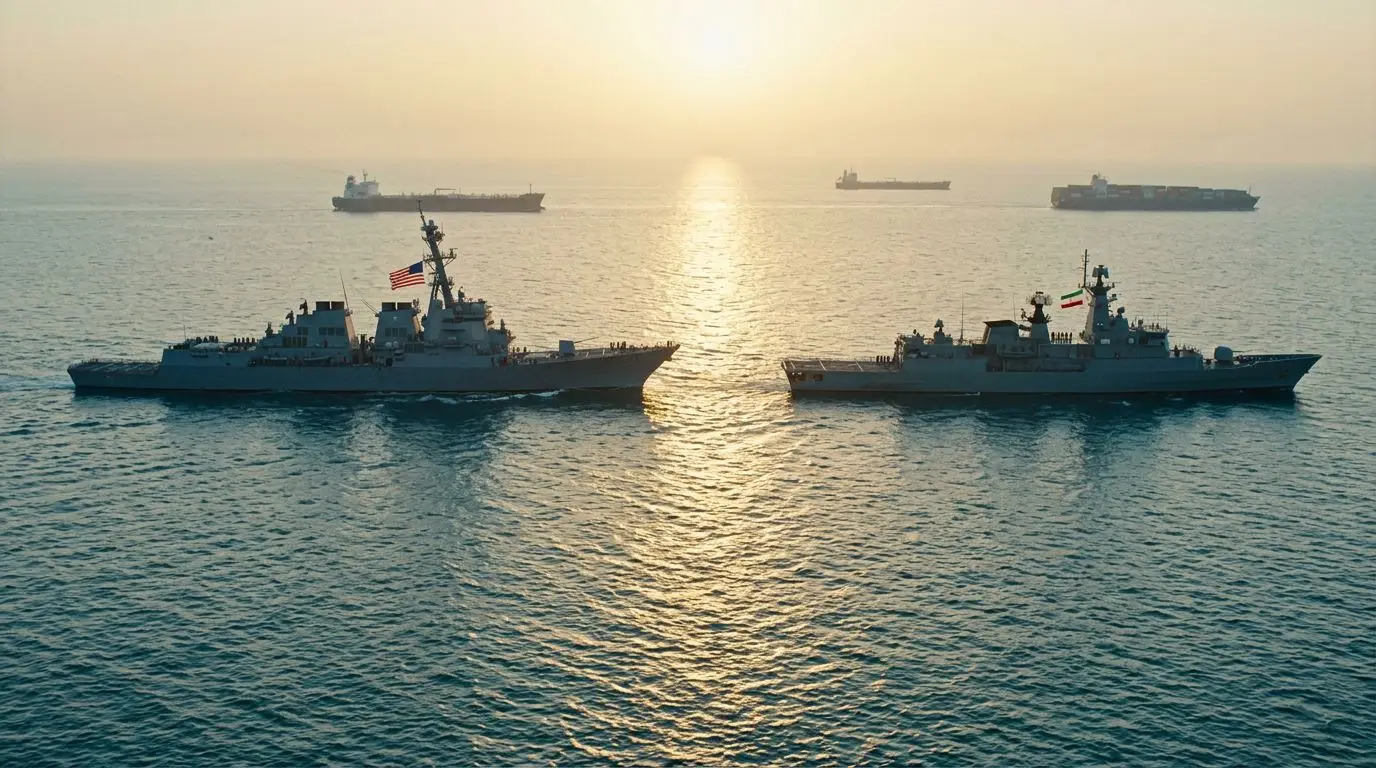
A central pillar of any emerging agreement is the de-escalation in the Strait of Hormuz. Currently, the waterway is subject to a complex “dual blockade” and heightened naval tensions, which have led to a plummet in traffic and soaring insurance premiums.

Experts suggest that a phased reopening of the strait is under discussion, allowing commercial vessels to resume transit in a monitored environment.
For the shipping industry, the current volatility represents one of the most significant maritime challenges in recent history. Restoring predictability to the Persian Gulf is not just an economic necessity; it is a matter of safety for the thousands of seafarers currently caught in the crossfire of geopolitical manoeuvres.
Breaking the Deadlock: Nuclear Enrichment Limitations and Sanctions Relief
The most difficult hurdles remain the technical specifications regarding nuclear activities and the economy. Recent reports through diplomatic backchannels suggest that negotiators are exploring a “narrow deal” that prioritises immediate relief over a total grand bargain.
Key components of these sensitive discussions include:
– Nuclear Enrichment Limitations: Proposals suggest a cap on enrichment levels and a possible transfer of highly enriched stockpiles to third-party countries like Russia or China.
– Sanctions Relief Sequencing: A major sticking point is the order of operations. Iran seeks immediate access to frozen assets, while the U.S. insists on verifiable nuclear concessions first.
– Monitoring and Verification: Enhancing the role of international inspectors to provide the transparency needed to build trust between the two sides.Establishing a New Maritime Security Framework
Beyond the immediate ceasefire, long-term stability requires a robust maritime security framework. This would ideally involve a multilateral agreement that clarifies the rights of passage through the Strait of Hormuz and reduces the risk of accidental military engagement.
Industry leaders are advocating for a system that adheres strictly to international law and the United Nations Convention on the Law of the Sea (UNCLOS). By formalising navigation protocols and coordination with regional navies, the international community can ensure that commercial shipping remains insulated from future political disputes.
Such a framework would provide the “gold standard” for safety that global trade requires to function efficiently.
The Peace Deal
While a US-Iran Peace Deal is far from guaranteed, the recent shift toward mediation via Pakistan and the interest shown by China indicate a shift in momentum.
The road to peace is paved with technical complexities, from nuclear physics to complex financial lashing, but the alternative—prolonged conflict—is increasingly untenable for the global economy. As we look toward the second half of 2026, the quiet signals of today may well become the historic headlines of tomorrow, ushering in a much-needed era of stability in the Middle East and on the high seas.