
Navigating the Surge: Why Tanker Freight Rates Remained at Historic Highs in April 2026
The global energy landscape is currently defined by unprecedented volatility, and the maritime sector is at the very centre of this storm.
Throughout April 2026, Tanker Freight Rates remained exceptionally high, continuing a trend of historic peaks that has reshaped the economics of oil transportation. While some market analysts expected a correction following the initial shocks of the Middle East conflict, the reality at sea tells a different story.
A combination of restricted chokepoints, shifting trade routes, and tight vessel supply has kept the market firm, creating a high-stakes environment for shipowners and charterers alike.

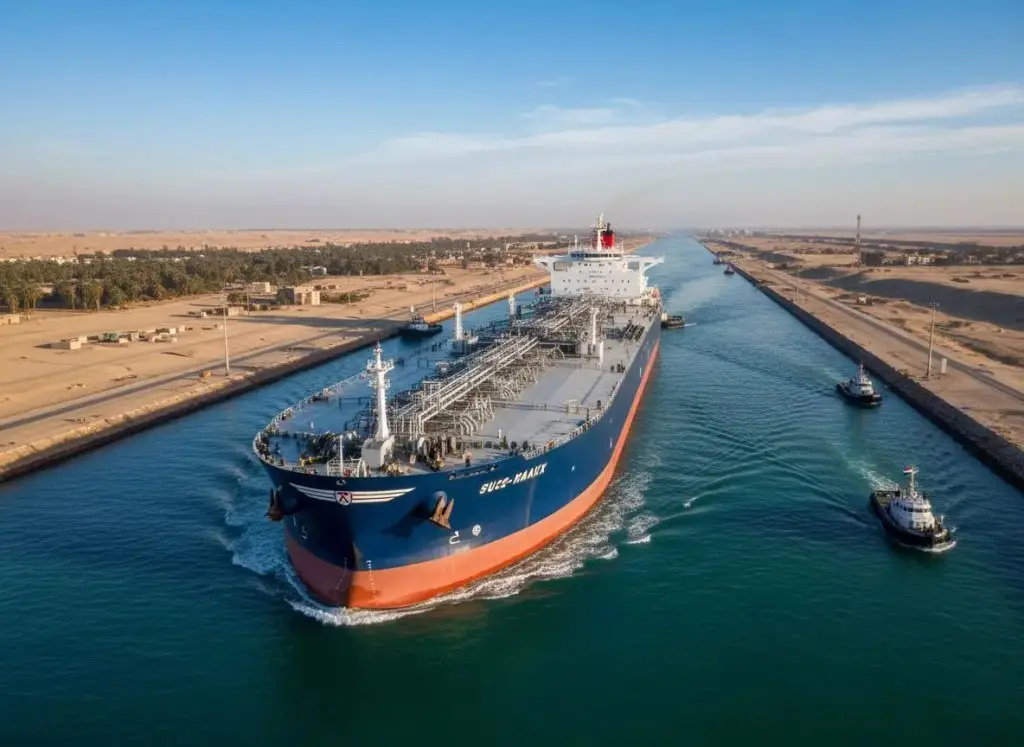
Very Large Crude Carrier
The Resilience of VLCC Earnings and Market Dynamics
At the heart of this sustained rally are Very Large Crude Carriers (VLCCs). Despite early-April forecasts suggesting a potential softening, VLCC earnings have consistently hovered near the $ 100,000-per-day benchmark on key routes.
This strength is largely a result of structural changes in the fleet. Aggressive consolidation by major players has physically removed a substantial volume of capacity from the daily spot market.
By shifting a significant portion of the global fleet into long-term charters, independent owners have gained considerable pricing power in the spot market.
When the list of available ships for immediate hire shrinks, even minor fluctuations in demand can trigger outsized moves in pricing.
This supply-side squeeze, coupled with the continued “de facto” closure of the Strait of Hormuz, has ensured that the world’s largest tankers remain the most sought-after assets in the energy supply chain.
Geopolitical Pressures and Suezmax Freight Rates
While the VLCC segment captures many headlines, the mid-sized tanker market has seen equally dramatic movements. Suezmax freight rates reached multi-year highs as shippers sought more economical alternatives amid the skyrocketing costs of larger vessels.
The ongoing blockade in the Middle East has effectively erased nearly 20% of global oil shipments from their traditional paths, forcing a radical redirection of energy flows.
Several factors have contributed to the strength of the Suezmax and Aframax sectors:
– Increased long-haul voyages from the US Gulf Coast to Asia to replace lost Middle Eastern supply.
– Rerouting around the Cape of Good Hope, which adds over 20 days to standard voyage times.
– Tightened regional availability in the Mediterranean and Black Sea due to ongoing sanctions and security risks.
– A “ton-mile upheaval” where the average distance travelled by a barrel of oil has reached record levels.
These shifts mean that vessels are occupied for much longer periods, effectively reducing the “active” fleet size even if the total number of ships remains unchanged. For those managing modern maritime careers or challenges, these operational shifts require constant adaptation to new safety protocols and extended periods at sea.
Global Oil Demand and Evolving Maritime Trade Patterns
Despite the high-price environment, global oil demand has shown surprising resilience in certain pockets, particularly in East Asia.
Refiners in India and China have been forced to scramble for replacement barrels, primarily sourcing from the Atlantic Basin and the US Gulf. This shift in maritime trade patterns is “transformational” for the industry, moving away from short-haul Middle Eastern routes toward high-frequency, long-distance trade.
However, this transition is not without its hurdles. The industry is currently grappling with significant bunker fuel price volatility. As crude prices fluctuated between $100 and $130 per barrel throughout the month, the cost of marine fuels spiked accordingly. For shipowners, higher operating costs must be balanced against record-high hires, making fuel efficiency and strategic bunkering more critical than ever.
The Role of Industry Standards and Safety
Maintaining high standards of authority during such a crisis is essential to the industry’s long-term health. Organisations such as Clarksons and the Baltic Exchange have noted that while theoretical rates have reached astronomical levels, the actual commercial movement of tankers is cautious.
Operators are increasingly focusing on “war-risk” coverage and ensuring compliance with evolving International Maritime Organization (IMO) safety standards.
The current market is a vivid reminder of how energy security is tied to the full ecosystem of logistics and finance. It is not just about the volume of oil, but the ability to move it safely under rigorous regulatory scrutiny.
Tensions and Rates
As we look toward the remainder of 2026, the tanker market appears set to remain in a state of “elevated tension.”
While a gradual reopening of major waterways could eventually lead to a price correction, the structural changes to the global fleet and the shift toward long-haul trade are likely to keep Tanker Freight Rates well above their 10-year averages.
For an industry that was once defined by the risk of oversupply, the current era of disruption has proven that flexibility and scale are the ultimate competitive advantages. Whether through VLCC consolidation or the tactical use of Suezmax vessels, the maritime world is proving its ability to navigate through the most challenging conditions in modern history.