
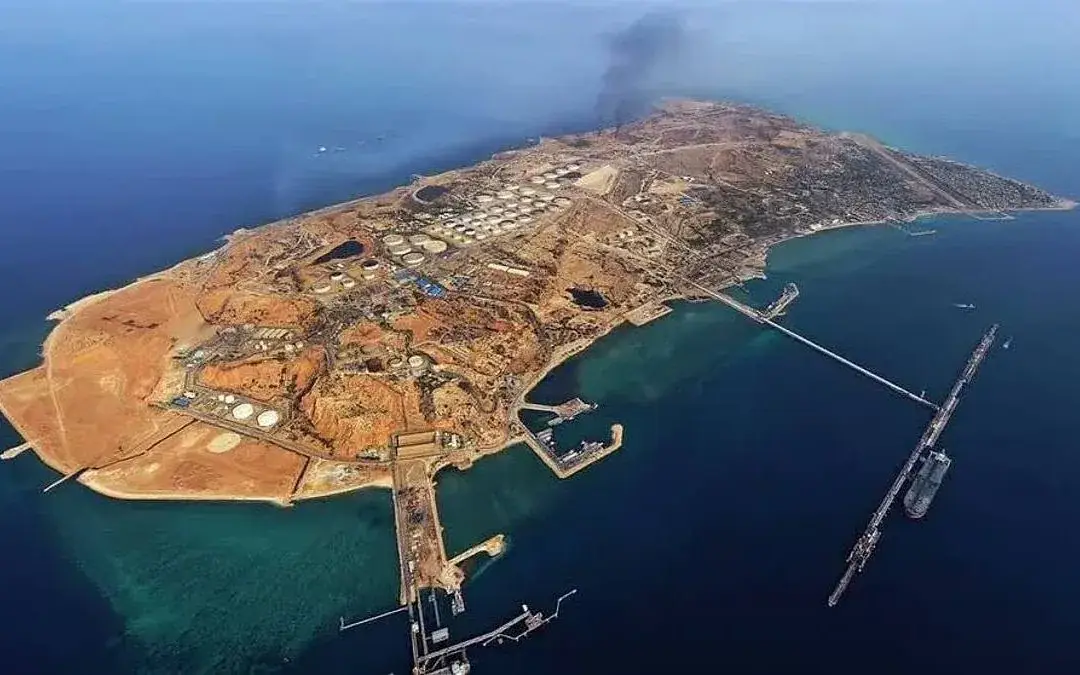
Kharg Island is the main export hub for Iranian oil and the most important energy artery for Tehran’s economy. This makes it a strategic target in any escalation scenario.
Key Takeaways
- The Gulf crisis has moved from fear to a real disruption, with a potential global energy escalation if Kharg Island is involved.
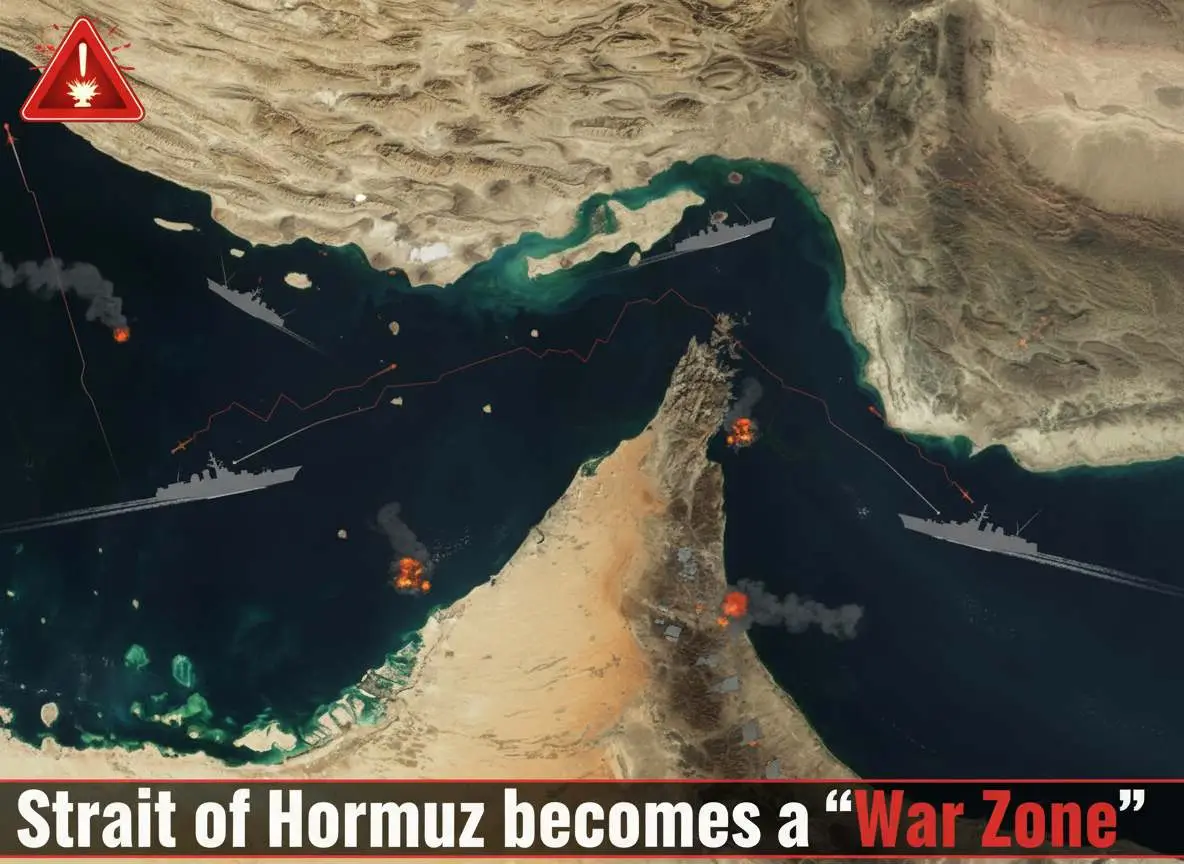
- Attacks on energy infrastructure and issues in the Strait of Hormuz have shifted the conflict toward physical supply problems.
- Kharg Island is Iran’s primary oil export artery; its operations are critical to the regime’s economic survival.
- Public debate in Israel about striking Kharg reduces the political cost for the government, making the military option easier to “swallow” politically.
- A strike on Kharg could trigger a global energy shock, affecting exports, prices, shipping rates, and the world economy.
From Fear to Physical Disruption
The ongoing energy crisis is not just another geopolitical stir-up that simply raises oil risk premiums. It is already a crisis of physical supply. Strikes in Tehran, Iranian attacks on third-party infrastructure in the Gulf, malfunctions in the Strait of Hormuz, and production cuts have changed the nature of the conflict. The market is no longer just afraid of what might happen; it is reacting to what is happening.
A major taboo has been broken: energy infrastructure is no longer seen as a “protected zone.” By striking neighbors, Tehran has signalled it is willing to export the cost of war, turning it into a collective problem for the entire Arab energy architecture and the global energy balance.
The “Existential” Importance of Kharg
Kharg Island is almost existentially significant for Iran. It isn’t just an export station; it is the main artery through which Iranian oil turns into hard currency. It is where production, storage, and loading meet. Simply put, as long as Kharg is running, Tehran can breathe economically. If it stops, the problem becomes strategic rather than just operational.
This is why Kharg is considered the last “big red button.” While the crisis has caused delays so far, a major hit to Kharg would change the equation entirely. It would remove Iranian exports from the market and likely push Iran to respond even more harshly—potentially attacking infrastructure in Saudi Arabia, the UAE, Bahrain, or Qatar.
The Chain Reaction
The market can absorb a single blow, but it struggles when that blow becomes a chain. If Iranian loads, Saudi facilities, Qatari LNG, and the Strait of Hormuz passage are all disrupted simultaneously, the problem isn’t just lost volume. It is the loss of predictability. Oil, gas, insurance, shipping rates, and delivery times would all come under pressure simultaneously.
The Political “Safety Net”
In this context, the recent public statement by Israeli opposition leader Yair Lapid carries heavy weight. By openly discussing the need to hit Iran’s energy heart at Kharg, he effectively lowers the domestic political cost for Benjamin Netanyahu’s government. When the opposition legitimises such an extreme step, it creates a “national consensus” argument, making a military option politically easier to execute.
Global Consequences
An energy shock of this type would not be limited to Iranian oil. It would spread across the Gulf:
- Shipping: Insurance costs would skyrocket.
- Asia: Buyers would desperately scramble for alternative loads.
- Europe: Already vulnerable, Europe would see prices rise again for oil, LNG, and transport.
- Economy: Central banks would face the old dilemma of inflation vs. growth, and governments might return to “emergency” vocabulary like strategic reserves and rationing.
The Historical Weight
Kharg has been a target before, most notably during the “Tanker War” of the Iran-Iraq War. The doctrine remains the same: to strangle Iran’s endurance, you hit the point where the oil revenue flows. Today, Kharg handles 80% of Iranian oil, making it the most dangerous lever of escalation currently on the table.