
International Day for Women in Maritime 2026: Moving from Policy to Practice for Gender Excellence
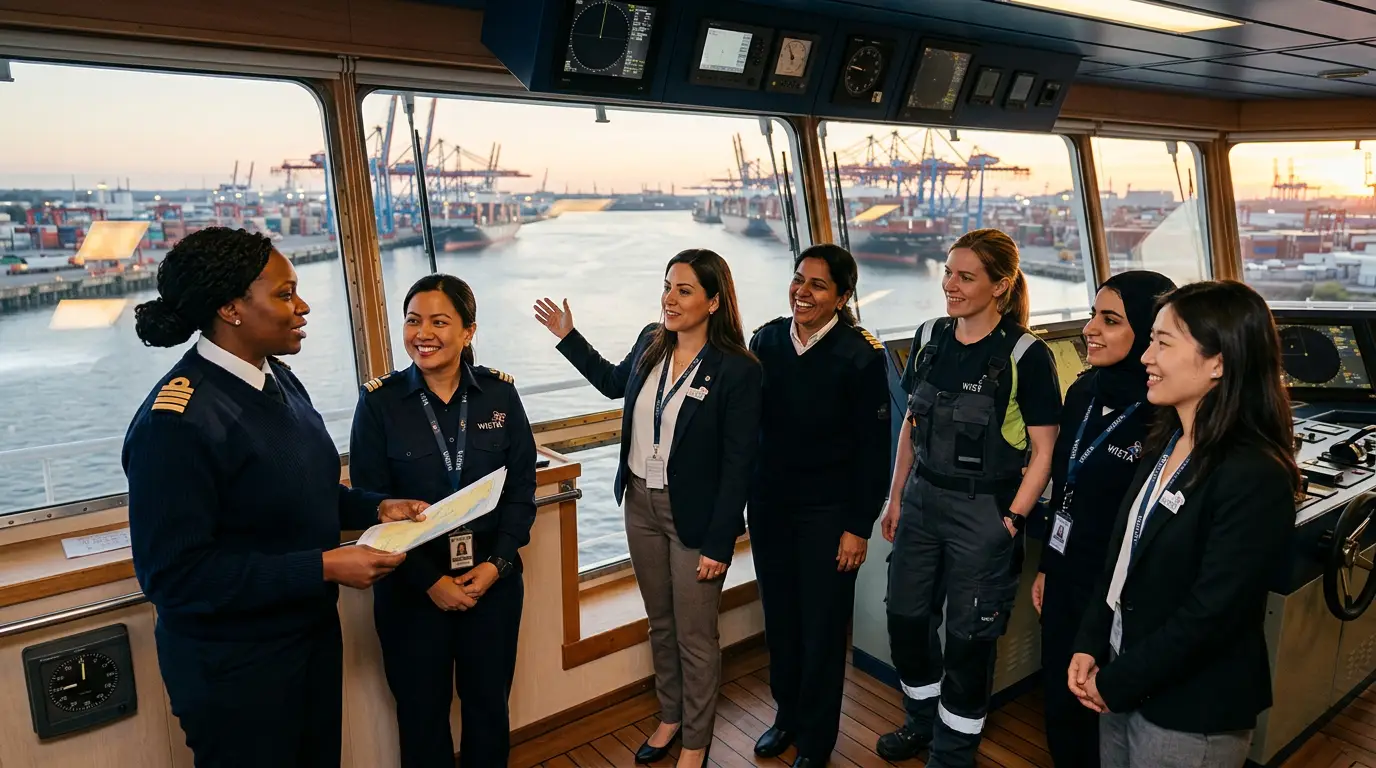
The global shipping community gathers on 18 May 2026 to celebrate the International Day for Women in Maritime. Established by the International Maritime Organisation (IMO), this day serves as a critical platform to highlight women’s achievements and address the persistent gender gap in the industry.
This year’s theme, “From Policy to Practice: Advancing Gender Equality for Maritime Excellence,” signals a shift from making promises to implementing tangible actions. As the industry evolves, ensuring that women have equal access to every maritime career and leadership role is no longer just a social goal—it is an economic and operational necessity.
The State of Maritime Career Gender Diversity
Despite decades of advocacy, the maritime sector remains one of the most male-dominated industries in the world. Recent data from the 2024 Women in Maritime Survey, conducted by the IMO and WISTA International, provides a sobering look at the current landscape. While the number of women in the overall maritime workforce is growing, they still represent less than 19% of the total workforce and a mere 1% of seafarers.
This disparity highlights the urgent need to address the structural and cultural barriers that prevent women from entering and staying in the sector. Improving gender diversity in maritime careers requires more than just recruitment drives; it demands a fundamental shift in how shipboard and shore-side environments are managed. Industry leaders are increasingly recognizing that diverse teams lead to better problem-solving and innovation, which are essential for navigating modern seafaring and life at sea challenges.
Advancing IMO Gender Equality and UN Sustainable Development Goal 5
The drive for balance in the shipping industry aligns closely with UN Sustainable Development Goal 5, which aims to achieve gender equality and empower all women and girls.
The IMO has integrated these goals into its strategic framework, treating IMO gender equality as a core pillar of a sustainable maritime future. By promoting policies that eliminate harassment, ensure equal pay, and provide flexible working arrangements, the organisation is setting a global standard for maritime administrations and private companies alike.
To move from policy to practice, the industry must focus on several key areas:
– Strengthening recruitment and retention strategies to attract a broader talent pool.
– Implementing zero-tolerance policies for workplace harassment and discrimination.
– Providing inclusive facilities and equipment designed for all genders on board vessels.
– Ensuring transparent career progression paths to break the “glass ceiling” in corporate maritime roles.
Empowering Leaders Through Maritime Leadership Mentorship Programs
One of the most effective ways to bridge the leadership gap is by expanding maritime leadership mentorship programs. Organisations like the IMOGENder Network and WISTA have pioneered initiatives that pair aspiring female professionals with seasoned industry veterans. These programs provide the guidance, networking opportunities, and confidence-building necessary for women to ascend to executive levels.
Mentorship is a powerful tool for turning policy into practice. When women see others succeeding in roles like Captain, Chief Engineer, or Port Director, it creates a “see it to be it” effect that inspires the next generation. This year’s launch of the World Maritime University’s Handbook on Gender Mainstreaming further supports this by providing a practical resource for companies to integrate gender perspectives into their day-to-day operations and leadership development.
Women in Maritime
The International Day for Women in Maritime 2026 is a reminder that while progress has been made, the journey toward true equality is far from over. By moving from policy to practice, the maritime industry can unlock the full potential of its workforce and drive excellence across global trade. Achieving the targets set by UN Sustainable Development Goal 5 is not a task for women alone; it requires the active participation of male allies, policymakers, and corporate leaders. As we look toward the future, a more inclusive maritime sector will be better equipped to face the technological and environmental challenges of the 21st century, ensuring a sustainable and prosperous industry for all.
