
The Future of Maritime Safety: New Digital Ship Inspection Standards
The global shipping industry is undergoing a profound transformation as traditional, paper-based oversight makes way for a sophisticated technological framework.
At the heart of this evolution are the newly developed Digital Ship Inspection Standards, which aim to harmonise how vessels are audited, surveyed, and verified across international waters.
As regulatory bodies like the IMO and various classification societies push for greater transparency, these digital protocols are becoming very important for a safer, more efficient maritime ecosystem.
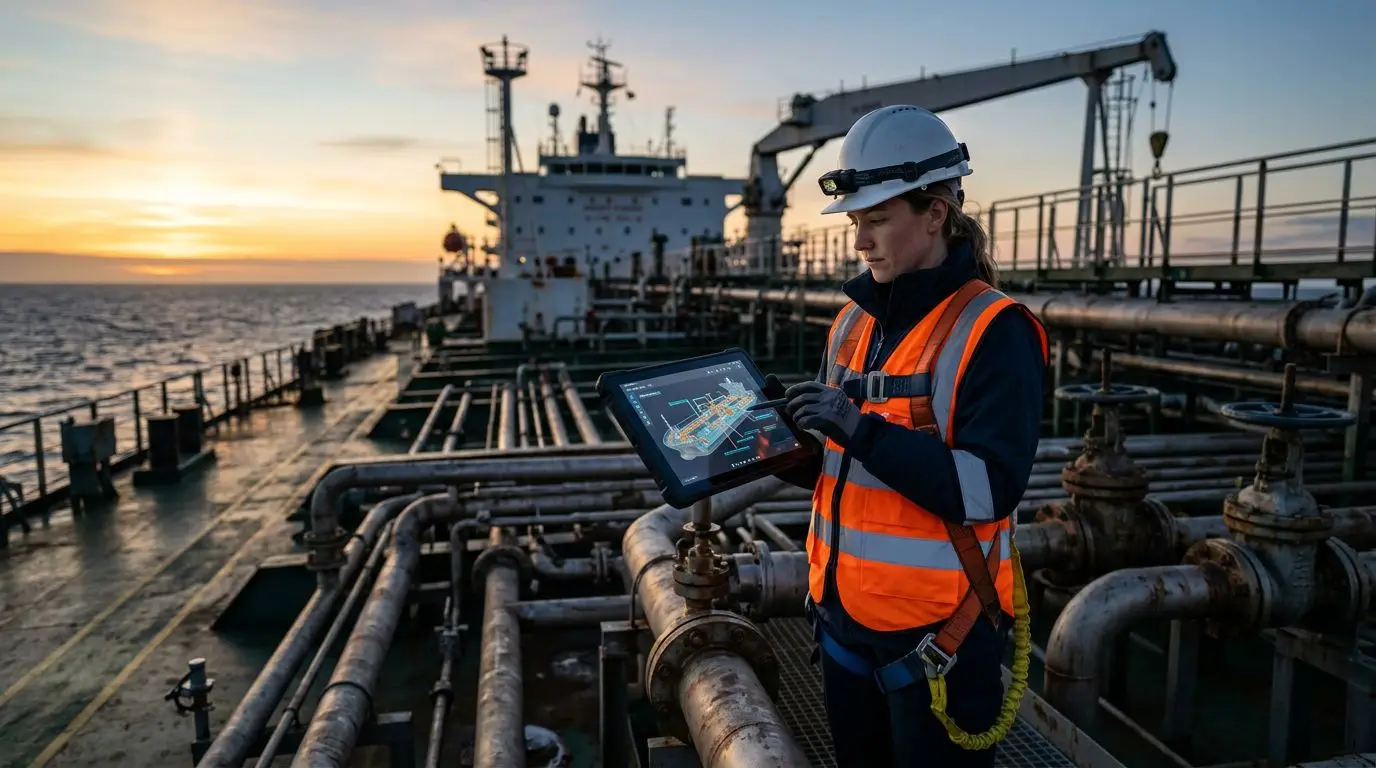
This shift is not merely about replacing clipboards with tablets; it represents a fundamental change in how data is captured and utilised to ensure seaworthiness.
By standardising digital inputs, the industry is moving toward a future where vessel condition data is interoperable, real-time, and highly accurate.
The Rise of Remote Maritime Surveys and Advanced Protocols
One of the most significant advancements in the new regulatory landscape is the formalisation of Digital vessel survey protocols. These protocols provide a structured framework for conducting remote maritime surveys, which allow surveyors to assess a ship’s condition from halfway across the globe.
By using high-definition live streaming, drones, and even crawler robots in confined spaces, classification societies can now verify structural integrity without the logistical delays and safety risks associated with physical boarding.
These remote methods are particularly valuable for occasional surveys or inspections in high-risk zones. The standardisation ensures that the quality of a remote audit remains consistent with traditional methods, leveraging AI-powered tools to detect anomalies like corrosion or structural fatigue that might be missed by the naked eye.
Port State Control Digital Compliance and Documentation
A critical pillar of these new standards is improving Port State Control digital compliance. Historically, Port State Control (PSC) inspections have been a major source of administrative stress for crews, often plagued by the challenges of locating physical records during a high-stakes boarding. With the introduction of centralised digital dashboards, vessels can now demonstrate compliance with international conventions such as SOLAS and MARPOL with just a few clicks.
Key benefits of this transition include:
– Elimination of physical record-keeping errors through real-time data validation.
– Improved transparency with “no-more-favourable treatment” protocols across different regional MOUs.
– Faster clearance times at port, reducing the risk of costly detentions.
– Enhanced ability for masters to respond to port authority queries using verified digital histories.
Despite these efficiencies, navigating the modern maritime landscape remains a demanding task. Professional seafarers must continuously adapt to these technological shifts while managing the inherent challenges of maritime careers that come with life at sea.
Electronic Record Book Standards and the Tipping Point
The year 2026 is widely regarded as the “tipping point” for maritime digitalisation. Central to this is the implementation of robust Electronic record book standards. The transition from manual logbooks to electronic record books (ERBs) is no longer a voluntary upgrade but a regulatory necessity for many. New guidelines ensure that these digital logs are tamper-proof, secure, and auditable, featuring unique personal identifiers and role-based access to prevent unauthorised deletions.
These standards cover everything from Oil Record Books and Garbage Record Books to Ballast Water Management logs. By automating the data entry process, ships are seeing a significant reduction in documentation errors—sometimes as high as 94%.
This accuracy is vital for maintaining an “E-Zero” or “Qualship 21” status, which can lead to reduced inspection frequency and lower insurance premiums.
Achieving Excellence Through Maritime Compliance Automation
The ultimate goal of these new standards is the widespread adoption of maritime compliance automation. Modern software platforms now integrate incident intelligence, maintenance records, and regulatory updates into a single interface. These systems don’t just report what happened; they use predictive analytics to identify risks before they manifest as accidents.
For example, an automated system might flag a recurring equipment failure across a fleet, signalling a systemic maintenance issue that requires intervention. This proactive approach transforms safety management from a “tick-box” exercise into a strategic tool for operational excellence.
Digital Ship Inspection is here and is not going anywhere.
The development of Digital Ship Inspection Standards marks a new era of accountability and efficiency for the maritime industry.
By embracing electronic record books, remote surveys, and automated compliance tools, shipowners can protect their assets and their crews more effectively than ever before. While the transition requires significant investment in training and infrastructure, the rewards—zero detentions, lower operational costs, and a safer ocean—are well worth the effort.
As we move deeper into this digital age, the standard for maritime excellence will be defined by those who can best harness the power of data.