
COSCO Shipping Expands Fleet: A Giant Leap for Eco-friendly Cargo Ships
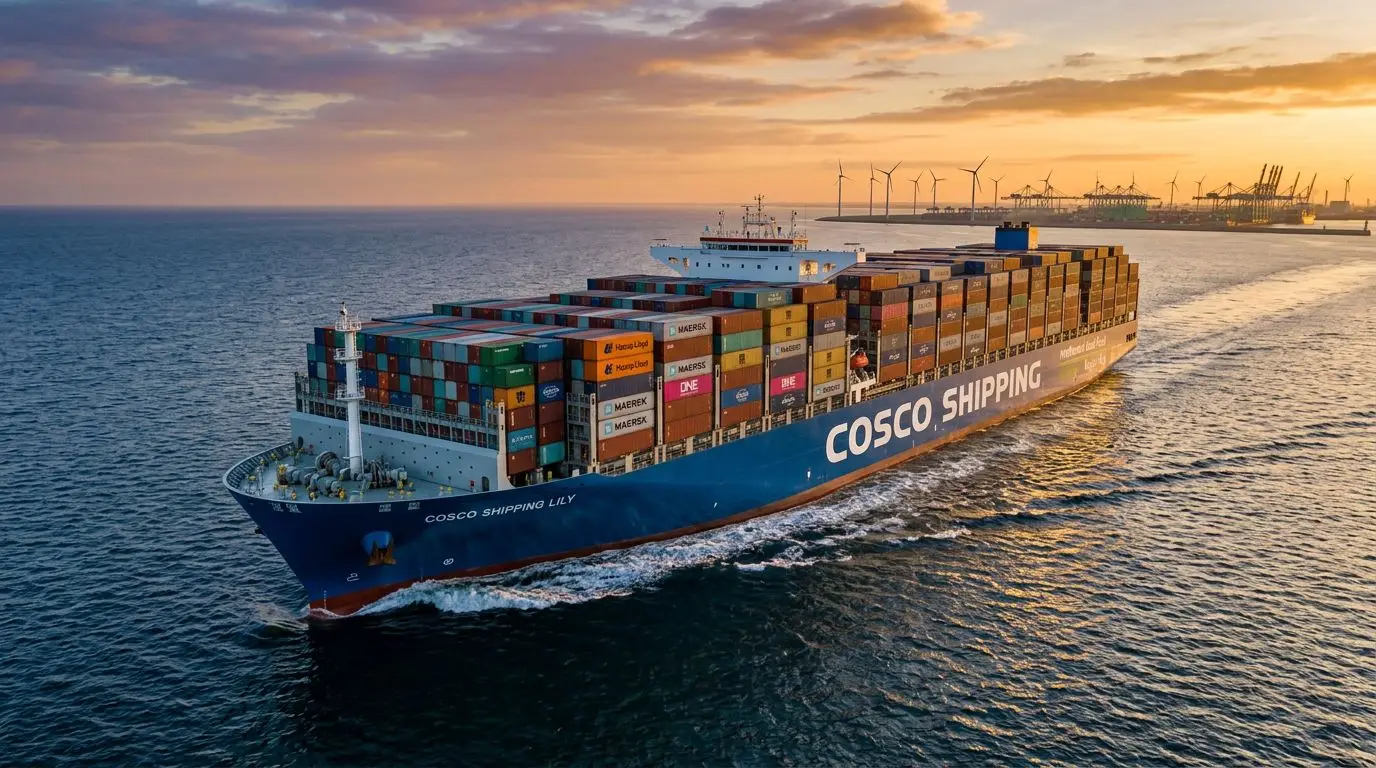
The global maritime industry is currently navigating a pivotal transition toward sustainability, and COSCO Shipping is leading the charge. As international regulations tighten and the demand for greener supply chains grows, the deployment of Eco-friendly Cargo Ships has become a strategic necessity rather than a choice.
Recently, COSCO Shipping announced a landmark $1.75 billion shipbuilding program, signalling a massive investment in the future of global trade. This initiative represents one of the company’s most significant steps toward achieving long-term environmental goals and reshaping the standards of modern shipping.
The Strategic Push for Sustainable Fleet Renewal
At the heart of COSCO’s latest expansion is a robust, sustainable fleet renewal strategy. The company has committed to constructing 29 next-generation vessels scheduled for delivery between 2027 and 2028. This move is designed to align with the International Maritime Organisation (IMO) revised strategy to reach net-zero maritime emissions by or around 2050. By replacing older, less efficient tonnage with state-of-the-art designs, COSCO is effectively lowering its carbon footprint while increasing operational efficiency.
This renewal program isn’t just about quantity; it focuses on technological transformation. The new orderbook includes a diverse range of vessels, such as Newcastlemax bulk carriers, asphalt tankers, and Very Large Crude Carriers (VLCCs).
By integrating advanced energy-saving technologies and hull optimisations, these ships are built to outperform traditional vessels in both fuel consumption and environmental impact.
The Rise of Methanol Dual-fuel Vessels
One of the most exciting developments in COSCO green shipping is the heavy emphasis on alternative propulsion systems. A significant portion of the new fleet consists of Methanol dual-fuel vessels.
Methanol has emerged as a frontrunner in the race for alternative fuels because it can be produced sustainably and is relatively easy to handle compared to other low-carbon options.
COSCO’s commitment to methanol is evident in its recent milestones: – Successful retrofitting of 20,000 TEU containerships, such as the COSCO Shipping Libra, to run on methanol.
– New orders for 12 dual-fuel methanol containerships equipped with permanent magnet shaft generators.
– Collaborative agreements with energy producers to ensure a steady supply of green methanol, which can reduce greenhouse gas emissions by up to 70%. These vessels provide the flexibility to operate on conventional fuels when necessary while allowing a seamless switch to green methanol as infrastructure expands, future-proofing the fleet against evolving regulatory landscapes.
Advancing Maritime Decarbonization through Innovation
The transition to a greener fleet involves more than just changing fuel types; it requires a holistic approach to maritime decarbonization. COSCO is integrating “Smart Ship” and “Green Ecological Ship” certifications into its newbuilds. For instance, the recently christened Sheng Fu and CSPC Libra feature intelligent systems for real-time performance monitoring and energy management.
Beyond the ships themselves, COSCO is investing in green port technologies. From facility electrification at the Xiamen Ocean Gate Container Terminal to the promotion of unmanned electric trucks, the company is addressing emissions across the entire logistics chain. These innovations are essential to meet the requirements of regional frameworks such as the EU Emissions Trading System (EU ETS) and FuelEU Maritime, which are already affecting global shipping routes.
However, the rapid adoption of these technologies brings new complexities to the industry. Professionals must adapt to highly sophisticated engine rooms and digital monitoring arrays, underscoring the evolving nature of maritime careers and the challenges of an automated world.
Safety and Standards in the Green Transition
As COSCO Shipping expands its fleet with these advanced, Eco-friendly Cargo Ships, safety remains a top priority. Moving to fuels like methanol, ammonia, or hydrogen introduces unique operational risks that require updated safety frameworks and rigorous crew training. COSCO works closely with classification societies like DNV and the American Bureau of Shipping (ABS) to ensure all new vessels meet the highest international safety standards.
For example, COSCO recently received approval for an independently developed shipborne carbon capture system. This technology offers a medium-term solution for reducing emissions on existing vessels that may not yet be ready for a full fuel transition.
By balancing cutting-edge fuel technology with immediate carbon-reduction tools, COSCO ensures a reliable and safe path toward its environmental targets.
COSCO expansion
The expansion of COSCO Shipping’s fleet with new eco-friendly vessels marks a definitive moment for the maritime sector. Through a multi-billion-dollar investment in Methanol dual-fuel vessels and a comprehensive sustainable fleet renewal program, the company is proving that large-scale operations can indeed align with the goal of net-zero maritime emissions.
As the industry moves toward 2030 and beyond, the success of global trade will depend on carriers’ ability to integrate design flexibility, data intelligence, and green technology. COSCO’s proactive stance not only ensures compliance with tightening IMO regulations but also positions the company as a leader in the sustainable transformation of the high seas. For shippers and stakeholders worldwide, these advancements offer a glimpse into a cleaner, smarter, and more efficient future for global commerce.