

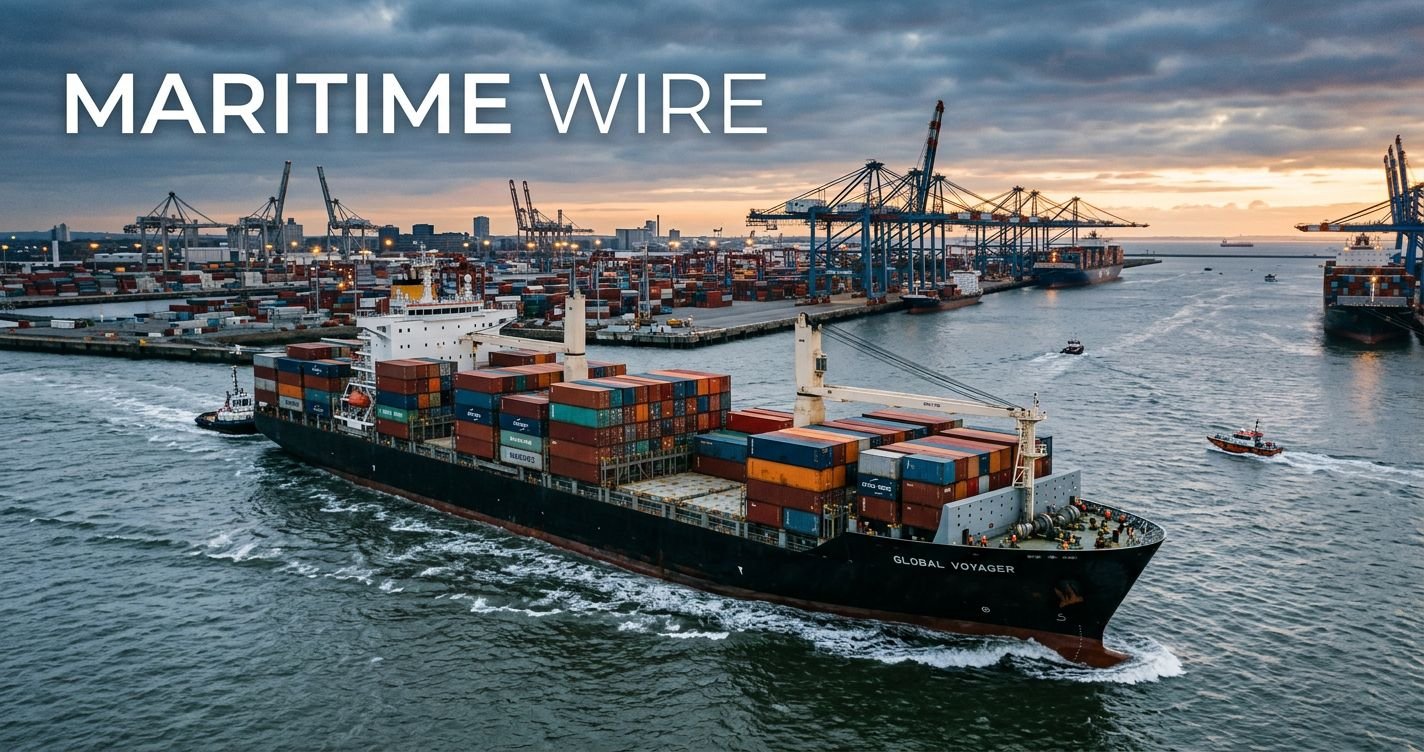
DNV Reports Surge in LNG Ship Orders as Alternative-Fuel Contracting Accelerates
Ordering activity for alternative-fuel ships has experienced a substantial surge in 2026, driven largely by sustained demand for liquefied natural gas (LNG) propulsion across major shipping segments.
According to figures published by classification society DNV, a total of 364 alternative-fuelled vessels have been ordered through October 2026, marking a 57 percent increase compared to the same period in 2025.
LNG-powered vessels continue to dominate ship newbuilding orders within the alternative-fuel category, accounting for 230 of the 364 total orders placed so far this year.
Container Ships and Car Carriers Drive Volume
Data from DNV’s Alternative Fuels Insight (AFI) platform indicates that demand for LNG ship orders is overwhelmingly concentrated in high-value, consumer-facing vessel sectors. Container ships represent the largest share of LNG-fuelled newbuild contracts, accounting for 134 vessels or approximately 58 percent of all LNG orders in 2026. Car carriers follow as the second-largest segment with 75 orders, representing 32 percent. Together, container vessels and car carriers make up nearly nine out of every ten LNG-fuelled ship orders placed this year.
Ordering momentum strengthened notably during the third quarter of 2026. September registered 69 total alternative-fuel orders—the highest single-month total recorded since late 2024—with LNG accounting for 48 of those contracting decisions. October added a further 53 alternative-fuel ship orders, including 30 LNG-capable vessels.
Maturing Infrastructure Supports Adoption
Industry analysts attribute LNG’s dominant position to expanding global LNG bunkering infrastructure and established maritime supply chains. Unlike emerging low-carbon technologies such as ammonia or hydrogen, LNG offers shipowners immediate operational deployment supported by a growing fleet of specialized bunker supply vessels and active commercial bunkering hubs.
“LNG’s continued prominence is supported by the comparatively mature infrastructure and supply chain around the fuel,” noted Jason Stefanatos, Global Decarbonization Director at DNV Maritime, in a statement. He added that an established fuel supply network gives shipowners practical operational advantages while maintaining optionality to transition toward bio-LNG or synthetic LNG over time.
While LNG leads current contracting, alternative-fuel newbuilding activity also includes secondary uptake of liquefied petroleum gas (LPG) and methanol-powered tonnage, alongside limited orders for ethanol-capable bulk carriers.
The ongoing concentration of LNG ship orders underscores how commercial realities and infrastructure readiness shape real-world progress in maritime decarbonization. For shipowners, port authorities, and fuel suppliers, the steady growth in dual-fuel ordering confirms that LNG remains the principal pragmatic bridge fuel for deep-sea shipping trades under tightening international emission regulations.