

Port of Santos Initiates Commercial Bioethanol Bunkering Operations
The Port of Santos has officially transitioned bioethanol bunkering from trial demonstrations to regular commercial operations, establishing Brazil as a key destination for low-carbon marine fueling.
Transition to Regular Commercial Operations
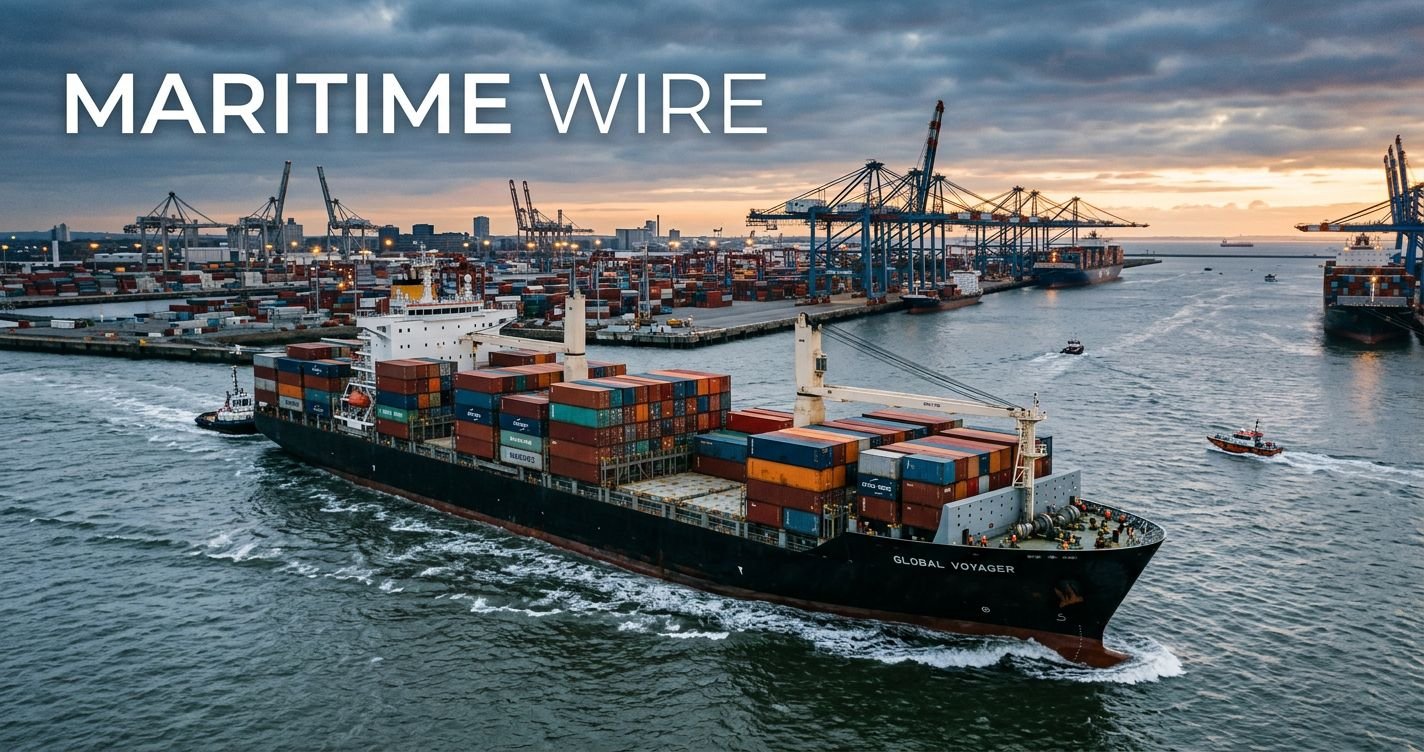
A maritime industry coalition comprising container carrier CMA CGM, bioethanol producer Copersucar, marine fuel supplier Bunker One, and the Santos Port Authority (APS) announced the launch of regular Bioethanol Bunkering operations at Brazil’s primary gateway. The commercial phase commenced with the fueling of the 13,000-TEU container ship CMA CGM IRON at the Santos Brasil terminal.
The vessel is powered by an Everllence-B\&W G95ME-C10.5-LGIM tri-fuel engine certified to run on ethanol, methanol, and conventional fuels.
The operation follows a successful 500,000-liter pilot test completed at the port.
Multiple additional bunkering operations involving CMA CGM vessels are scheduled through the remainder of the year, establishing consistent Port of Santos Fueling options for dual-fuel tonnage.
Integrated Logistics and Safety Framework
The initiative connects Brazil’s agricultural biofuel output directly to ocean shipping demand.
Bioethanol produced by Copersucar-affiliated mills is transported by Evolua Etanol and stored at AGEO Terminais prior to transfer. To address the low flash point of ethanol, Bunker One established specialized operational protocols and safety procedures based on International Association of Ports and Harbors guidelines.
By demonstrating scalable delivery of Alternative Marine Fuels, the partners aim to foster Sustainable Bunkering and support Green Maritime Logistics throughout South America.
Operational Significance
Data from classification society DNV indicates that 159 operating vessels feature engines capable of utilizing bioethanol or methanol, with more than 450 additional dual-fuel ships scheduled for delivery by 2030.
The availability of regular supply at Santos offers ocean carriers a practical mechanism to reduce voyage emissions along major trade routes.