
Vietnam Builds LNG Dual-Fuel Ships in Green Push
Vietnamese shipyards are accelerating their push into the global maritime green transition, expanding capabilities to construct LNG dual-fuel vessels and alternative-fuel ships in response to stricter International Maritime Organisation (IMO) decarbonization standards.
Fleet Modernisation and Technical Upgrades
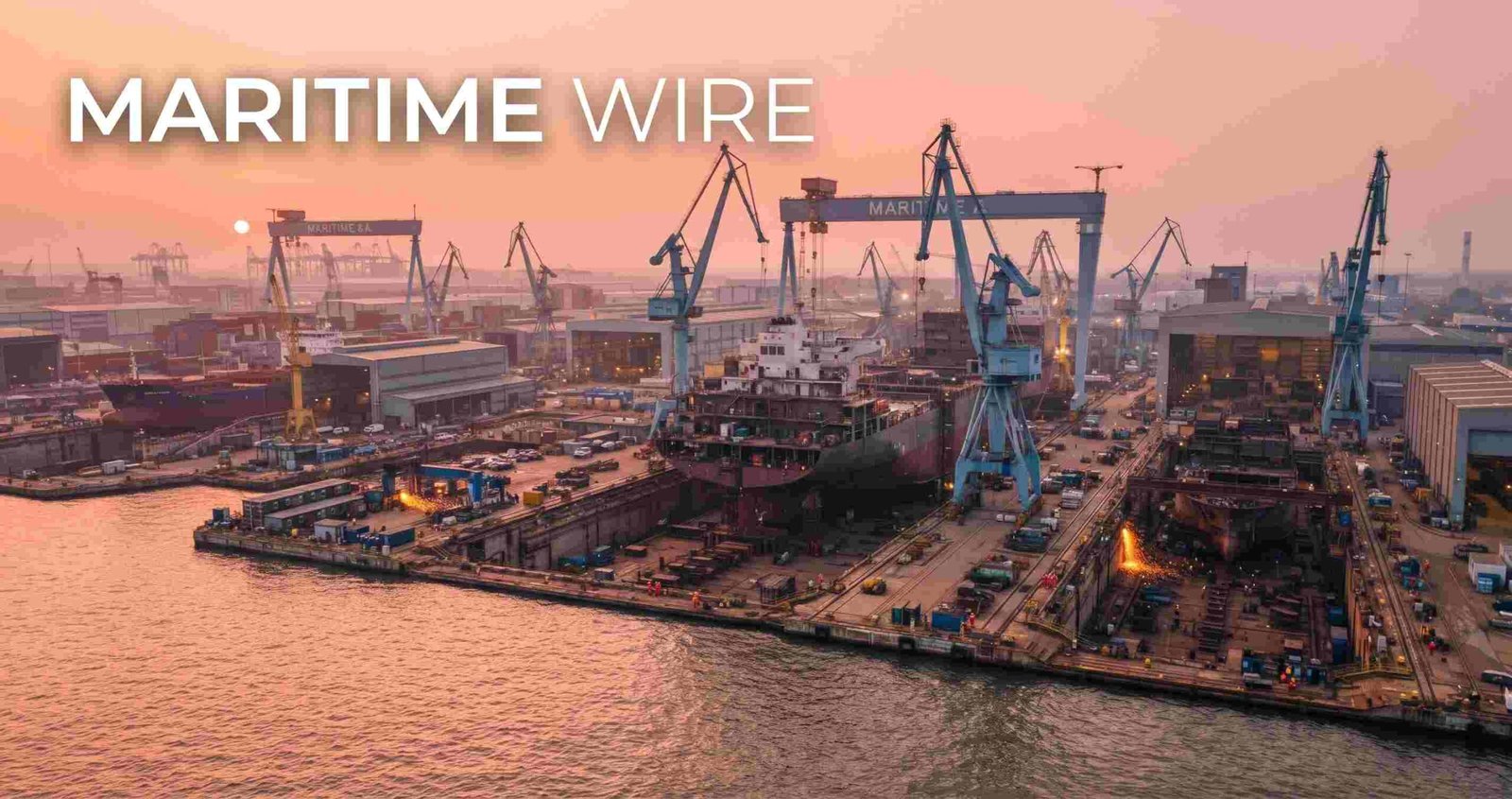
According to industry announcements from HD Hyundai Vietnam Shipbuilding (HVS), construction began on July 30, 2026, for Hull No. S580, marking the first in a series of 115,000-DWT LNG dual-fuel LR2 tankers ordered by UK-based Union Maritime. The dual-fuel vessels will incorporate WindWings rigid sail technology to enhance fuel efficiency and reduce greenhouse gas emissions.
Additionally, Vietnamese shipyards like Dung Quat are expanding into next-generation alternative propulsion. Belgian maritime group CMB.TECH and Boeckmans announced a partnership to construct four 5,000-DWT general cargo vessels fitted with diesel-electric engines configured to adapt to hydrogen propulsion systems.
Growth of Vietnam Green Shipbuilding
The adoption of sustainable shipping technology marks a strategic shift for Vietnam’s green shipbuilding as domestic builders transition from standard bulk carriers to eco-friendly tonnage. By expanding local infrastructure for complex dual-fuel systems, regional yards aim to capture rising demand across the Asia-Pacific region for modern service vessels, coastal transports, and retrofitted commercial tonnage.
Operational Significance
For international shipowners, charterers, and maritime operators, the expansion of green shipbuilding capabilities in Vietnam offers additional regional capacity for constructing energy-efficient fleets. As global environmental regulations tighten, deploying LNG dual-fuel and wind-assisted technology provides commercial fleets with compliant, lower-emission tonnage across key global trade corridors.