
Strait of Hormuz Blockade: UKMTO Reports 26 Attacks Amid Escalating Maritime Tensions
The global shipping community is on high alert following a sobering update from the United Kingdom Maritime Trade Operations (UKMTO). Since the outbreak of hostilities involving Iran in early 2026, the agency has recorded a staggering 26 targeted attacks on commercial vessels. This surge in violence has led to an effective Strait of Hormuz Blockade, transforming one of the world’s most vital maritime corridors into a high-risk zone.
With nearly a fifth of global oil and gas supplies at stake, the ongoing instability is forcing a radical reassessment of maritime safety and global economic stability.
Understanding the Surge in UKMTO Maritime Security Alerts
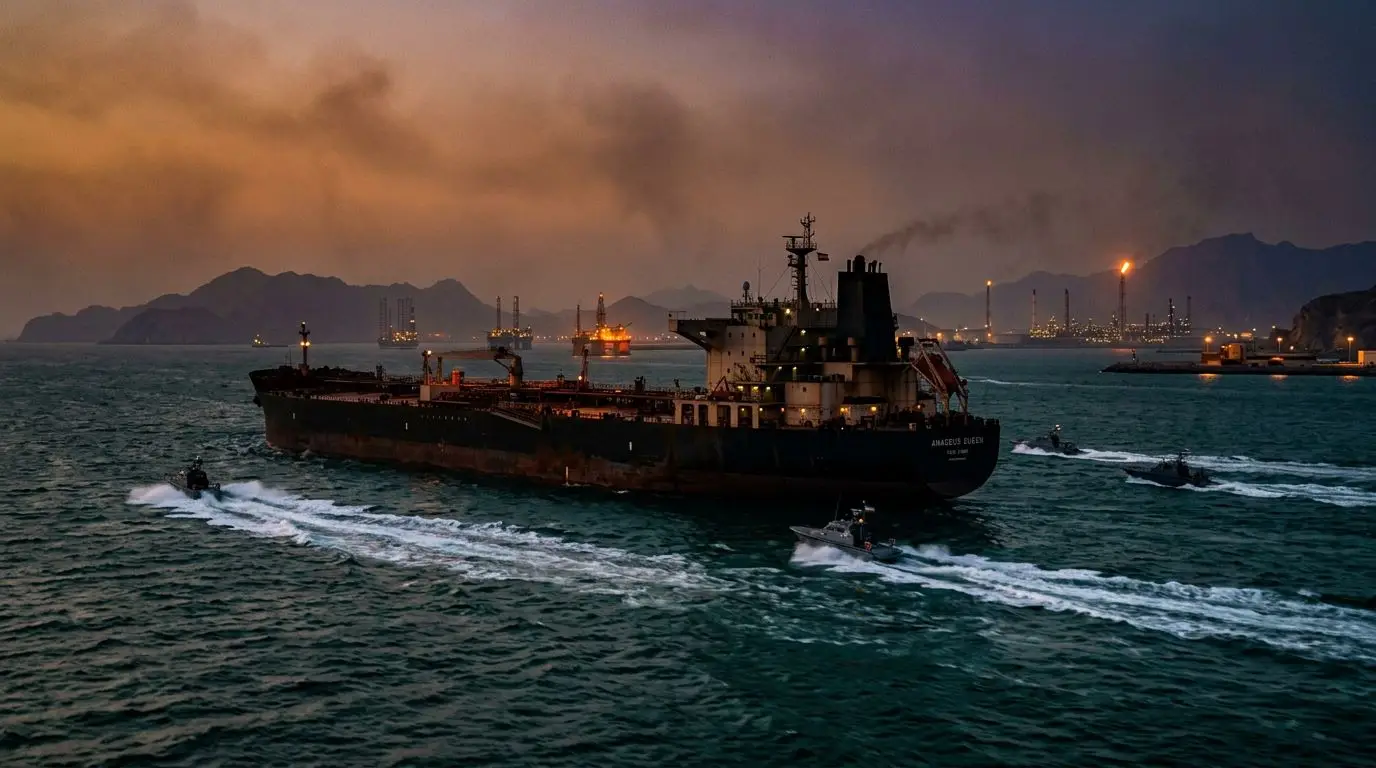
The recent UKMTO maritime security alerts paint a picture of a rapidly deteriorating environment. The reporting period, spanning from March 1 to early May 2026, has seen a total of 41 major security incidents, including:
-
26 Confirmed Attacks: Direct strikes where ships or crew suffered damage/harm.
-
4 Harassment Reports: Incidents where merchant ships were actively impeded or followed.
-
9 Near-Misses: Close-proximity explosions or projectile fly-bys.
These threats range from small-boat harassment and drone strikes to sophisticated missile attacks and the persistent threat of sea mines. For shipowners, these alerts are critical operational directives. UKMTO Head of Operations, Commander Jo Black, noted that the psychological toll on civilian seafarers—many of whom have limited training for combat environments—is immense. The transition from “peaceful transit” to “combat-adjacent navigation” has placed a historic burden on the approximately 20,000 seafarers currently operating in or trapped within the region.
Analysts point out that even the successful passage of a few vessels cannot fundamentally change the situation. Before the war, approximately 140 ships passed through the Strait of Hormuz daily—a volume that no force, not even the U.S. Navy, could systematically escort. Consequently, initiatives like “Project Freedom” are increasingly viewed as coordination and surveillance mechanisms rather than a comprehensive military shield for navigation.
The Power of the Revolutionary Guards
Despite intense pressure from Washington, the Islamic Revolutionary Guard Corps (IRGC) maintains sufficient asymmetric capabilities—including drones, missiles, mines, and fast-attack craft—to threaten any vessel moving near the Iranian coast. This logistical reality means that without a broader diplomatic agreement with Tehran, security in the world’s most important energy waterway will remain fragile. These developments reinforce fears in markets and the shipping industry that a temporary de-escalation is simply not enough to fully restore freedom of navigation in the Strait.
The Persian Gulf Naval Conflict and Its Economic Toll
The current Persian Gulf naval conflict is not merely a regional dispute; it is a direct assault on the mechanics of global trade. The Strait of Hormuz serves as a chokepoint for roughly 20% of the world’s oil consumption. Its partial closure has triggered the largest energy crisis in history, according to the IEA.
-
Energy Prices: Brent crude has surged past $115 a barrel, with market analysts warning of a potential spike to $150 if the blockade persists.
-
Stranded Assets: An estimated 850 to 870 large merchant vessels are currently anchored or stranded in Gulf waters.
-
Traffic Decline: Since the conflict escalated in February 2026, commercial traffic through the Strait has dropped by more than 90%, with only a handful of vessels attempting the “gauntlet” daily.
To combat this, the U.S. launched “Project Freedom” in early May 2026. This presidential initiative aims to provide military guidance for stranded ships to exit the waterway safely. However, the project was briefly “paused” in mid-May to facilitate fragile diplomatic negotiations, leaving hundreds of crews in a state of high-stress limbo.
Navigating Maritime War Risk Insurance in 2026
As the physical risks increase, the financial framework of shipping is nearing a breaking point. War risk premiums for a single seven-day trip through the Gulf have skyrocketed to 10 times their pre-conflict levels.
-
Missile Magnets: Vessels with U.S., UK, or Israeli affiliations are often quoted premiums of up to 10% of the hull value. For a 5-year-old VLCC worth $138 million, a single transit can cost over $10 million in insurance alone.
-
The $40 Billion Safety Net: To prevent a total halt in trade, the U.S. International Development Finance Corporation (DFC), in partnership with Chubb and other major insurers (AIG, Travelers, Berkshire Hathaway), established a $40 billion maritime reinsurance facility. This public-private partnership provides a critical backstop for ships participating in Project Freedom.
Protecting Regional Energy Supply Security
The ultimate goal of the international response is to restore regional energy supply security. While “enhanced security areas” have been established, Iran continues to challenge international law, claiming a right to inspect documents and collect “tolls.” This has led to high-profile seizures, such as the container ships Epaminondas and MSC Francesca in late April.
The UKMTO’s report of 26 attacks is a stark reminder that the Strait of Hormuz remains a primary theatre of geopolitical conflict. While financial facilities such as the DFC’s reinsurance plan provide a temporary bridge, the global shipping industry remains shrouded in uncertainty. Until a diplomatic de-escalation occurs, the “Strait of Hormuz Blockade” will remain the single greatest threat to the world’s energy lifelines and the safety of those who navigate them.