

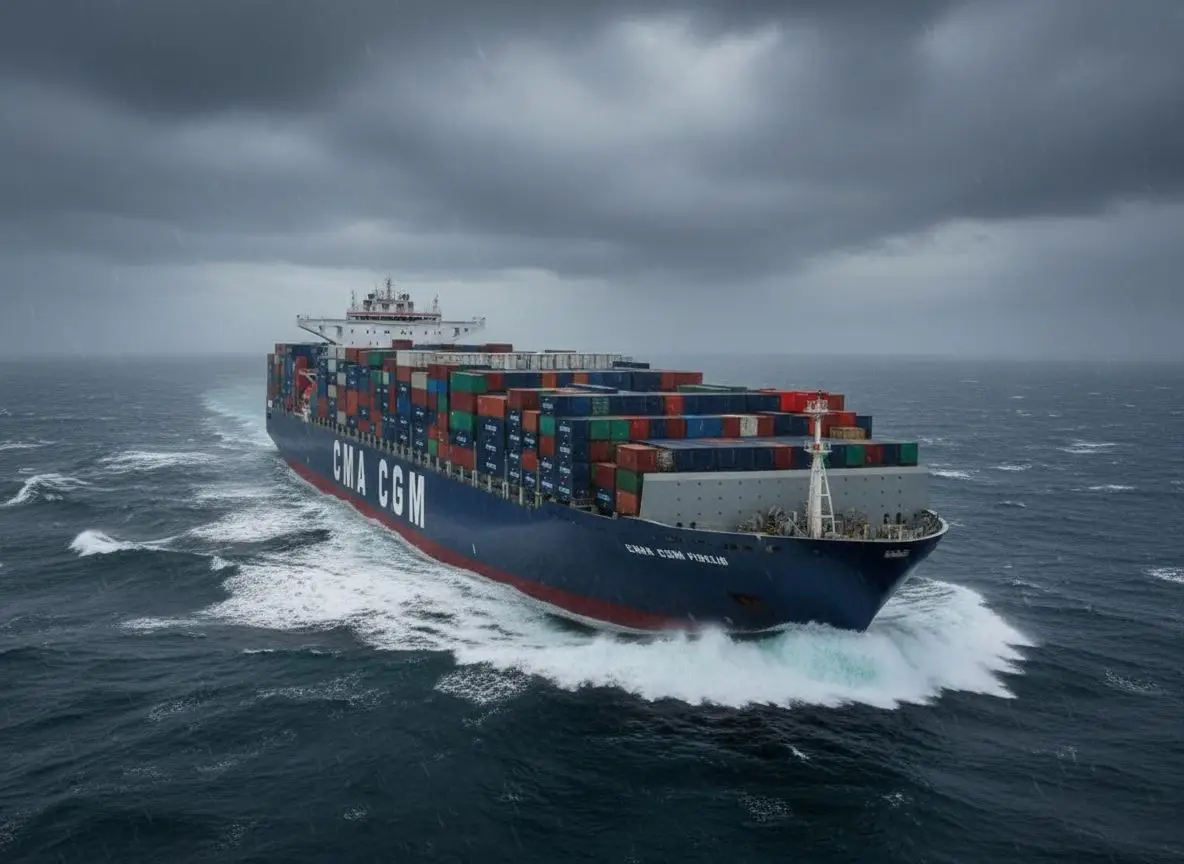
The global shipping industry is witnessing a pivotal shift as CMA CGM, one of the world’s leading container carriers, resumes ultra-large container vessel (ULCV) transits through the Suez Canal. This strategic move, following a period of rerouting due to Red Sea security concerns, is set to reshape maritime trade flows and deliver significant economic benefits. Here’s a deep dive into the financial impact and what lies ahead for 2026.
Strategic Re-entry: Why CMA CGM Chose the Suez Canal
CMA CGM’s phased return to the Suez Canal, particularly for its Indamex service connecting West India and North America, is driven by the route’s substantial economic advantages. The Suez Canal offers a much shorter transit compared to the Cape of Good Hope, reducing round-trip voyage times by approximately seven days. This not only cuts fuel costs and emissions but also enhances schedule reliability for shippers. For a detailed breakdown of CMA CGM’s strategy, see CMA CGM resumes passages through the Suez Canal.
Economic Impact: Revenue Recovery and Market Dynamics
Suez Canal Revenue Surge
The resumption of ULCV traffic has already begun to yield positive results for Egypt’s economy. Suez Canal revenues surged 14.2% year-on-year between July and October 2025, marking a significant rebound after disruptions from regional instability. Improved security conditions and renewed confidence among global shipping operators have led to increased vessel transits and cargo tonnage. For more on this financial turnaround, read Suez Canal Revenue Surges 14% Amid Regional Stability in 2025.
Cost Savings and Competitive Advantage
By returning to the Suez Canal, CMA CGM and other carriers can avoid the longer, costlier Cape route. This shift is expected to:
- Lower operational costs for shipping lines.
- Reduce freight rates for shippers.
- Improve supply chain reliability and speed.
The Suez Canal Authority has further incentivised this return by slashing transit fees by 15% for large containerships, aiming to attract even more traffic. Explore the details in Suez Canal Slashes Transit Fees by 15% to Boost Shipping Traffic.
Market Volatility and Rate Pressures
While the return to the Suez Canal is expected to stabilise shipping schedules and reduce costs, it also introduces new complexities. The fluctuating security situation in the Red Sea means shippers must weigh the benefits of faster transit against the risks and potential need for war risk insurance. This uncertainty can lead to volatile freight rates and operational challenges, as discussed in Rising Middle East Tensions Disrupt Global Maritime Routes.
Industry-Wide Implications
Fleet Deployment and Capacity
CMA CGM’s move is likely to influence other major carriers, such as MSC, Maersk, and COSCO, to resume or expand their Suez Canal operations. This could lead to increased competition, improved service offerings, and a more balanced global fleet deployment. For a comparative look at the top shipping companies and their strategies, visit Top 5 Global Shipping Companies Compared (2025).
Impact on Global Trade and Egypt’s Economy
The Suez Canal remains the fastest sea route between Europe and Asia, handling about 15% of global maritime trade. Its recovery is crucial not only for shipping lines but also for Egypt’s economy, which relies heavily on canal revenues for hard currency. The recent rebound in traffic and revenue signals renewed confidence and a positive outlook for 2026.
Looking Ahead: 2026 and Beyond
Industry analysts predict that, barring further geopolitical disruptions, Suez Canal traffic will return to pre-crisis levels by the second half of 2026. The combination of improved security, cost incentives, and strategic fleet redeployment positions the canal for sustained growth. However, ongoing risk assessments and the potential for renewed instability mean that flexibility and vigilance will remain essential for shipping companies.
In summary: CMA CGM’s return to the Suez Canal is a catalyst for economic recovery, operational efficiency, and renewed confidence in global maritime trade. As the industry adapts to evolving risks and opportunities, the Suez Canal’s role as a vital trade artery is set to strengthen in 2026 and beyond.
