
The global shipping industry is experiencing a major change after the ZIM CEO announced their departure.
Eli Glickman, who has led ZIM Integrated Shipping Services for nine years, recently informed the Board of Directors of his decision to step down. This leadership transition comes at a critical juncture as the company moves toward a massive $4.2 billion acquisition by Hapag-Lloyd. As the industry prepares for this transformation, the focus shifts to how it will impact the market and to the ambitious plans for a new maritime mega-carrier.
The Legacy of Eli Glickman and the Strategic Pivot
Eli Glickman is widely credited with orchestrating one of the most successful turnarounds in container shipping history. When he took the helm nearly a decade ago, ZIM was struggling with debt and market instability. Under his leadership, the company embraced a digital-first strategy, expanded its global footprint, and successfully navigated the volatile markets of the early 2020s.
However, the proposed Hapag-Lloyd ZIM merger represents a fundamental shift in direction. While the Board has aggressively promoted the deal to maximise shareholder value, Glickman noted that his departure stems from a desire for the company’s future leadership to be fully aligned with this new corporate chapter.
The acquisition will see ZIM delisted from the New York Stock Exchange and integrated into the world’s fifth-largest shipping line, marking a definitive end to ZIM’s era as an independent, niche global player.
Understanding the Hapag-Lloyd ZIM Merger and Consolidation
The maritime industry is currently defined by the consolidation of container shipping. In an era where scale is the primary driver of profitability, smaller carriers find it increasingly difficult to compete with the sheer volume and network reach of giants like MSC or Maersk. By acquiring ZIM, Hapag-Lloyd aims to solidify its position among the top five global lines and gain access to ZIM’s specialised Transpacific and Mediterranean routes.
Key components of the proposed $4.2 billion deal include: – A cash offer of $35 per share, representing a significant premium for ZIM investors.
– The creation of New ZIM, a separate Israeli entity that will operate 16 vessels to satisfy national security requirements and the state’s golden share.
– Integration of ZIM’s remaining charters and assets into the Hapag-Lloyd global network.
– Access for the new entity to the Gemini Cooperation network, enhancing service reliability.Impact on the Maritime Mega-Carrier and Fleet Renewal Program
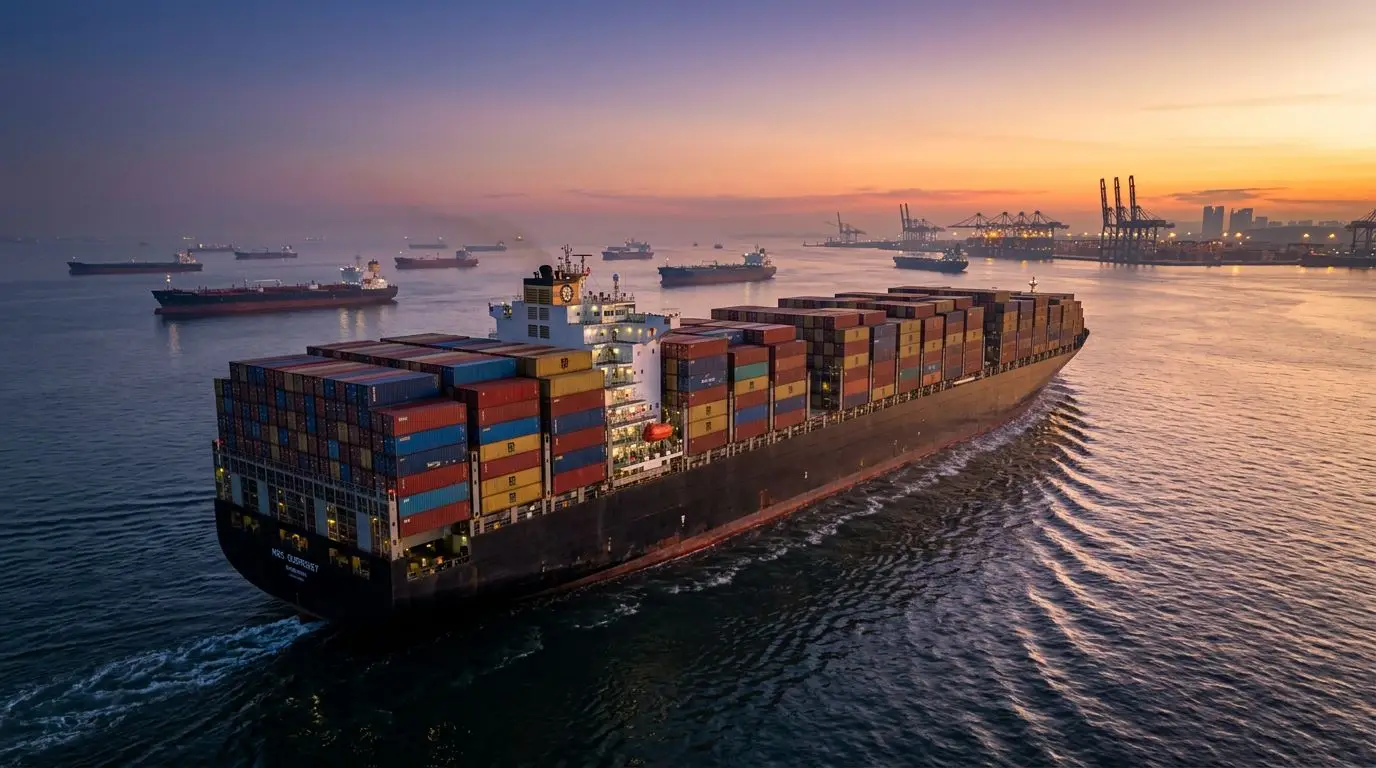
The primary goal of this acquisition is to create a maritime mega-carrier capable of delivering unmatched efficiency. For Hapag-Lloyd, the addition of ZIM’s assets is not just about quantity; it is about the quality of the fleet. ZIM has been an industry leader in its fleet renewal program, aggressively transitioning toward liquefied natural gas (LNG) powered vessels to meet International Maritime Organisation (IMO) decarbonization targets.
Integrating these modern, eco-friendly ships into the combined fleet will help the new organisation reduce its carbon intensity and more effectively meet environmental regulations.
This shift is essential for staying competitive as global shippers increasingly demand greener supply chains. However, managing such a vast technological transition requires skilled personnel who can navigate modern maritime careers or challenges effectively.
ZIM CEO Departure and Future Leadership
The ZIM Board of Directors has initiated a formal search for Glickman’s successor, who will manage the company through its final months as a public entity. Glickman will remain in his role for a six-month notice period to ensure operational stability. This transition is particularly sensitive given ongoing labour concerns in Israel, where unions have expressed anxiety about job security following the German acquisition.
The incoming leadership will need to balance the technical demands of the merger with the human element of the business. Beyond the boardroom, the merger will reshape the daily lives of thousands of employees and seafarers. The industry will be watching closely to see if the new leadership can maintain the innovative culture Glickman built while adhering to Hapag-Lloyd’s rigorous operational standards.
Conclusion
The ZIM CEO’s departure marks the end of a significant era for the Israeli carrier and the beginning of a transformative phase for the global shipping industry. As the Hapag-Lloyd ZIM merger moves toward its expected close in late 2026, the maritime world will witness the birth of a more powerful, consolidated mega-carrier. While leadership changes always bring a degree of uncertainty, the strategic focus on fleet renewal and scale suggests that the new entity will be well-positioned to lead the next generation of global trade. For now, the focus remains on a smooth transition that honours ZIM’s legacy while embracing a future defined by collaboration and consolidation.
