
Green Fleet Ambitions: Strong Ordering Activity Defines Global Shipbuilding Market Trends
Major shipowners are doubling down on long-term capacity despite a backdrop of geopolitical tension and economic uncertainty. Recent contract signings from industry heavyweights like DHT Holdings, “K” Line, and Global Ship Lease signal a robust commitment to vessel replacement.
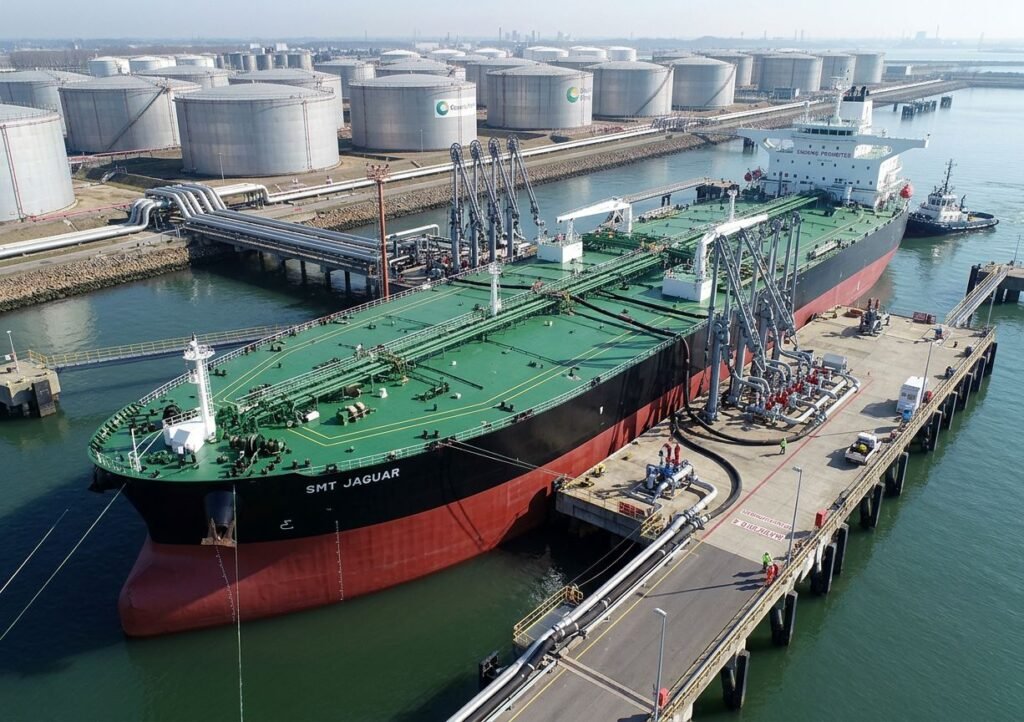
DHT Holding VLCC
These moves are not merely about increasing volume; they represent a fundamental shift in global shipbuilding market trends as the maritime sector pivots toward more efficient, dual-fuel assets. By placing these orders now, carriers are securing shipyard slots that are becoming increasingly rare through the end of the decade.
The Push for Fleet Renewal and Decarbonization
A core driver of this surge in orders is the comprehensive fleet renewal program being adopted by major lines. Older vessels, particularly those built in the mid-2000s, are reaching the end of their economic life and struggle to meet modern efficiency standards. The International Maritime Organisation (IMO) has accelerated the timeline for maritime decarbonization, introducing stricter Carbon Intensity Indicator (CII) ratings that penalise inefficient ships. To avoid being phased out of premium trade routes, owners must invest in eco-friendly ship technology that can handle the transition to low-carbon operations.
Market forces are also playing a critical role. While freight rates in some sectors have stabilised, the cost of inaction is rising.
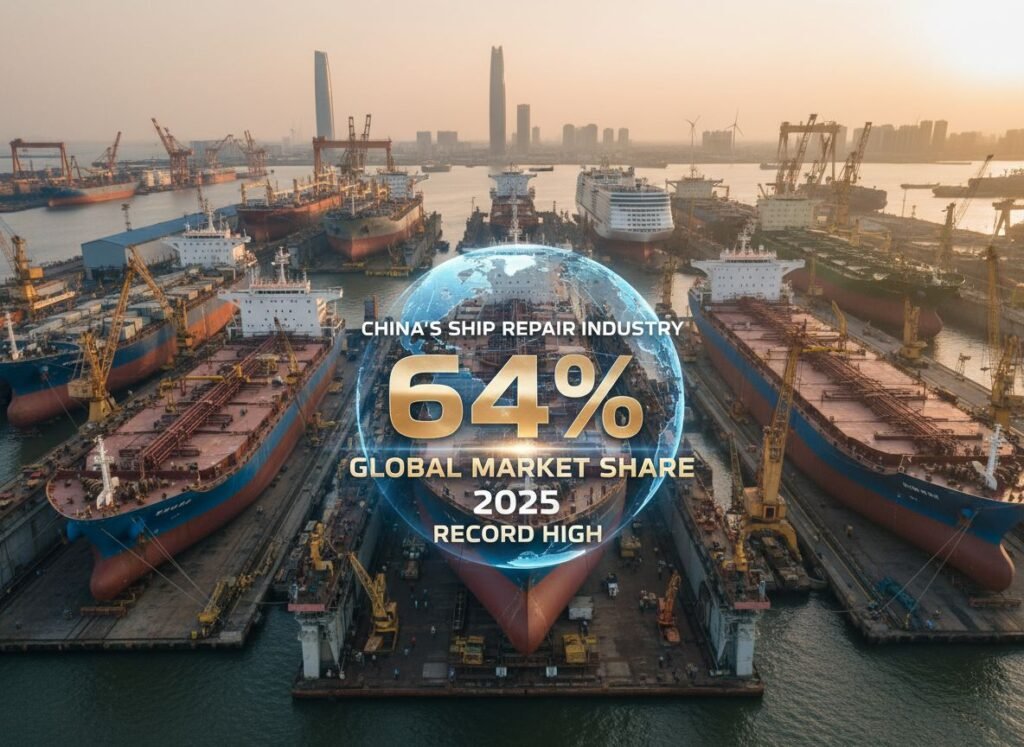
Shipyards in South Korea and China are reporting near-capacity workloads, pushing delivery dates for new orders into 2027 and 2028. This scarcity has created a “buy now or wait years” mentality among top-tier operators.
Strategic Investments and Recent Commercial Orders
The current wave of contracts highlights how diverse vessel types are evolving to meet specific regional and environmental needs. Recent major developments include:
-
DHT Holdings: Capitalizing on projected demand for long-haul energy transport, DHT has returned to South Korea’s Hanwha Ocean to add another Very Large Crude Carrier (VLCC) to its Antelope Class series. Scheduled for delivery in August 2028, this high-specification 282,000 dwt tanker focuses on advanced fuel economics and reduced emission profiles for the crude oil sector.
-
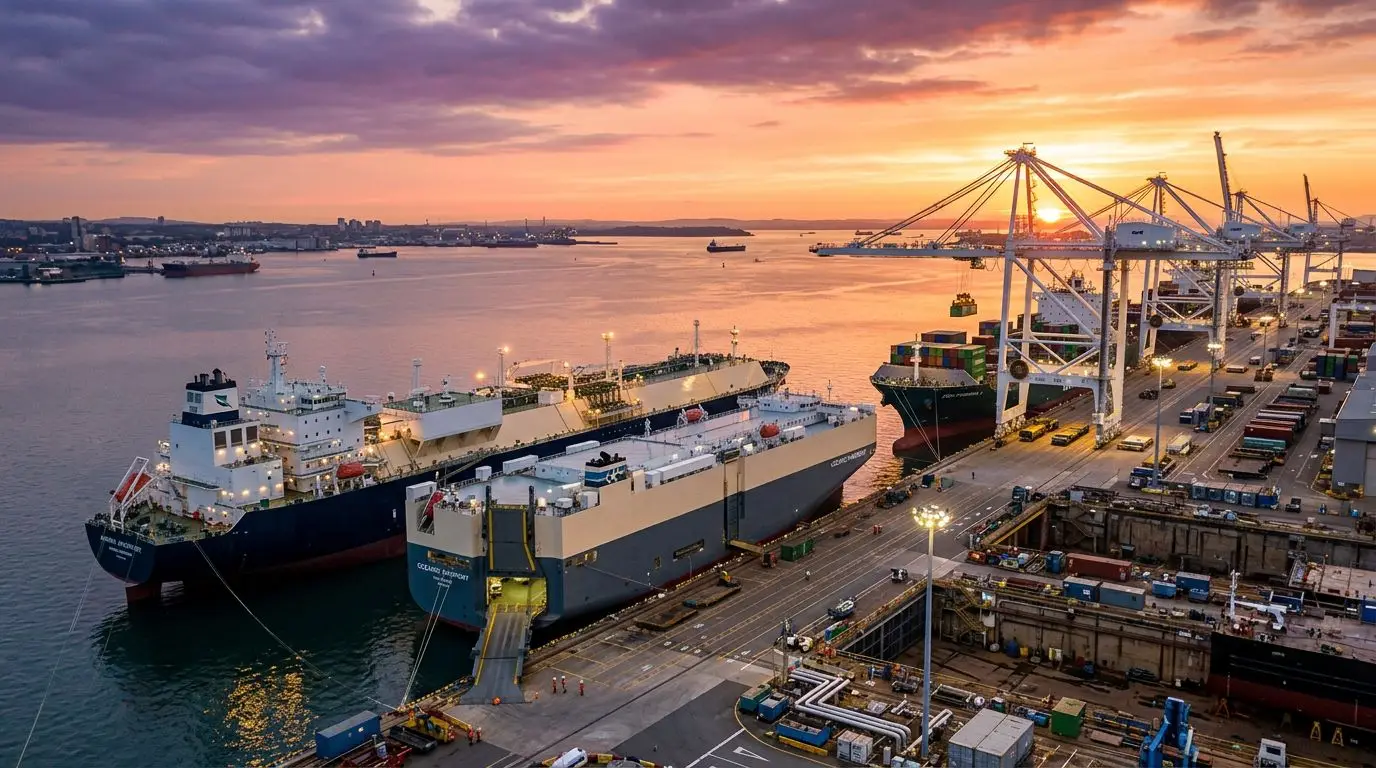
“K” Line: Targeting European short-sea markets, the company has signed contracts with China Merchants Jinling Shipyard (Nanjing) for four 1,380-vehicle capacity LNG dual-fuel car carriers. Operating under its European subsidiary KESS, these vessels are tailored to handle frequent, small-lot cargo transport while navigating strict port size restrictions.
-
Global Ship Lease (GSL): Expanding its footprint in the mid-sized charter market, GSL has agreed to contracts for 10 mid-size, ultra-high-reefer, wide-beam containerships for an aggregate purchase price of approximately $917 million. Scheduled for delivery between Q4 2028 and Q1 2030, all 10 assets have already been fixed on multi-year charters to mitigate downside risk.
A consistent theme across these orders is the integration of dual-fuel engines, which allow operators to switch between traditional fuel and cleaner alternatives. These alternative fuel investments are no longer experimental; they are becoming the baseline for new construction. By opting for LNG-fuelled tonnage, “K” Line and others are mitigating the risk of technology lock-in, where a ship becomes obsolete before its mortgage is paid off because it cannot run on future fuels.
| Owner | Vessel Type / Quantity | Shipyard | Key Specifications / Features | Delivery Window |
| DHT Holdings | 1 x 282,000 dwt VLCC | Hanwha Ocean (South Korea) | High-spec Antelope Class sistership; advanced fuel economics; IMO Tier III compliant. | August 2028 |
| “K” Line | 4 x 1,380-vehicle Car Carriers | China Merchants Jinling (China) | LNG dual-fuel; ME-GI high-pressure engines; vacuum-insulated tanks; 60-ton stern ramps. | 2028 onward |
| Global Ship Lease | 10 x Mid-size Containerships | TBD | Wide-beam; ultra-high-reefer capacity; contracted on average 6.7-year charters. | Q4 2028 – Q1 2030 |
Operational Shifts and Regulatory Pressure
The transition to greener ships has a profound impact on daily operations and financial planning. For shipowners, the shift to eco-friendly ship technology means managing a more complex technical environment. Maintenance schedules must adapt to high-pressure LNG systems, and crew training must be upgraded to handle new propulsion technologies safely.
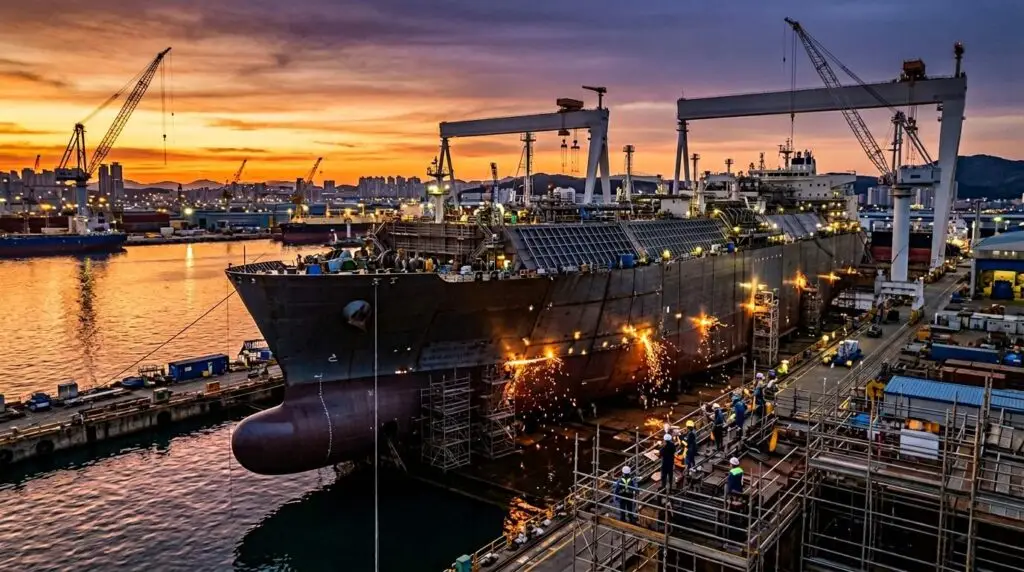
From a financial perspective, upfront CapEx is steep for these newbuilds compared to previous generations. However, the long-term savings in fuel consumption and the securing of environmental compliance to avoid carbon penalties—such as those imposed by the EU Emissions Trading System (EU ETS)—provide a clear commercial incentive.
Commercial Insight: A modern, low-emission fleet allows shipowners to command premium charter rates and secure longer-term contracts from retailers and energy majors demanding “green corridors” to satisfy corporate ESG metrics.
Navigating Future Bottlenecks and Commercial Risks
The industry faces several hurdles that could slow this momentum. The most immediate bottleneck is the supply of carbon-neutral fuels. While the dual-fuel ships being ordered today are technically ready for alternative fuels, the global infrastructure for bunkering green methanol or ammonia is still in its infancy. Owners are placing a massive bet that the fuel supply chain will catch up to the shipbuilding technology by the time these vessels hit the water.
Rising costs for raw materials and labor in major shipbuilding hubs like South Korea and China are also driving up contract prices. Steel prices remain volatile, and specialized components for eco-friendly propulsion systems are vulnerable to global supply chain disruptions. Shipowners must monitor these inflationary pressures closely, as the uncertain market outlook refers not just to trade volumes, but to the cost of the assets needed to facilitate that trade.
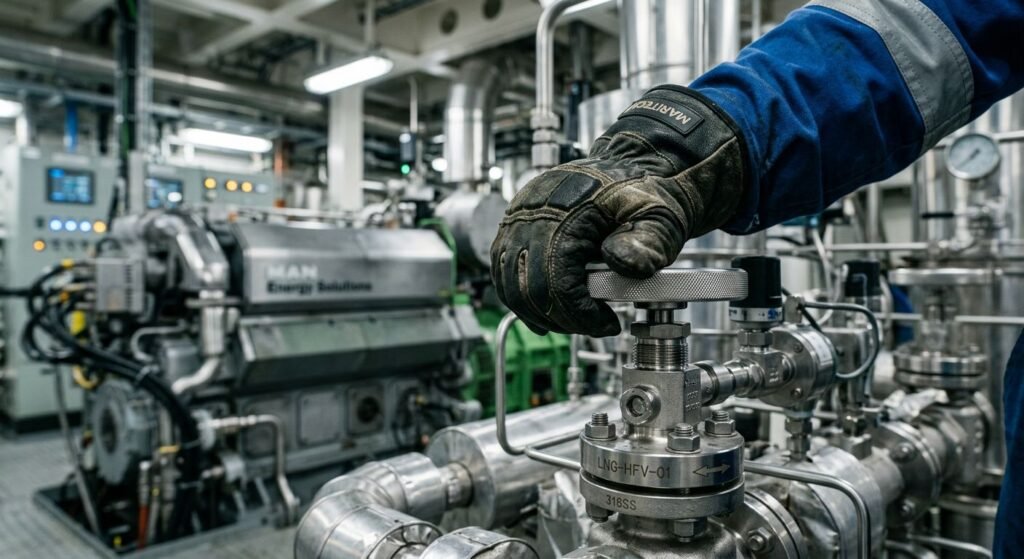
High-tech vessels are now ordered
Ultimately, the current surge in shipbuilding activity confirms that the maritime industry is committed to a high-tech, low-carbon future. The strategic ordering seen from DHT, “K” Line, and Global Ship Lease demonstrates that fleet renewal is no longer optional; it is a prerequisite for survival in a regulated global market. As global shipbuilding market trends continue to favor LNG-fuelled vessels and high-efficiency designs, the gap between the industry’s leaders and laggards will only widen. For those willing to invest now, the reward is a future-proof fleet ready to navigate the complexities of the 2030s and beyond.
Data & Sources
-
International Maritime Organisation (IMO) Emissions Framework