
IMO Adopts MASS Code: A New Era for Autonomous Shipping and Global Regulation
The International Maritime Organisation (IMO) has finalised a pivotal regulatory framework that will fundamentally change how technology interacts with the high seas.
During the Maritime Safety Committee MSC 111 session in London, delegates officially adopted the IMO MASS Code.
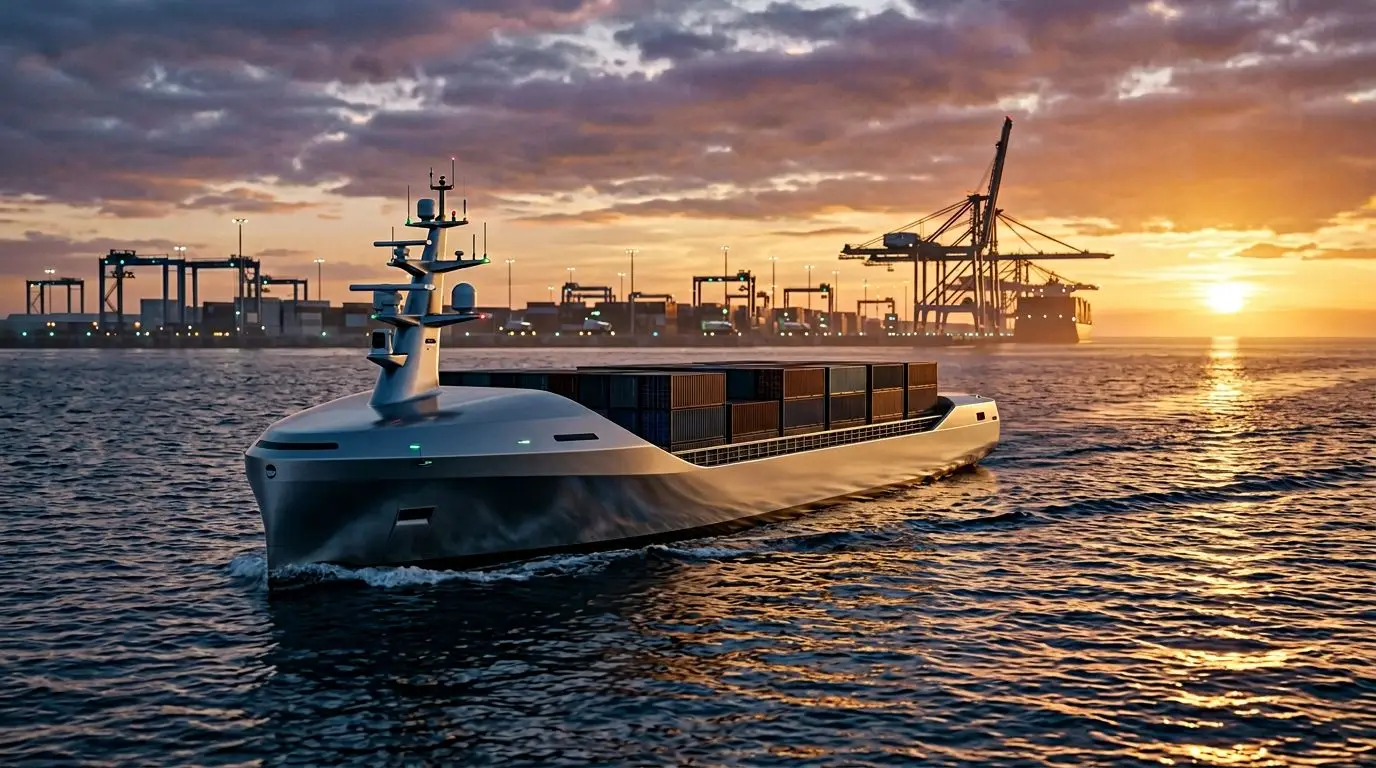
This new international standard for Maritime Autonomous Surface Ships (MASS) is scheduled to take effect on July 1, 2026. By establishing a unified set of rules, the IMO aims to ensure that the rapid transition toward automation does not compromise the safety of life, cargo, or the marine environment.
Setting the Standard with the IMO MASS Code
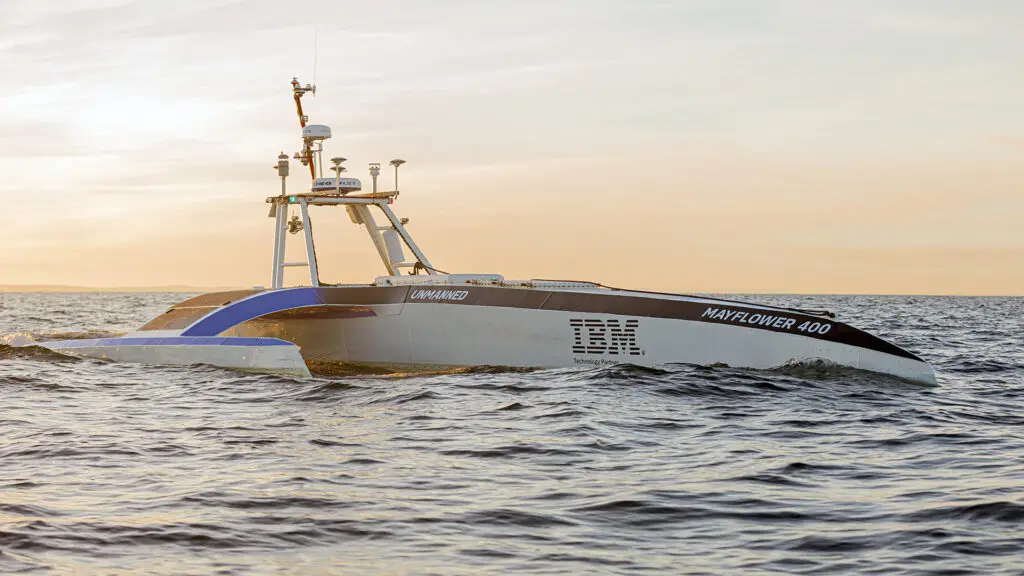
The drive toward autonomous vessel regulations is rooted in the industry’s need for greater operational efficiency and a reduction in human-factor-related accidents. For years, individual tech firms and innovative shipbuilders have trialed autonomous systems in isolated corridors, but the lack of a global legal structure created significant commercial uncertainty. The IMO MASS Code provides this missing piece, offering a goal-based maritime security framework that moves away from rigid, prescriptive rules. Instead, it focuses on high-level safety outcomes, allowing technology to evolve as long as it meets or exceeds the safety levels of traditional crewed ships.
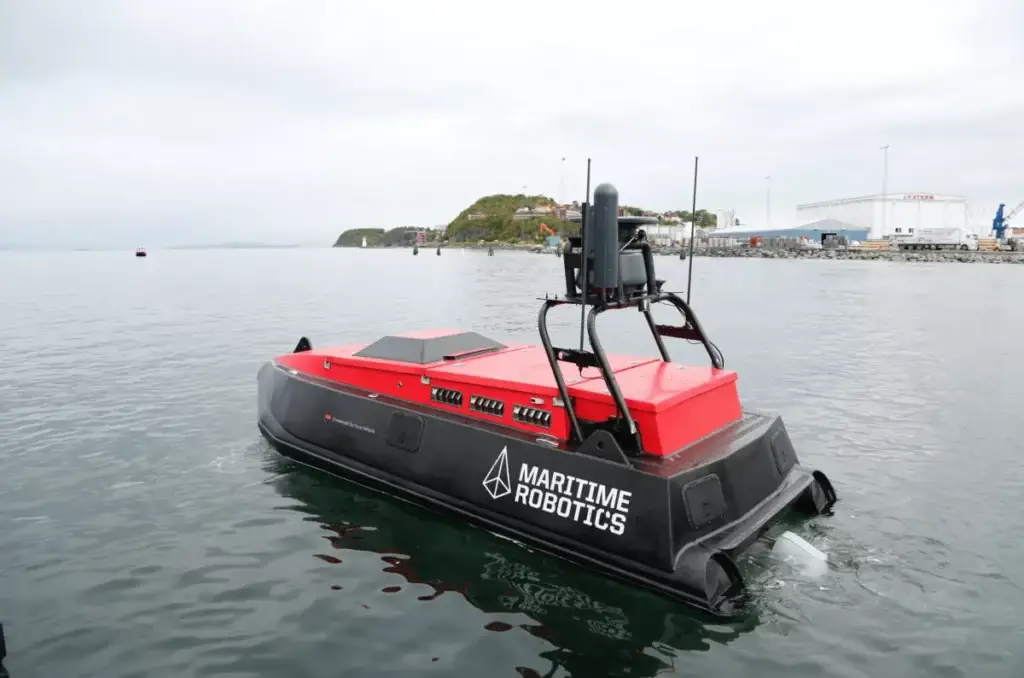
The decision at MSC 111 marks the end of a long scoping exercise that began in 2021. This process reviewed dozens of existing treaties—including SOLAS (Safety of Life at Sea) and STCW (Standards of Training, Certification, and Watchkeeping)—to determine how they apply to ships with varying degrees of autonomy.
The resulting code will initially be non-mandatory, serving as a voluntary standard that allows member states and shipowners to gather real-world data during an “Experience-Building Phase.” This cautious approach ensures that the eventual mandatory version of the code is grounded in practical operational evidence.
Operational Shifts and Crewless Ship Safety Standards
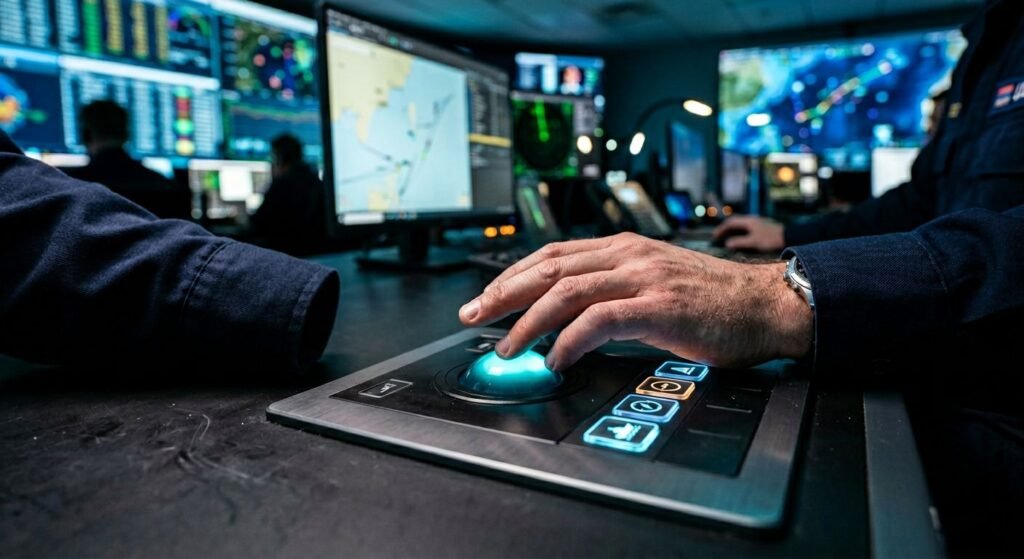
The introduction of crewless ship safety standards will require a significant overhaul of how shipping companies manage their assets. Shipowners must now pivot from viewing automation as an experimental niche to a core part of their technical compliance strategy. Under the new remote-controlled vessel framework, the definition of a “seafarer” or “master” is being expanded to include operators stationed at shore-based Remote Operations Centres (ROCs).
Key operational changes driven by this new framework include:
– Specialised training requirements for shore-based personnel to ensure they possess the technical and situational awareness equivalent to an on-board officer.
– Mandatory integration of advanced sensor suites and redundant communication links to prevent “lost-link” scenarios in busy shipping lanes.
– Rigorous cybersecurity protocols to protect autonomous navigation systems from external interference or hijacking.
– Updated emergency response procedures that account for the absence of a physical crew to fight fires or manage localised mechanical failures.
For charterers and logistics providers, these changes offer the potential for 24/7 operations and more precise arrival windows. However, the immediate impact includes a spike in technical compliance costs. Insurance providers are also closely monitoring these developments, as the risk profile shifts from human error on the bridge to software failure or data latency issues. Establishing liability in the event of a collision involving an autonomous ship remains one of the most complex legal hurdles for the industry to clear.
Future Outlook and Commercial Challenges
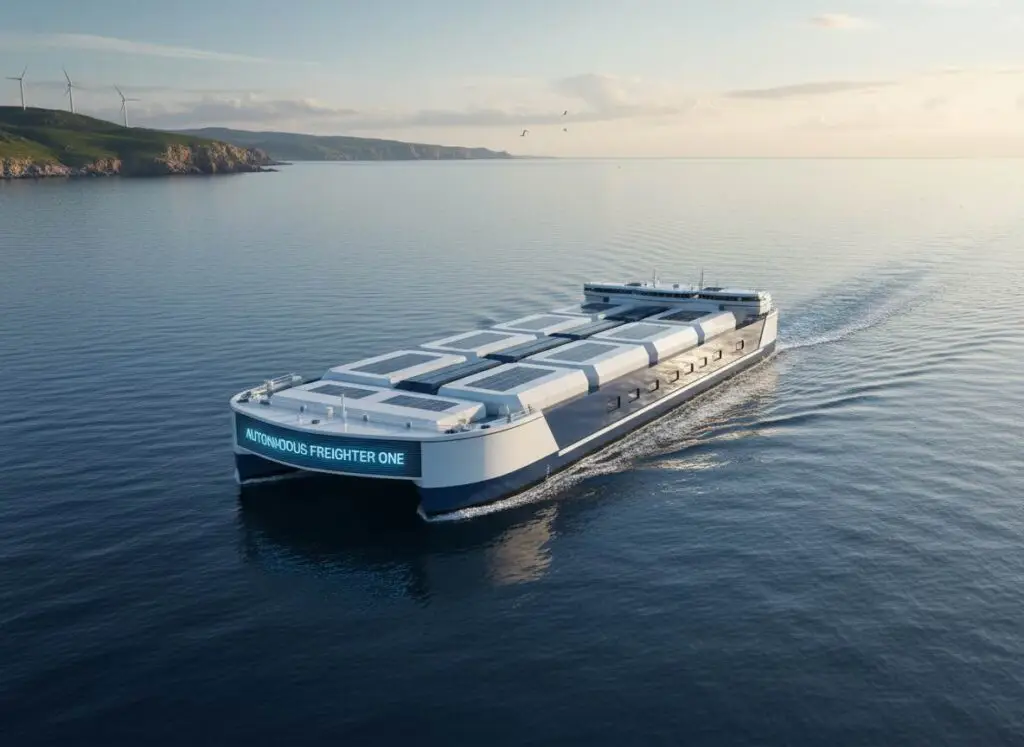
Looking ahead, the industry faces a structured but challenging timeline. Following the July 2026 effective date, the IMO plans to move toward a mandatory MASS Code by 2028, with full enforcement expected by 2032. The immediate next step for the maritime sector is the development of the “Experience-Building Phase” (EBP) framework, which will be discussed at MSC 112 in late 2026. This phase will be critical for identifying technical bottlenecks, such as the limits of current satellite bandwidth and the reliability of AI-driven collision avoidance systems in heavy weather.
The biggest commercial risk over the coming months is the potential for a “regulatory patchwork.” If major flag states adopt different interpretations of the voluntary code, shipowners may find themselves unable to operate autonomous vessels on international routes due to conflicting port state requirements. Furthermore, the transition raises social and labour concerns. While the code emphasises that human accountability remains at the core of maritime operations, the long-term impact on traditional seafaring careers cannot be ignored.
The industry must balance the cost-saving benefits of automation with the need to maintain a skilled workforce capable of intervening when automated systems fail.
IMO MASS Code
The adoption of the IMO MASS Code represents a definitive shift from maritime tradition to a technology-integrated future. By providing a clear roadmap for autonomous and remotely operated ships, the IMO has given the industry the green light to invest in the next generation of global trade assets. Although the journey toward fully crewless international shipping remains lengthy, the framework adopted at MSC 111 guarantees that, once such ships are in operation, they will adhere to a worldwide standard of safety and accountability.
Data & Sources
International Maritime Organization (IMO) – Official MSC 111 Summary Reports
– Lloyd’s Register (LR) – Global Maritime Regulatory Outlook
– International Chamber of Shipping (ICS) – Guidelines on Autonomous Shipping Trials