

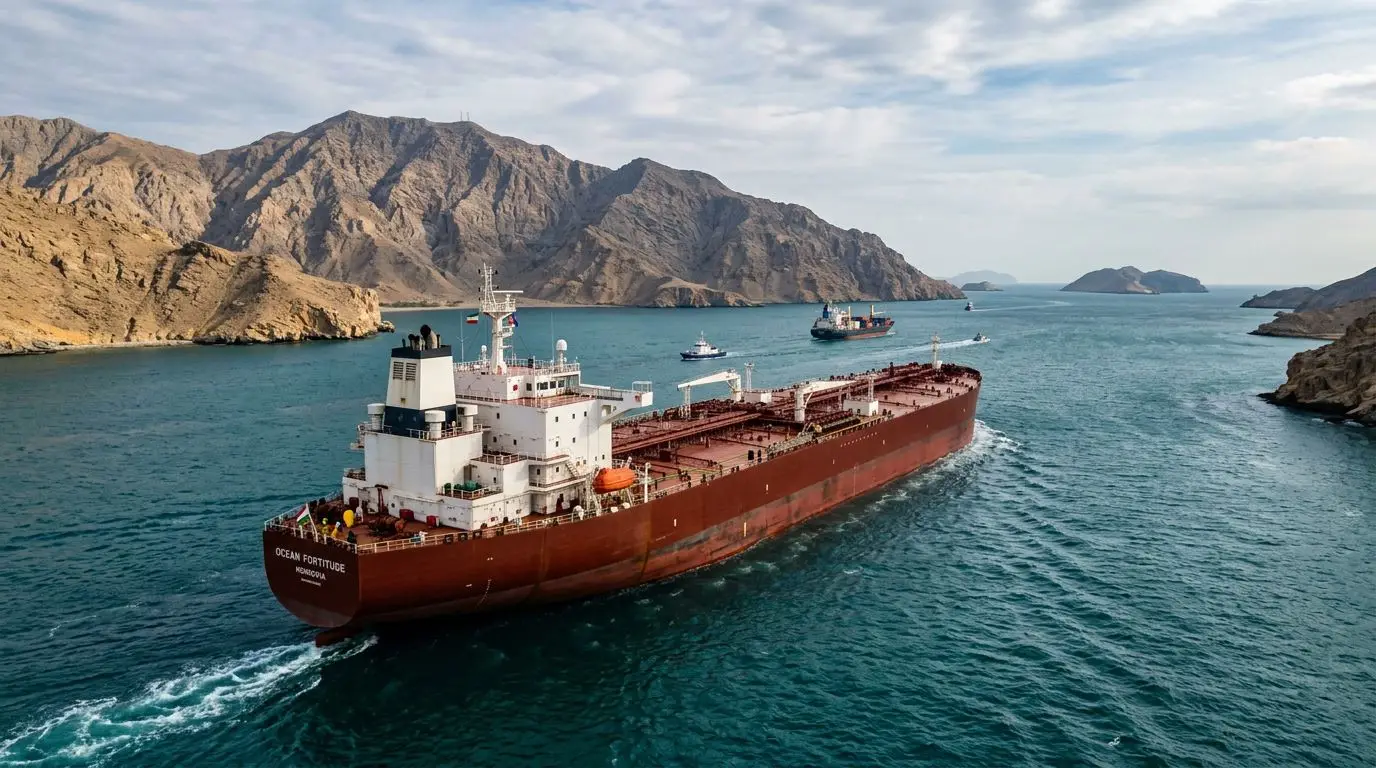
The global maritime community is currently witnessing a historic shift as diplomatic and military efforts converge to restore order to one of the world’s most vital waterways. After weeks of intense conflict, the prospect of the Strait of Hormuz reopening has moved from a distant hope to a tangible reality.
Following the conclusion of Operation Epic Fury, a decisive military campaign aimed at dismantling threats to navigation, a fragile but significant two-week US-Iran naval ceasefire has been established. This pause in hostilities provides a critical window for diplomacy and the restoration of global energy flows.
The Significance of Operation Epic Fury
Operation Epic Fury was launched with the primary goal of securing the Persian Gulf and ensuring that international law regarding transit passage was upheld. Over the course of 38 days, the operation focused on neutralising assets that had enforced a blockade on neutral shipping. According to the White House reports, the mission successfully met its core objectives, including the significant degradation of naval capabilities used to harass merchant vessels.
By eliminating these threats, the coalition forces have paved the way for the restoration of an international shipping corridor.
This is not merely a military victory but a necessary precursor to stabilising global markets that have reeled from supply shocks and soaring insurance premiums. The transition from active combat to a negotiated ceasefire marks the beginning of a complex process to normalise maritime trade.
Establishing New Persian Gulf Security Protocols
As the region moves toward a more stable footing, the focus has shifted to implementing robust Persian Gulf security protocols. The cessation of kinetic operations does not mean a return to the 2025 status quo; instead, it requires a new safety framework. This includes enhanced monitoring, use of the IMO-adopted Traffic Separation Scheme (TSS), and heightened awareness among all crews.
For those currently navigating maritime careers or challenges, the operational landscape remains demanding. The psychological and physical toll on the 20,000 seafarers previously stranded in the Gulf underscores the importance of these new safety measures. Professionalism on the bridge and in the engine room is more critical than ever as vessels begin to move through waters still being cleared of hazards.
Key elements of the new security framework include: – Strict adherence to updated MARSEC/ISPS Level 3 requirements to mitigate remaining risks.
– Close coordination with the U.S. Fifth Fleet and the United Kingdom Maritime Trade Office (UKMTO).
– Vigilant monitoring for GNSS interference and electronic spoofing, which remain prevalent in the area.
– Implementation of standardised “transit passage” procedures to ensure clear communication between merchant ships and regional naval forces.
Challenges in Maritime Transit Coordination
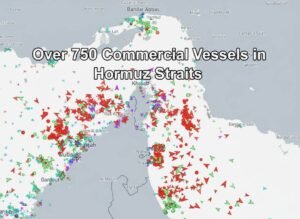
The Strait of Hormuz reopening is not a simple “flick of a switch.” It involves a high level of maritime transit coordination between various international stakeholders. While the ceasefire has allowed for a limited number of vessels to begin moving—reportedly between 10 and 15 per day—the backlog of ships waiting to exit the Persian Gulf is substantial.
The coordination process is currently being managed through a mix of diplomatic channels in Pakistan and tactical communications at sea.
Iran’s proposal for a “protocol for secure passage” involves vetting cargo and crew lists, a move that has met with resistance from Western powers who insist on the principles of “innocent passage” as defined by UNCLOS. Reconciling these different legal and operational interpretations is the primary hurdle facing negotiators during this two-week truce.
Global Energy Supply Recovery and Economic Impact
The most immediate benefit of the ceasefire and the pending reopening is the potential for a recovery in the global energy supply. With roughly 20% of the world’s oil and LNG passing through the strait, the blockade led to a “fear premium” that added high costs to every barrel. Markets have already reacted positively to the news of the truce, with Brent crude prices declining sharply as traders anticipate the return of regular shipments.
However, full recovery depends on the ceasefire holding beyond the initial 14-day period. Shipping giants like Maersk continue to take a cautious stance, emphasising that while the ceasefire creates opportunities, it does not yet provide full maritime certainty. The resumption of routine trade will depend entirely on whether the international community can guarantee that the strait remains a neutral corridor, free from the threat of seizure or attack.
Conclusion
The conclusion of Operation Epic Fury and the announcement of a temporary ceasefire have provided a much-needed reprieve for the maritime industry. The path to a full reopening of the Strait of Hormuz remains fraught with diplomatic and operational obstacles, but the current progress marks the first major step toward regional stability in 2026.
By establishing clear security protocols and fostering international coordination, the goal of restoring the world’s most critical energy chokepoint is finally within reach. The coming weeks will determine whether this pause in conflict can be transformed into a lasting peace that secures freedom of navigation for all.