

Ammonia and Energy Harvesting: Moving from Concept to Commercial Reality
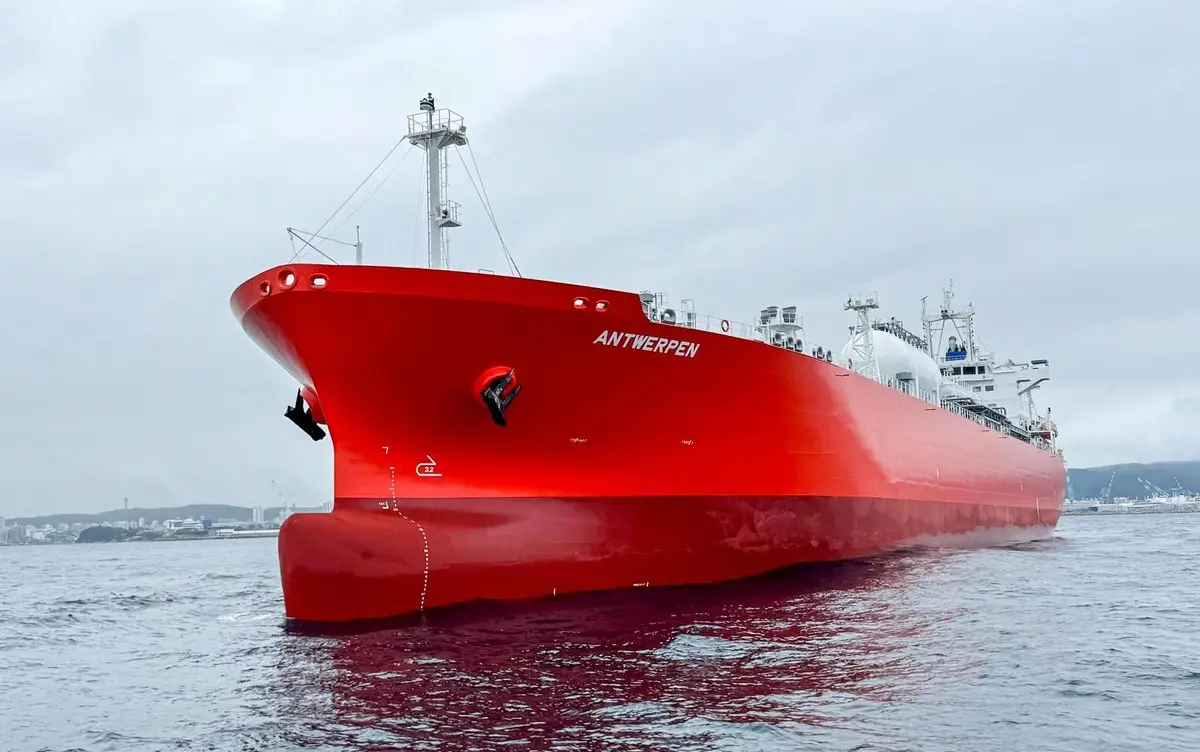
The maritime sector has crossed a major threshold. Ammonia-powered ships are no longer just renderings on a designer’s desk—they are moving into active service. EXMAR’s latest delivery of a specialised ammonia carrier confirms that the infrastructure for zero-carbon liquid fuels is finally hitting the water.
Simultaneously, RINA’s Approval in Principle (AiP) for an energy-harvesting vessel concept proves that shipowners are looking beyond just fuel, exploring radical efficiency gains to bolster the bottom line.
These two developments signal a shift: the industry is graduating from pilot programs to tangible, commercial-grade decarbonization.

Ammonia Powered vessel
The Regulatory Pressure Cooker
The IMO’s push for net-zero GHG emissions by 2050 is the primary force behind this hardware shift. With strict interim targets for 2030 and 2040, owners can no longer wait for “perfect” technology. Between the Sea Cargo Charter and increasing pressure from financiers, transparency is mandatory.
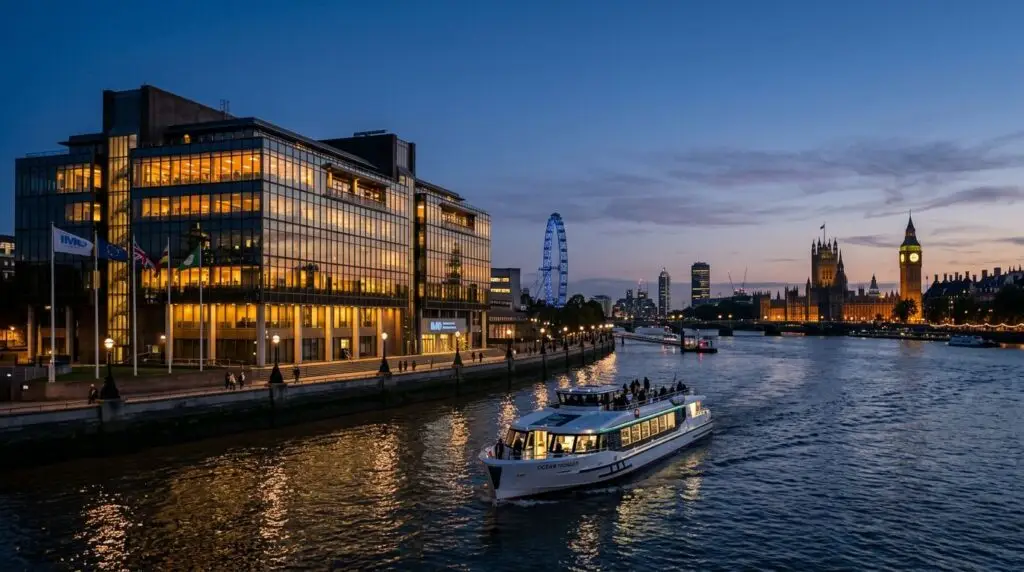
IMO Net-Zero Framework: Navigating the 2026 Adoption Delay
While LNG acted as the primary bridge, its carbon content leaves it short of long-term climate goals. Green ammonia has vaulted to the front of the pack because it offers a carbon-free path. The commercial logic is simple: secure a fleet capable of running on ammonia today, or face insurmountable carbon penalties tomorrow.
Operational Realities for Shipowners
Transitioning to ammonia-ready assets is not a drop-in upgrade. It is a fundamental shift in technical management.
-
Safety Protocols: Ammonia is highly toxic. Operating these ships demands advanced vapour management systems and stringent emergency shutdown procedures during bunkering.
-
Crew Competency: Seafarers require specialised training to handle these assets safely.
-
Logistics & Bunkering: Port authorities are scrambling to build out bunker infrastructure. Meanwhile, charterers are adjusting to new energy densities that influence vessel range and cargo intake.
-
Insurance: Underwriters are still recalibrating risk models as they get to grips with the safety profiles of ammonia-fueled tonnage.
Engineering Efficiency: The Role of Energy Harvesting
While fuel choice dominates the conversation, RINA’s recent AiP for an energy-harvesting concept highlights the other side of the ledger: demand reduction. By capturing ambient energy—wind, solar, or thermal gradients—to supplement auxiliary systems, owners can trim their overall fuel consumption.
Pairing these harvesting technologies with ammonia-powered engines is a smart play. It lowers the total volume of expensive, scarce green fuel required per voyage, effectively shielding the owner from price volatility.
The Next 24 Months
We are currently in a period of intense observation. While engine technology for ammonia is ready for prime time, global supply chains for green ammonia remain tight and costly.
Shipowners should keep a close watch on upcoming IMO MEPC meetings, where global carbon pricing and fuel standards will likely tighten. The next two years will be the “proof of concept” phase, as the first commercial ammonia-fueled ships provide the real-world operational data needed to scale these assets across the global fleet. The industry has set its course; now, it is time to prove the economics.