
Suez Canal Flexes Pricing Power Amid Energy Trade Shift
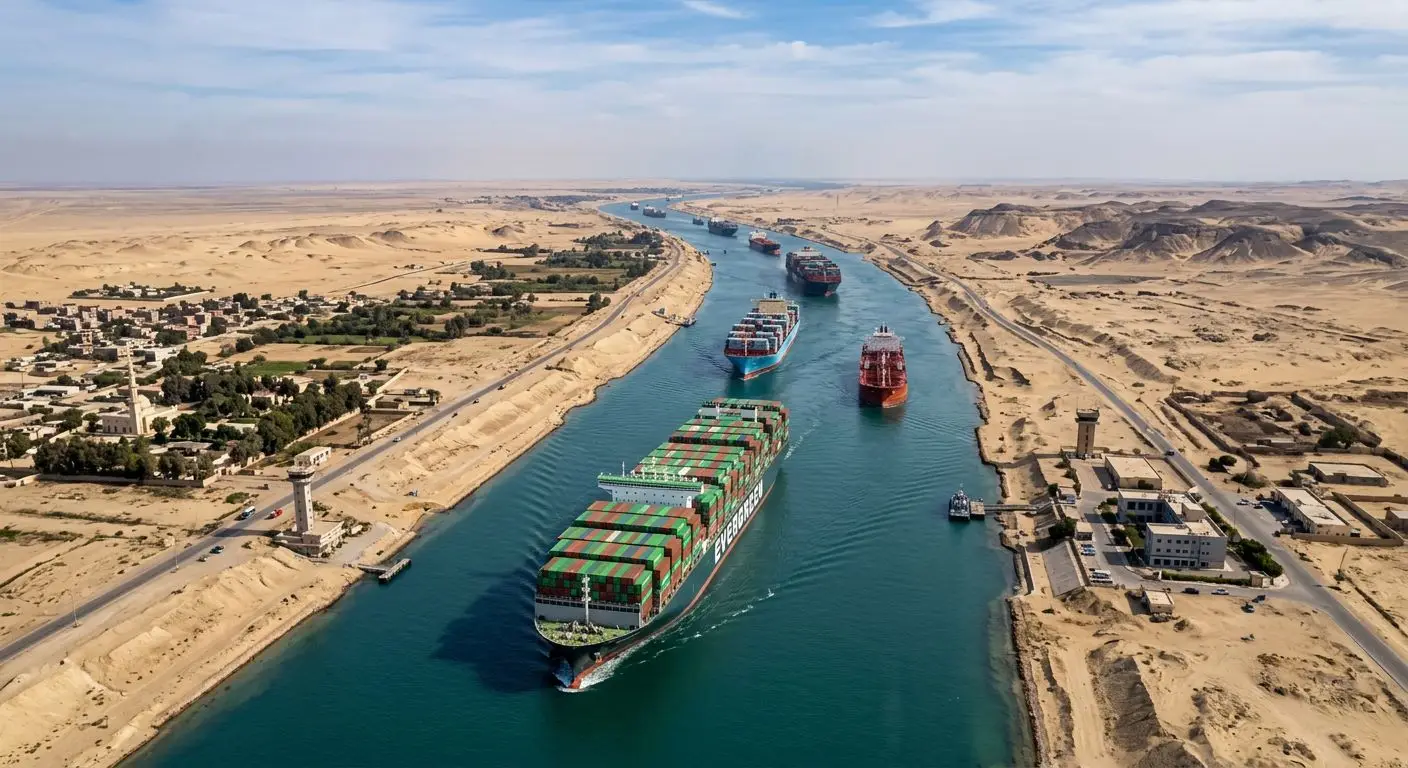
The Suez Canal Authority (SCA) is leaning into its position as a critical global energy artery, leveraging diverted trade flows to drive record revenues. With the Strait of Hormuz increasingly bypassed due to heightened security risks, the SCA has confirmed a new round of transit surcharges, effective July 15. These adjustments target all major vessel classes traversing the Red Sea-Mediterranean corridor.
Revenue Surge and Commercial Drivers
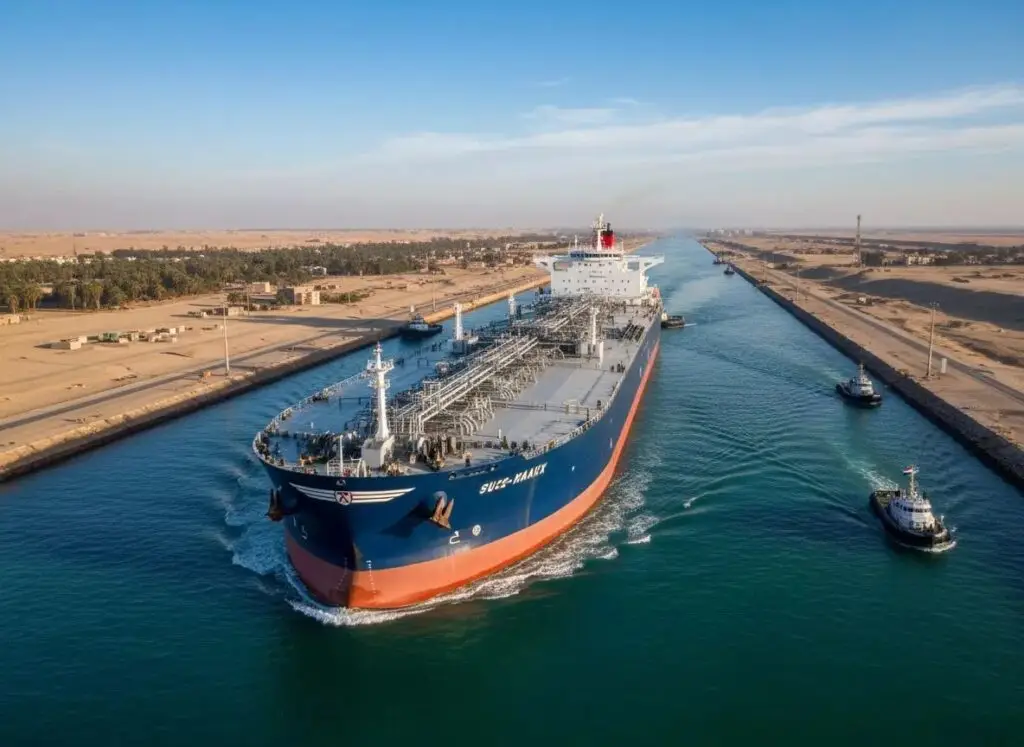
The decision to hike fees comes on the back of a 27% year-on-year revenue jump, bringing revenue to roughly $419 million in a single month. This financial momentum is largely fueled by a 28% spike in tanker traffic, with 529 vessels transiting in April alone.
The SCA is capitalising on a fundamental supply-and-demand imbalance. As naval tensions render the Strait of Hormuz a high-risk zone, owners are prioritizing the predictability of the Suez route, even at a higher price point. For the Egyptian government, these tolls serve as a vital source of foreign currency reserves, while the authority justifies the increases by citing the steep maintenance costs of dredging and infrastructure upgrades required for today’s ultra-large tonnage.
The Operational Burden on Charterers
The July 15 surcharge adds another layer of pressure to voyage accounts already strained by volatile bunker prices and rising insurance premiums. Key operational shifts include:
-
Spot Rate Adjustments: Operators are baking the new surcharges directly into spot rates, often shifting the cost to cargo interests via specific canal transit clauses.
-
Route Optimization: Technical departments are running tighter margins, constantly weighing the Suez toll against the time and fuel costs of rounding the Cape of Good Hope.
-
Freight Rate Transparency: Charterers are pushing for “all-in” freight rates to hedge against mid-voyage toll adjustments.
-
Administrative Friction: Updated electronic filings for canal agents have introduced extra lead time for pre-transit clearance.
Bottlenecks and Risk Assessment
While the Suez Canal has become the primary conduit for Middle Eastern crude bound for European refineries, its dominance comes with physical constraints. The canal’s narrow transit sections mean that record-high traffic volumes inevitably increase the risk of congestion or, in extreme cases, grounding.
For the remainder of 2026, industry stakeholders are monitoring two major variables:
-
Waiting Times: Transit delays at Port Said and Suez are the primary bottleneck. A surge in vessel counts increases the likelihood of queue-induced delays.
-
Infrastructure Funding: Further surcharges remain on the table to fund the ongoing expansion of the canal’s “dual-lane” sections.
The maritime sector currently faces a landscape where the most efficient route is also the most expensive. As long as geopolitical instability dictates trade lanes, the Suez Canal will remain a high-cost, high-priority necessity for global energy security.
